Buy palba.eu ?
We are moving the project
palba.eu .
Are you interested in purchasing the domain
palba.eu ?
domain@kv-gmbh.de · 0541-91531010
Buy palba.eu ?
What does 'leur' and 'lui' mean?
In French, 'leur' is a pronoun that means 'their' or 'them' when referring to a group of people or things. It is used to indicate possession or indirect object. On the other hand, 'lui' is a pronoun that means 'him' or 'her' when referring to a singular person. It is used to indicate possession or as an indirect object. **
How is "eux" or "leur" used in French?
"Eux" and "leur" are both pronouns used in French to refer to people or things. "Eux" is used as a direct object pronoun to replace a group of people or things, while "leur" is used as an indirect object pronoun to replace a group of people. For example, "Je les ai vus" (I saw them) uses "les" as a direct object pronoun, while "Je leur ai parlé" (I spoke to them) uses "leur" as an indirect object pronoun. **


Similar search terms for Leur
Top-Angebote
Products related to Leur:
-
Daily Deals Depot Cherry Crush Plunge Crop Top For Women Retro Summer Beachwear white xlExperience the playful confidence of early2000s fashion with a flattering Y2K crop top designed to turn heads wherever you go. This charming cherry print top combines sweet vintageinspired style with a daring plunge neckline for the perfect balance...39,97 $*Shipping: 0,00 $Secure redirect to the provider
-
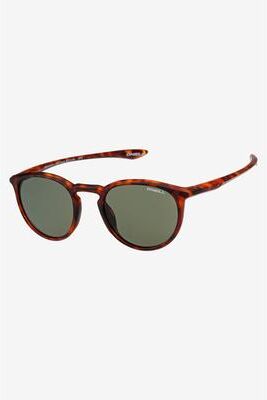
O'Neill 2.0 Sunglasses in TortoiseChannel timeless surf cool with the O'Neill Cloudbreak 2.0 polarized sunglasses, featuring a classic round eye shape paired with a vintage keyhole bridge and sleek beveled streamlined temples. This unisex retro-inspired silhouette brings effortless...69,00 $*Shipping: 0,00 $Secure redirect to the provider
-
O'Neill 2.0 Sunglasses in Matte BlackEffortlessly cool, the O'Neill Coastline 2.0 men's polarized sunglasses feature a subtle square front with a vintage keyhole bridge that gives this frame a refined heritage edge. Versatile enough for everyday wear yet distinctive enough to make a...89,00 $*Shipping: 0,00 $Secure redirect to the provider
-
Daily Deals Depot Cherry Crush Plunge Crop Top For Women Retro Summer Beachwear white mExperience the playful confidence of early2000s fashion with a flattering Y2K crop top designed to turn heads wherever you go. This charming cherry print top combines sweet vintageinspired style with a daring plunge neckline for the perfect balance...39,97 $*Shipping: 0,00 $Secure redirect to the provider



-
How are the object pronouns lui and leur used?
The object pronouns lui and leur are used to replace indirect objects in French. Lui is used to replace singular indirect objects, while leur is used to replace plural indirect objects. These pronouns come before the verb in a sentence and agree in gender and number with the noun they are replacing. For example, "Je lui parle" means "I am talking to him/her" and "Je leur donne des cadeaux" means "I am giving them gifts." **
-
'I don't understand the use of lui and leur?'
In French, "lui" and "leur" are both used as indirect object pronouns to replace nouns that are the recipients of the action. "Lui" is used to refer to a singular masculine or feminine noun, while "leur" is used to refer to a plural noun. For example, "Je lui ai donné le livre" means "I gave him/her the book," and "Je leur ai donné les livres" means "I gave them the books." It's important to remember that these pronouns must agree in gender and number with the noun they are replacing. **
-
What is the difference between ses, leur and leurs?
Ses, leur, and leurs are all possessive adjectives in French, but they are used in different contexts. "Ses" is used to indicate possession by a singular third person, "leur" is used for a singular third person, and "leurs" is used for plural third person. For example, "ses chaussures" means "his/her shoes," "leur maison" means "their house," and "leurs voitures" means "their cars." It's important to pay attention to the number and gender of the noun being possessed in order to choose the correct possessive adjective. **
-
When do I use leur and leurs in French?
You use "leur" when you want to indicate possession or belonging for a singular noun, and "leurs" when you want to indicate possession or belonging for plural nouns. For example, "leur maison" means "their house" (singular), and "leurs voitures" means "their cars" (plural). **


How can one recognize when to use "leur" or "eux"?
One can recognize when to use "leur" or "eux" by understanding their different functions in a sentence. "Leur" is a pronoun used to indicate possession or indirect object, while "eux" is a pronoun used as a subject or direct object. Therefore, if the pronoun is referring to possession or an indirect object, "leur" should be used. If the pronoun is referring to a subject or direct object, "eux" should be used. **
What is the difference between leur and leurs in French?
In French, "leur" is used as a singular possessive pronoun meaning "their" when referring to one person or thing. On the other hand, "leurs" is the plural form of "leur" and is used when referring to multiple people or things. So, the main difference between "leur" and "leurs" is that "leur" is singular and "leurs" is plural. **
Top-Angebote
Products related to Leur:
-
Inspire Essentials ShadePaw UV Protection Dog Sunglasses ShadePaw UV Protection Dog SunglassesProtect your pets eyes while adding a stylish touch to every outdoor adventure. These dog sunglasses are designed to help shield your pets eyes from sunlight wind and dust during walks rides and outdoor activities. The lightweight soft frame and...34,98 $*Shipping: 0,00 $Secure redirect to the provider
-
Uplift Treasures Adjustable UV Protection Dog Sunglasses Adjustable UV Protection Dog SunglassesProduct Description: Protect your pets eyes in style with these adjustable dog sunglasses designed for small and medium breeds. Featuring UV protection, a soft comfortable frame, and windproof design, these pet goggles are perfect for outdoor walks,...75,97 $*Shipping: 0,00 $Secure redirect to the provider
-
Daily Deals Depot Cherry Crush Plunge Crop Top For Women Retro Summer Beachwear white xlExperience the playful confidence of early2000s fashion with a flattering Y2K crop top designed to turn heads wherever you go. This charming cherry print top combines sweet vintageinspired style with a daring plunge neckline for the perfect balance...39,97 $*Shipping: 0,00 $Secure redirect to the provider
-
O'Neill 2.0 Sunglasses in TortoiseChannel timeless surf cool with the O'Neill Cloudbreak 2.0 polarized sunglasses, featuring a classic round eye shape paired with a vintage keyhole bridge and sleek beveled streamlined temples. This unisex retro-inspired silhouette brings effortless...69,00 $*Shipping: 0,00 $Secure redirect to the provider
-
What does 'leur' and 'lui' mean?
In French, 'leur' is a pronoun that means 'their' or 'them' when referring to a group of people or things. It is used to indicate possession or indirect object. On the other hand, 'lui' is a pronoun that means 'him' or 'her' when referring to a singular person. It is used to indicate possession or as an indirect object. **
-
How is "eux" or "leur" used in French?
"Eux" and "leur" are both pronouns used in French to refer to people or things. "Eux" is used as a direct object pronoun to replace a group of people or things, while "leur" is used as an indirect object pronoun to replace a group of people. For example, "Je les ai vus" (I saw them) uses "les" as a direct object pronoun, while "Je leur ai parlé" (I spoke to them) uses "leur" as an indirect object pronoun. **
-
How are the object pronouns lui and leur used?
The object pronouns lui and leur are used to replace indirect objects in French. Lui is used to replace singular indirect objects, while leur is used to replace plural indirect objects. These pronouns come before the verb in a sentence and agree in gender and number with the noun they are replacing. For example, "Je lui parle" means "I am talking to him/her" and "Je leur donne des cadeaux" means "I am giving them gifts." **
-
'I don't understand the use of lui and leur?'
In French, "lui" and "leur" are both used as indirect object pronouns to replace nouns that are the recipients of the action. "Lui" is used to refer to a singular masculine or feminine noun, while "leur" is used to refer to a plural noun. For example, "Je lui ai donné le livre" means "I gave him/her the book," and "Je leur ai donné les livres" means "I gave them the books." It's important to remember that these pronouns must agree in gender and number with the noun they are replacing. **
Similar search terms for Leur
-
O'Neill 2.0 Sunglasses in Matte BlackEffortlessly cool, the O'Neill Coastline 2.0 men's polarized sunglasses feature a subtle square front with a vintage keyhole bridge that gives this frame a refined heritage edge. Versatile enough for everyday wear yet distinctive enough to make a...89,00 $*Shipping: 0,00 $Secure redirect to the provider
-
Daily Deals Depot Cherry Crush Plunge Crop Top For Women Retro Summer Beachwear white mExperience the playful confidence of early2000s fashion with a flattering Y2K crop top designed to turn heads wherever you go. This charming cherry print top combines sweet vintageinspired style with a daring plunge neckline for the perfect balance...39,97 $*Shipping: 0,00 $Secure redirect to the provider
-
Daily Deals Depot Cherry Crush Plunge Crop Top For Women Retro Summer Beachwear white xsExperience the playful confidence of early2000s fashion with a flattering Y2K crop top designed to turn heads wherever you go. This charming cherry print top combines sweet vintageinspired style with a daring plunge neckline for the perfect balance...39,97 $*Shipping: 0,00 $Secure redirect to the provider
-
Daily Deals Depot Cherry Crush Plunge Crop Top For Women Retro Summer Beachwear black lExperience the playful confidence of early2000s fashion with a flattering Y2K crop top designed to turn heads wherever you go. This charming cherry print top combines sweet vintageinspired style with a daring plunge neckline for the perfect balance...39,97 $*Shipping: 0,00 $Secure redirect to the provider
-
What is the difference between ses, leur and leurs?
Ses, leur, and leurs are all possessive adjectives in French, but they are used in different contexts. "Ses" is used to indicate possession by a singular third person, "leur" is used for a singular third person, and "leurs" is used for plural third person. For example, "ses chaussures" means "his/her shoes," "leur maison" means "their house," and "leurs voitures" means "their cars." It's important to pay attention to the number and gender of the noun being possessed in order to choose the correct possessive adjective. **
-
When do I use leur and leurs in French?
You use "leur" when you want to indicate possession or belonging for a singular noun, and "leurs" when you want to indicate possession or belonging for plural nouns. For example, "leur maison" means "their house" (singular), and "leurs voitures" means "their cars" (plural). **
-
How can one recognize when to use "leur" or "eux"?
One can recognize when to use "leur" or "eux" by understanding their different functions in a sentence. "Leur" is a pronoun used to indicate possession or indirect object, while "eux" is a pronoun used as a subject or direct object. Therefore, if the pronoun is referring to possession or an indirect object, "leur" should be used. If the pronoun is referring to a subject or direct object, "eux" should be used. **
-
What is the difference between leur and leurs in French?
In French, "leur" is used as a singular possessive pronoun meaning "their" when referring to one person or thing. On the other hand, "leurs" is the plural form of "leur" and is used when referring to multiple people or things. So, the main difference between "leur" and "leurs" is that "leur" is singular and "leurs" is plural. **
* All prices are inclusive of VAT and, if applicable, plus shipping costs. The offer information is based on the details provided by the respective shop and is updated through automated processes. Real-time updates do not occur, so deviations can occur in individual cases. ** Note: Parts of this content were created by AI.