Buy palba.eu ?
We are moving the project
palba.eu .
Are you interested in purchasing the domain
palba.eu ?
domain@kv-gmbh.de · 0541-91531010
Buy palba.eu ?
When is "arriver" and when is "venir" used?
"Arriver" is used to indicate the arrival of someone or something at a specific location, while "venir" is used to indicate the act of coming to a specific location. "Arriver" is often used to describe the arrival of a person or thing at a destination, while "venir" is used to describe the action of coming from one place to another. In general, "arriver" is used to describe the end point of a journey, while "venir" is used to describe the beginning of a journey. **
Why does venir become venues in the participe passé?
Venir becomes venues in the participe passé because it is an irregular verb in French. The past participle of venir is formed by adding -u for the singular masculine form, -ue for the singular feminine form, -us for the plural masculine form, and -ues for the plural feminine form. Therefore, the past participle of venir is venu for the singular masculine form, venue for the singular feminine form, venus for the plural masculine form, and venues for the plural feminine form. **


Similar search terms for Venir
Top-Angebote
Products related to Venir:
-
Inspire Essentials ShadePaw UV Protection Dog Sunglasses ShadePaw UV Protection Dog SunglassesProtect your pets eyes while adding a stylish touch to every outdoor adventure. These dog sunglasses are designed to help shield your pets eyes from sunlight wind and dust during walks rides and outdoor activities. The lightweight soft frame and...34,98 $*Shipping: 0,00 $Secure redirect to the provider
-
Uplift Treasures Adjustable UV Protection Dog Sunglasses Adjustable UV Protection Dog SunglassesProduct Description: Protect your pets eyes in style with these adjustable dog sunglasses designed for small and medium breeds. Featuring UV protection, a soft comfortable frame, and windproof design, these pet goggles are perfect for outdoor walks,...75,97 $*Shipping: 0,00 $Secure redirect to the provider
-
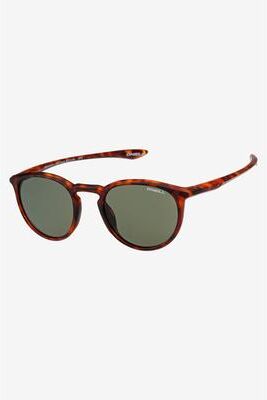
O'Neill 2.0 Sunglasses in TortoiseChannel timeless surf cool with the O'Neill Cloudbreak 2.0 polarized sunglasses, featuring a classic round eye shape paired with a vintage keyhole bridge and sleek beveled streamlined temples. This unisex retro-inspired silhouette brings effortless...69,00 $*Shipping: 0,00 $Secure redirect to the provider
-
Uplift Curations Tarde Porque No Queria Venir Cartoon Enamel Pin Funny Spanish Cat Brooch For Lapel, Backpack, Badge Jewelry Gift design cShow off your playful personality with this quirky cartoon enamel pin, featuring a humorous Tarde Porque No Queria Venir Spanish cat design thats sure to spark laughs. Perfect for cat lovers and fans of funny accessories, this funny lapel badge adds...40,00 $*Shipping: 0,00 $Secure redirect to the provider



-
What is the difference in the use of ir and venir?
The main difference between the use of "ir" and "venir" in Spanish is that "ir" is used to indicate movement towards a location, while "venir" is used to indicate movement towards the speaker's location. For example, "voy al parque" means "I am going to the park," indicating movement away from the speaker, while "vienes a mi casa" means "you are coming to my house," indicating movement towards the speaker. Additionally, "ir" is an irregular verb and its conjugation changes depending on the subject, while "venir" is a regular -ir verb and follows a more predictable conjugation pattern. **
-
How do you form "venir de faire" and "être en train de faire"?
"Venir de faire" is formed by conjugating the verb "venir" in the present tense followed by the preposition "de" and the infinitive of the verb you want to express has just been done. For example, "Je viens de manger" means "I have just eaten." "Être en train de faire" is formed by conjugating the verb "être" in the present tense followed by the preposition "en train de" and the infinitive of the verb you want to express is currently being done. For example, "Je suis en train de manger" means "I am currently eating." **
-
What is the difference between "être en train" and "venir de faire" in English?
"Être en train" is used to express that someone is in the process of doing something, while "venir de faire" is used to indicate that someone has just finished doing something. For example, "Je suis en train de manger" means "I am in the process of eating," while "Je viens de manger" means "I have just eaten." Both expressions are used to talk about actions in progress or recently completed, but they convey different time frames. **
-
What are the exceptions for using the subjunctive with the verbs venir, boire, and prendre?
The verbs venir, boire, and prendre do not typically trigger the use of the subjunctive mood in French. However, they can be followed by the subjunctive in certain situations, such as when expressing doubt, uncertainty, or desire. In these cases, the subjunctive is used to convey a sense of subjectivity or unreality in the sentence. **


What are the conjugations for the Spanish verbs ir (to go) and venir (to come)?
The conjugations for the Spanish verb "ir" (to go) are: - Yo voy (I go) - Tú vas (you go) - Él/ella/usted va (he/she/you go) - Nosotros/nosotras vamos (we go) - Vosotros/vosotras vais (you all go) - Ellos/ellas/ustedes van (they/you all go) The conjugations for the Spanish verb "venir" (to come) are: - Yo vengo (I come) - Tú vienes (you come) - Él/ella/usted viene (he/she/you come) - Nosotros/nosotras venimos (we come) - Vosotros/vosotras venís (you all come) - Ellos/ellas/ustedes vienen (they/you all come) **
Are 90s fashion, sunglasses, and swimwear back in style?
Yes, 90s fashion, sunglasses, and swimwear have made a comeback in recent years. Many fashion trends from the 90s, such as high-waisted jeans, crop tops, and slip dresses, have become popular again. Additionally, 90s-inspired sunglasses, such as small oval frames and colored lenses, have become trendy once more. As for swimwear, high-cut one-piece swimsuits and retro bikini styles reminiscent of the 90s have also become popular choices. Overall, 90s fashion, sunglasses, and swimwear have definitely made a comeback in the fashion world. **
Top-Angebote
Products related to Venir:
-
Uplift Curations Tarde Porque No Queria Venir Cartoon Enamel Pin Funny Spanish Cat Brooch For Lapel, Backpack, Badge Jewelry Gift design aShow off your playful personality with this quirky cartoon enamel pin, featuring a humorous Tarde Porque No Queria Venir Spanish cat design thats sure to spark laughs. Perfect for cat lovers and fans of funny accessories, this funny lapel badge adds...40,00 $*Shipping: 0,00 $Secure redirect to the provider
-
Daily Deals Depot Cherry Crush Plunge Crop Top For Women Retro Summer Beachwear white sExperience the playful confidence of early2000s fashion with a flattering Y2K crop top designed to turn heads wherever you go. This charming cherry print top combines sweet vintageinspired style with a daring plunge neckline for the perfect balance...39,97 $*Shipping: 0,00 $Secure redirect to the provider
-
Inspire Essentials ShadePaw UV Protection Dog Sunglasses ShadePaw UV Protection Dog SunglassesProtect your pets eyes while adding a stylish touch to every outdoor adventure. These dog sunglasses are designed to help shield your pets eyes from sunlight wind and dust during walks rides and outdoor activities. The lightweight soft frame and...34,98 $*Shipping: 0,00 $Secure redirect to the provider
-
Uplift Treasures Adjustable UV Protection Dog Sunglasses Adjustable UV Protection Dog SunglassesProduct Description: Protect your pets eyes in style with these adjustable dog sunglasses designed for small and medium breeds. Featuring UV protection, a soft comfortable frame, and windproof design, these pet goggles are perfect for outdoor walks,...75,97 $*Shipping: 0,00 $Secure redirect to the provider
-
When is "arriver" and when is "venir" used?
"Arriver" is used to indicate the arrival of someone or something at a specific location, while "venir" is used to indicate the act of coming to a specific location. "Arriver" is often used to describe the arrival of a person or thing at a destination, while "venir" is used to describe the action of coming from one place to another. In general, "arriver" is used to describe the end point of a journey, while "venir" is used to describe the beginning of a journey. **
-
Why does venir become venues in the participe passé?
Venir becomes venues in the participe passé because it is an irregular verb in French. The past participle of venir is formed by adding -u for the singular masculine form, -ue for the singular feminine form, -us for the plural masculine form, and -ues for the plural feminine form. Therefore, the past participle of venir is venu for the singular masculine form, venue for the singular feminine form, venus for the plural masculine form, and venues for the plural feminine form. **
-
What is the difference in the use of ir and venir?
The main difference between the use of "ir" and "venir" in Spanish is that "ir" is used to indicate movement towards a location, while "venir" is used to indicate movement towards the speaker's location. For example, "voy al parque" means "I am going to the park," indicating movement away from the speaker, while "vienes a mi casa" means "you are coming to my house," indicating movement towards the speaker. Additionally, "ir" is an irregular verb and its conjugation changes depending on the subject, while "venir" is a regular -ir verb and follows a more predictable conjugation pattern. **
-
How do you form "venir de faire" and "être en train de faire"?
"Venir de faire" is formed by conjugating the verb "venir" in the present tense followed by the preposition "de" and the infinitive of the verb you want to express has just been done. For example, "Je viens de manger" means "I have just eaten." "Être en train de faire" is formed by conjugating the verb "être" in the present tense followed by the preposition "en train de" and the infinitive of the verb you want to express is currently being done. For example, "Je suis en train de manger" means "I am currently eating." **
Similar search terms for Venir
-
O'Neill 2.0 Sunglasses in TortoiseChannel timeless surf cool with the O'Neill Cloudbreak 2.0 polarized sunglasses, featuring a classic round eye shape paired with a vintage keyhole bridge and sleek beveled streamlined temples. This unisex retro-inspired silhouette brings effortless...69,00 $*Shipping: 0,00 $Secure redirect to the provider
-
Uplift Curations Tarde Porque No Queria Venir Cartoon Enamel Pin Funny Spanish Cat Brooch For Lapel, Backpack, Badge Jewelry Gift design cShow off your playful personality with this quirky cartoon enamel pin, featuring a humorous Tarde Porque No Queria Venir Spanish cat design thats sure to spark laughs. Perfect for cat lovers and fans of funny accessories, this funny lapel badge adds...40,00 $*Shipping: 0,00 $Secure redirect to the provider
-
Uplift Curations Tarde Porque No Queria Venir Cartoon Enamel Pin Funny Spanish Cat Brooch For Lapel, Backpack, Badge Jewelry Gift design eShow off your playful personality with this quirky cartoon enamel pin, featuring a humorous Tarde Porque No Queria Venir Spanish cat design thats sure to spark laughs. Perfect for cat lovers and fans of funny accessories, this funny lapel badge adds...40,00 $*Shipping: 0,00 $Secure redirect to the provider
-
Uplift Curations Tarde Porque No Queria Venir Cartoon Enamel Pin Funny Spanish Cat Brooch For Lapel, Backpack, Badge Jewelry Gift design bShow off your playful personality with this quirky cartoon enamel pin, featuring a humorous Tarde Porque No Queria Venir Spanish cat design thats sure to spark laughs. Perfect for cat lovers and fans of funny accessories, this funny lapel badge adds...40,00 $*Shipping: 0,00 $Secure redirect to the provider
-
What is the difference between "être en train" and "venir de faire" in English?
"Être en train" is used to express that someone is in the process of doing something, while "venir de faire" is used to indicate that someone has just finished doing something. For example, "Je suis en train de manger" means "I am in the process of eating," while "Je viens de manger" means "I have just eaten." Both expressions are used to talk about actions in progress or recently completed, but they convey different time frames. **
-
What are the exceptions for using the subjunctive with the verbs venir, boire, and prendre?
The verbs venir, boire, and prendre do not typically trigger the use of the subjunctive mood in French. However, they can be followed by the subjunctive in certain situations, such as when expressing doubt, uncertainty, or desire. In these cases, the subjunctive is used to convey a sense of subjectivity or unreality in the sentence. **
-
What are the conjugations for the Spanish verbs ir (to go) and venir (to come)?
The conjugations for the Spanish verb "ir" (to go) are: - Yo voy (I go) - Tú vas (you go) - Él/ella/usted va (he/she/you go) - Nosotros/nosotras vamos (we go) - Vosotros/vosotras vais (you all go) - Ellos/ellas/ustedes van (they/you all go) The conjugations for the Spanish verb "venir" (to come) are: - Yo vengo (I come) - Tú vienes (you come) - Él/ella/usted viene (he/she/you come) - Nosotros/nosotras venimos (we come) - Vosotros/vosotras venís (you all come) - Ellos/ellas/ustedes vienen (they/you all come) **
-
Are 90s fashion, sunglasses, and swimwear back in style?
Yes, 90s fashion, sunglasses, and swimwear have made a comeback in recent years. Many fashion trends from the 90s, such as high-waisted jeans, crop tops, and slip dresses, have become popular again. Additionally, 90s-inspired sunglasses, such as small oval frames and colored lenses, have become trendy once more. As for swimwear, high-cut one-piece swimsuits and retro bikini styles reminiscent of the 90s have also become popular choices. Overall, 90s fashion, sunglasses, and swimwear have definitely made a comeback in the fashion world. **
* All prices are inclusive of VAT and, if applicable, plus shipping costs. The offer information is based on the details provided by the respective shop and is updated through automated processes. Real-time updates do not occur, so deviations can occur in individual cases. ** Note: Parts of this content were created by AI.