Buy palba.eu ?
We are moving the project
palba.eu .
Are you interested in purchasing the domain
palba.eu ?
domain@kv-gmbh.de · 0541-91531010
Buy palba.eu ?
Are Kazakhs a Turkic people?
Yes, Kazakhs are a Turkic people. They are one of the largest Turkic ethnic groups in Central Asia, with a majority of the population speaking the Kazakh language, which is a Turkic language. The Kazakhs have a shared history, culture, and linguistic roots with other Turkic peoples in the region. **
How similar are Turkic languages?
Turkic languages are similar in terms of their grammatical structure, vocabulary, and phonology. They share a common ancestor and have many cognates, making it easier for speakers of one Turkic language to understand and learn another. However, there are also significant differences among Turkic languages, especially in terms of phonological and lexical differences, as well as some grammatical variations. Despite these differences, the mutual intelligibility among Turkic languages allows for some level of communication and understanding between speakers of different Turkic languages. **


Similar search terms for Turkic
Top-Angebote
Products related to Turkic:
-
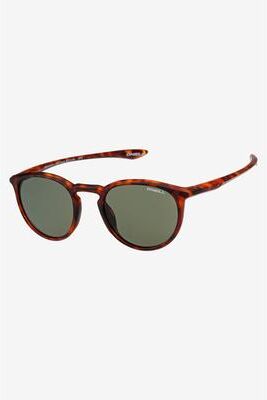
O'Neill 2.0 Sunglasses in TortoiseChannel timeless surf cool with the O'Neill Cloudbreak 2.0 polarized sunglasses, featuring a classic round eye shape paired with a vintage keyhole bridge and sleek beveled streamlined temples. This unisex retro-inspired silhouette brings effortless...69,00 $*Shipping: 0,00 $Secure redirect to the provider
-
INIKA Organic Tinted Natural Sunscreen toning sunscreen SPF 50+ 50 mlINIKA Organic Tinted Natural Sunscreen, 50 ml, Protection against Sunlight for Women, Protect your skin against premature ageing and other damage caused by sun exposure. The delicate skin on your face is far more sensitive than the skin on the rest of your body and is exposed to the sun all year round – another reason why it is important not to neglect skin protection. The INIKA Organic Tinted Natural Sunscreen is a sunscreen that reliably protects your skin against UV rays and helps you prevent not just sunburn and pigment spots, but also reduced skin elasticity, collagen loss and other signs of skin ageing. Characteristics: protects skin against UVA and UVB radiation is absorbed quickly nourishes skin hydrates and nourishes Ingredients: vegan product vitamin E – nourishes, provides antioxidant protection against premature ageing and damage caused by free radicals, helps smooth wrinkles and restore skin firmness and elasticity coconut oil – contains a large amount of antioxidants, helps prevent wrinkles and premature skin aging, intensively nourishes, softens and promotes hydration, regeneration and soothing of skin jojoba oil – keeps skin intensely hydrated, provides antioxidant protection, counteracts irritation and dryness, helps regulate sebum production and promotes regeneration How to use: Apply to clean skin before sun exposure.37,00 £*Shipping: 3,99 £Secure redirect to the provider
-
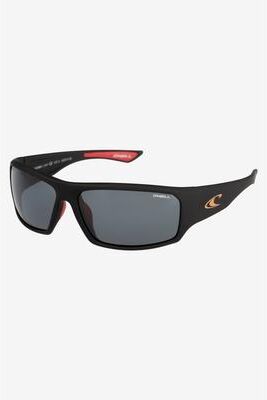
O'Neill 2.0 Sunglasses in Blk SilverGet ultimate coverage with the O'Neill Sultans 2.0 men's polarized sunglasses, featuring sunset color fades, beach-inspired vibes, and a unique skull-fit design that makes them perfect for wear under helmets, hats, hoods, and other headgear. Whether...89,00 $*Shipping: 0,00 $Secure redirect to the provider
-
O'Neill 2.0 Sunglasses in CrystalChannel timeless surf cool with the O'Neill Cloudbreak 2.0 polarized sunglasses, featuring a classic round eye shape paired with a vintage keyhole bridge and sleek beveled streamlined temples. This unisex retro-inspired silhouette brings effortless...69,00 $*Shipping: 0,00 $Secure redirect to the provider


-
Are Kazakhs a Turkic ethnic group?
Yes, Kazakhs are a Turkic ethnic group. They are descendants of Turkic tribes that migrated to the region of present-day Kazakhstan in the Middle Ages. The Kazakh language is also a Turkic language, belonging to the Kipchak branch of the Turkic language family. Additionally, Kazakh culture and traditions have strong Turkic influences, further solidifying their Turkic identity. **
-
Is Turkey really an ethnic Turkic people?
Turkey is a diverse country with a population that includes various ethnic groups, not just ethnic Turks. While the majority of the population in Turkey identifies as ethnic Turks, there are also significant Kurdish, Arab, and other minority populations. The concept of Turkish identity is complex and includes cultural, linguistic, and historical factors beyond just ethnic origin. Therefore, it is more accurate to say that Turkey is a multi-ethnic country with a dominant Turkish cultural and linguistic heritage. **
-
Do the Inuit belong to the Turkic peoples?
No, the Inuit do not belong to the Turkic peoples. The Inuit are indigenous peoples who primarily inhabit the Arctic regions of Canada, Greenland, and Alaska. They have their own distinct language, culture, and history that are different from the Turkic peoples, who are a group of ethnicities primarily located in Central Asia and parts of Eastern Europe. **
-
Do all Turkic peoples have the same roots?
No, not all Turkic peoples have the same roots. While they share a common linguistic and cultural heritage, Turkic peoples have diverse origins and histories. The Turkic language family originated in Central Asia, and Turkic peoples have migrated and settled in various regions over time, leading to different subgroups with distinct origins and influences. These subgroups include the Oghuz, Kipchak, and Karluk branches, among others, each with its own unique history and connections to different regions and cultures. **

Do the Scythians belong to the Turkic peoples?
The Scythians were an ancient nomadic people who lived in the Eurasian steppes from around the 9th century BC to the 4th century AD. While there are some linguistic and cultural similarities between the Scythians and Turkic peoples, they are not considered to be the same. The Scythians were an Indo-European group, while the Turkic peoples are a distinct language group that emerged later in history. Therefore, the Scythians are not considered to belong to the Turkic peoples. **
Which countries do the Turkic peoples belong to?
The Turkic peoples belong to countries such as Turkey, Azerbaijan, Kazakhstan, Uzbekistan, Turkmenistan, Kyrgyzstan, and parts of Russia, China, and Iran. These countries have significant populations of Turkic-speaking people who share a common cultural and linguistic heritage. The Turkic peoples have a rich history and have made significant contributions to the cultures and societies of these countries. **
Top-Angebote
Products related to Turkic:
-
Uplift Treasures Adjustable UV Protection Dog Sunglasses Adjustable UV Protection Dog SunglassesProduct Description: Protect your pets eyes in style with these adjustable dog sunglasses designed for small and medium breeds. Featuring UV protection, a soft comfortable frame, and windproof design, these pet goggles are perfect for outdoor walks,...75,97 $*Shipping: 0,00 $Secure redirect to the provider
-
Inspire Essentials ShadePaw UV Protection Dog Sunglasses ShadePaw UV Protection Dog SunglassesProtect your pets eyes while adding a stylish touch to every outdoor adventure. These dog sunglasses are designed to help shield your pets eyes from sunlight wind and dust during walks rides and outdoor activities. The lightweight soft frame and...34,98 $*Shipping: 0,00 $Secure redirect to the provider
-
O'Neill 2.0 Sunglasses in TortoiseChannel timeless surf cool with the O'Neill Cloudbreak 2.0 polarized sunglasses, featuring a classic round eye shape paired with a vintage keyhole bridge and sleek beveled streamlined temples. This unisex retro-inspired silhouette brings effortless...69,00 $*Shipping: 0,00 $Secure redirect to the provider
-
INIKA Organic Tinted Natural Sunscreen toning sunscreen SPF 50+ 50 mlINIKA Organic Tinted Natural Sunscreen, 50 ml, Protection against Sunlight for Women, Protect your skin against premature ageing and other damage caused by sun exposure. The delicate skin on your face is far more sensitive than the skin on the rest of your body and is exposed to the sun all year round – another reason why it is important not to neglect skin protection. The INIKA Organic Tinted Natural Sunscreen is a sunscreen that reliably protects your skin against UV rays and helps you prevent not just sunburn and pigment spots, but also reduced skin elasticity, collagen loss and other signs of skin ageing. Characteristics: protects skin against UVA and UVB radiation is absorbed quickly nourishes skin hydrates and nourishes Ingredients: vegan product vitamin E – nourishes, provides antioxidant protection against premature ageing and damage caused by free radicals, helps smooth wrinkles and restore skin firmness and elasticity coconut oil – contains a large amount of antioxidants, helps prevent wrinkles and premature skin aging, intensively nourishes, softens and promotes hydration, regeneration and soothing of skin jojoba oil – keeps skin intensely hydrated, provides antioxidant protection, counteracts irritation and dryness, helps regulate sebum production and promotes regeneration How to use: Apply to clean skin before sun exposure.37,00 £*Shipping: 3,99 £Secure redirect to the provider
-
Are Kazakhs a Turkic people?
Yes, Kazakhs are a Turkic people. They are one of the largest Turkic ethnic groups in Central Asia, with a majority of the population speaking the Kazakh language, which is a Turkic language. The Kazakhs have a shared history, culture, and linguistic roots with other Turkic peoples in the region. **
-
How similar are Turkic languages?
Turkic languages are similar in terms of their grammatical structure, vocabulary, and phonology. They share a common ancestor and have many cognates, making it easier for speakers of one Turkic language to understand and learn another. However, there are also significant differences among Turkic languages, especially in terms of phonological and lexical differences, as well as some grammatical variations. Despite these differences, the mutual intelligibility among Turkic languages allows for some level of communication and understanding between speakers of different Turkic languages. **
-
Are Kazakhs a Turkic ethnic group?
Yes, Kazakhs are a Turkic ethnic group. They are descendants of Turkic tribes that migrated to the region of present-day Kazakhstan in the Middle Ages. The Kazakh language is also a Turkic language, belonging to the Kipchak branch of the Turkic language family. Additionally, Kazakh culture and traditions have strong Turkic influences, further solidifying their Turkic identity. **
-
Is Turkey really an ethnic Turkic people?
Turkey is a diverse country with a population that includes various ethnic groups, not just ethnic Turks. While the majority of the population in Turkey identifies as ethnic Turks, there are also significant Kurdish, Arab, and other minority populations. The concept of Turkish identity is complex and includes cultural, linguistic, and historical factors beyond just ethnic origin. Therefore, it is more accurate to say that Turkey is a multi-ethnic country with a dominant Turkish cultural and linguistic heritage. **
Similar search terms for Turkic
-
O'Neill 2.0 Sunglasses in Blk SilverGet ultimate coverage with the O'Neill Sultans 2.0 men's polarized sunglasses, featuring sunset color fades, beach-inspired vibes, and a unique skull-fit design that makes them perfect for wear under helmets, hats, hoods, and other headgear. Whether...89,00 $*Shipping: 0,00 $Secure redirect to the provider
-
O'Neill 2.0 Sunglasses in CrystalChannel timeless surf cool with the O'Neill Cloudbreak 2.0 polarized sunglasses, featuring a classic round eye shape paired with a vintage keyhole bridge and sleek beveled streamlined temples. This unisex retro-inspired silhouette brings effortless...69,00 $*Shipping: 0,00 $Secure redirect to the provider
-
O'Neill 2.0 Sunglasses in Matte BlackGet ultimate coverage with the O'Neill Sultans 2.0 men's polarized sunglasses, featuring sunset color fades, beach-inspired vibes, and a unique skull-fit design that makes them perfect for wear under helmets, hats, hoods, and other headgear. Whether...89,00 $*Shipping: 0,00 $Secure redirect to the provider
-
O'Neill 2.0 Sunglasses in Matte BlackHit the road in classic O'Neill style with the Ensenada 2.0 men's polarized sunglasses, a refined silhouette that nails the balance between heritage surf cool and modern everyday wear. Versatile and effortlessly cool, the Ensenada pairs with every...89,00 $*Shipping: 0,00 $Secure redirect to the provider
-
Do the Inuit belong to the Turkic peoples?
No, the Inuit do not belong to the Turkic peoples. The Inuit are indigenous peoples who primarily inhabit the Arctic regions of Canada, Greenland, and Alaska. They have their own distinct language, culture, and history that are different from the Turkic peoples, who are a group of ethnicities primarily located in Central Asia and parts of Eastern Europe. **
-
Do all Turkic peoples have the same roots?
No, not all Turkic peoples have the same roots. While they share a common linguistic and cultural heritage, Turkic peoples have diverse origins and histories. The Turkic language family originated in Central Asia, and Turkic peoples have migrated and settled in various regions over time, leading to different subgroups with distinct origins and influences. These subgroups include the Oghuz, Kipchak, and Karluk branches, among others, each with its own unique history and connections to different regions and cultures. **
-
Do the Scythians belong to the Turkic peoples?
The Scythians were an ancient nomadic people who lived in the Eurasian steppes from around the 9th century BC to the 4th century AD. While there are some linguistic and cultural similarities between the Scythians and Turkic peoples, they are not considered to be the same. The Scythians were an Indo-European group, while the Turkic peoples are a distinct language group that emerged later in history. Therefore, the Scythians are not considered to belong to the Turkic peoples. **
-
Which countries do the Turkic peoples belong to?
The Turkic peoples belong to countries such as Turkey, Azerbaijan, Kazakhstan, Uzbekistan, Turkmenistan, Kyrgyzstan, and parts of Russia, China, and Iran. These countries have significant populations of Turkic-speaking people who share a common cultural and linguistic heritage. The Turkic peoples have a rich history and have made significant contributions to the cultures and societies of these countries. **
* All prices are inclusive of VAT and, if applicable, plus shipping costs. The offer information is based on the details provided by the respective shop and is updated through automated processes. Real-time updates do not occur, so deviations can occur in individual cases. ** Note: Parts of this content were created by AI.