Buy palba.eu ?
We are moving the project
palba.eu .
Are you interested in purchasing the domain
palba.eu ?
domain@kv-gmbh.de · 0541-91531010
Buy palba.eu ?
How can savannas be utilized?
Savannas can be utilized for various purposes such as agriculture, grazing for livestock, and ecotourism. The open grasslands of savannas provide suitable conditions for growing crops such as maize, sorghum, and millet. Livestock such as cattle, sheep, and goats can graze on the abundant grasses found in savannas. Additionally, savannas can be used for ecotourism activities such as wildlife safaris, bird watching, and nature walks, providing economic opportunities for local communities. However, it is important to manage the utilization of savannas sustainably to ensure the conservation of their biodiversity and ecosystem services. **
In which countries are there savannas?
Savannas are found in various countries around the world, primarily in tropical and subtropical regions. Some of the countries with significant savanna ecosystems include Brazil, Australia, South Africa, Kenya, Nigeria, and Venezuela. These regions typically have a combination of grasslands and scattered trees, with a distinct dry and wet season. Savannas are important habitats for a wide variety of wildlife and are also used for agriculture and grazing. **


Similar search terms for Savannas
Top-Angebote
Products related to Savannas:
-
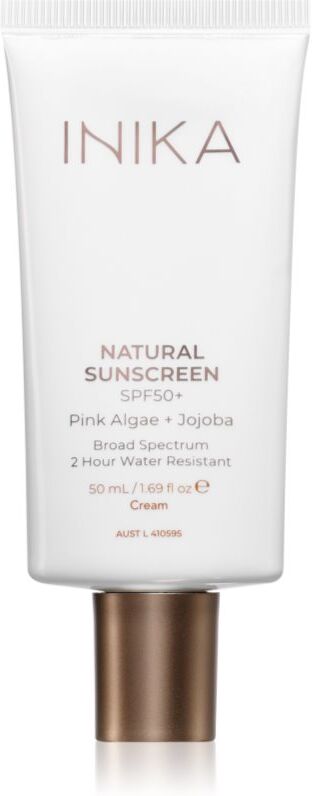
INIKA Organic Natural Sunscreen SPF 50+ sunscreen SPF 50+ 50 mlINIKA Organic Natural Sunscreen SPF 50+, 50 ml, Protection against Sunlight for Women, Protect your skin against premature ageing and other damage caused by sun exposure. The delicate skin on your face is far more sensitive than the skin on the rest of your body and is exposed to the sun all year round – another reason why it is important not to neglect skin protection. The INIKA Organic Natural Sunscreen SPF 50+ is a sunscreen that reliably protects your skin against UV rays and helps you prevent not just sunburn and pigment spots, but also reduced skin elasticity, collagen loss and other signs of skin ageing. Characteristics: protects skin against UVA and UVB radiation moisturises intensely is absorbed quickly nourishes skin easy to spread without leaving an oily film strengthens the skin barrier Ingredients: vegan product vitamin E – nourishes, provides antioxidant protection against premature ageing and damage caused by free radicals, helps smooth wrinkles and restore skin firmness and elasticity coconut oil – contains a large amount of antioxidants, helps prevent wrinkles and premature skin aging, intensively nourishes, softens and promotes hydration, regeneration and soothing of skin jojoba oil – keeps skin intensely hydrated, provides antioxidant protection, counteracts irritation and dryness, helps regulate sebum production and promotes regeneration How to use: Apply sun protection generously.32,73 £*Shipping: 3,99 £Secure redirect to the provider
-
INIKA Organic Tinted Natural Sunscreen toning sunscreen SPF 50+ 50 mlINIKA Organic Tinted Natural Sunscreen, 50 ml, Protection against Sunlight for Women, Protect your skin against premature ageing and other damage caused by sun exposure. The delicate skin on your face is far more sensitive than the skin on the rest of your body and is exposed to the sun all year round – another reason why it is important not to neglect skin protection. The INIKA Organic Tinted Natural Sunscreen is a sunscreen that reliably protects your skin against UV rays and helps you prevent not just sunburn and pigment spots, but also reduced skin elasticity, collagen loss and other signs of skin ageing. Characteristics: protects skin against UVA and UVB radiation is absorbed quickly nourishes skin hydrates and nourishes Ingredients: vegan product vitamin E – nourishes, provides antioxidant protection against premature ageing and damage caused by free radicals, helps smooth wrinkles and restore skin firmness and elasticity coconut oil – contains a large amount of antioxidants, helps prevent wrinkles and premature skin aging, intensively nourishes, softens and promotes hydration, regeneration and soothing of skin jojoba oil – keeps skin intensely hydrated, provides antioxidant protection, counteracts irritation and dryness, helps regulate sebum production and promotes regeneration How to use: Apply to clean skin before sun exposure.31,87 £*Shipping: 3,99 £Secure redirect to the provider
-
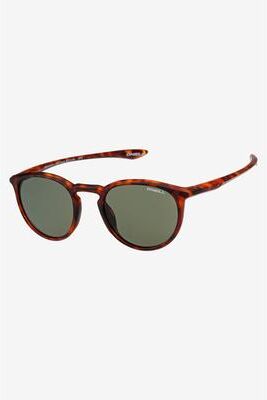
O'Neill 2.0 Sunglasses in TortoiseChannel timeless surf cool with the O'Neill Cloudbreak 2.0 polarized sunglasses, featuring a classic round eye shape paired with a vintage keyhole bridge and sleek beveled streamlined temples. This unisex retro-inspired silhouette brings effortless...69,00 $*Shipping: 0,00 $Secure redirect to the provider
-
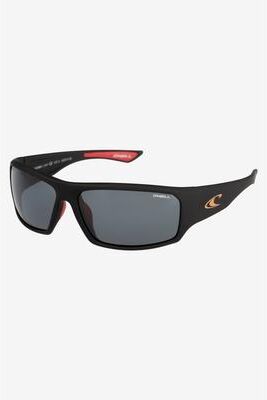
O'Neill 2.0 Sunglasses in Blk SilverGet ultimate coverage with the O'Neill Sultans 2.0 men's polarized sunglasses, featuring sunset color fades, beach-inspired vibes, and a unique skull-fit design that makes them perfect for wear under helmets, hats, hoods, and other headgear. Whether...89,00 $*Shipping: 0,00 $Secure redirect to the provider


-
Why are there different types of savannas?
There are different types of savannas because they can be found in various climatic regions around the world, each with its own unique environmental conditions. Factors such as temperature, rainfall, soil type, and topography can all contribute to the formation of different types of savannas. For example, tropical savannas are found in regions with distinct wet and dry seasons, while temperate savannas are found in areas with milder climates. Additionally, fire, grazing pressure, and human activity can also influence the characteristics of savanna ecosystems, leading to different types of savannas. **
-
Can you help me with the savannas?
Of course! I'd be happy to help you with information about savannas. Savannas are tropical grasslands characterized by a mix of grasses and scattered trees. They are found in regions with a seasonal climate, typically with a wet and dry season. Savannas are home to a diverse range of wildlife, including large herbivores like elephants and giraffes. If you have specific questions or need more detailed information about savannas, feel free to ask! **
-
Can someone please tell me what savannas are?
Savannas are tropical grasslands characterized by a mix of grasses and scattered trees. They typically have a dry season and a rainy season, with the vegetation adapted to survive in these conditions. Savannas are home to a diverse range of wildlife, including large herbivores like elephants and giraffes, as well as predators like lions and cheetahs. These ecosystems play a crucial role in maintaining biodiversity and are found in regions such as Africa, South America, and Australia. **
-
What is desertification and savannas in relation to geography and geology?
Desertification is the process by which fertile land becomes desert, typically as a result of drought, deforestation, or inappropriate agriculture practices. It is a significant environmental issue that can lead to the loss of biodiversity and productivity in affected areas. Savannas, on the other hand, are tropical grasslands characterized by scattered trees and shrubs. They are found in regions with a seasonal rainfall pattern and are important ecosystems that support a diverse range of plant and animal species. Both desertification and savannas are important topics in geography and geology as they involve the study of land degradation, climate patterns, and ecosystem dynamics. **

What is desertification and savannas in relation to geography and geography?
Desertification is the process by which fertile land becomes desert, typically as a result of drought, deforestation, or inappropriate agriculture. It is a significant geographical issue as it can lead to the loss of productive land and the displacement of communities. Savannas, on the other hand, are tropical grasslands with scattered trees and shrubs, and they are an important geographical feature in regions such as Africa, South America, and Australia. Understanding the distribution and characteristics of savannas is important in geography as it helps to explain the diversity of ecosystems and the impact of climate on vegetation patterns. **
What do all savannas have in common or can you tell me some common characteristics?
Savannas are characterized by a mix of grasses and scattered trees, with a distinct dry and wet season. They typically have a warm climate with seasonal rainfall, resulting in a grassland ecosystem. Savannas are home to a variety of wildlife, including large herbivores like zebras and elephants, as well as predators like lions and cheetahs. Overall, savannas are known for their biodiversity and the unique balance between grasslands and trees. **
Top-Angebote
Products related to Savannas:
-
Uplift Treasures Adjustable UV Protection Dog Sunglasses Adjustable UV Protection Dog SunglassesProduct Description: Protect your pets eyes in style with these adjustable dog sunglasses designed for small and medium breeds. Featuring UV protection, a soft comfortable frame, and windproof design, these pet goggles are perfect for outdoor walks,...75,97 $*Shipping: 0,00 $Secure redirect to the provider
-
Inspire Essentials ShadePaw UV Protection Dog Sunglasses ShadePaw UV Protection Dog SunglassesProtect your pets eyes while adding a stylish touch to every outdoor adventure. These dog sunglasses are designed to help shield your pets eyes from sunlight wind and dust during walks rides and outdoor activities. The lightweight soft frame and...34,98 $*Shipping: 0,00 $Secure redirect to the provider
-
INIKA Organic Natural Sunscreen SPF 50+ sunscreen SPF 50+ 50 mlINIKA Organic Natural Sunscreen SPF 50+, 50 ml, Protection against Sunlight for Women, Protect your skin against premature ageing and other damage caused by sun exposure. The delicate skin on your face is far more sensitive than the skin on the rest of your body and is exposed to the sun all year round – another reason why it is important not to neglect skin protection. The INIKA Organic Natural Sunscreen SPF 50+ is a sunscreen that reliably protects your skin against UV rays and helps you prevent not just sunburn and pigment spots, but also reduced skin elasticity, collagen loss and other signs of skin ageing. Characteristics: protects skin against UVA and UVB radiation moisturises intensely is absorbed quickly nourishes skin easy to spread without leaving an oily film strengthens the skin barrier Ingredients: vegan product vitamin E – nourishes, provides antioxidant protection against premature ageing and damage caused by free radicals, helps smooth wrinkles and restore skin firmness and elasticity coconut oil – contains a large amount of antioxidants, helps prevent wrinkles and premature skin aging, intensively nourishes, softens and promotes hydration, regeneration and soothing of skin jojoba oil – keeps skin intensely hydrated, provides antioxidant protection, counteracts irritation and dryness, helps regulate sebum production and promotes regeneration How to use: Apply sun protection generously.32,73 £*Shipping: 3,99 £Secure redirect to the provider
-
INIKA Organic Tinted Natural Sunscreen toning sunscreen SPF 50+ 50 mlINIKA Organic Tinted Natural Sunscreen, 50 ml, Protection against Sunlight for Women, Protect your skin against premature ageing and other damage caused by sun exposure. The delicate skin on your face is far more sensitive than the skin on the rest of your body and is exposed to the sun all year round – another reason why it is important not to neglect skin protection. The INIKA Organic Tinted Natural Sunscreen is a sunscreen that reliably protects your skin against UV rays and helps you prevent not just sunburn and pigment spots, but also reduced skin elasticity, collagen loss and other signs of skin ageing. Characteristics: protects skin against UVA and UVB radiation is absorbed quickly nourishes skin hydrates and nourishes Ingredients: vegan product vitamin E – nourishes, provides antioxidant protection against premature ageing and damage caused by free radicals, helps smooth wrinkles and restore skin firmness and elasticity coconut oil – contains a large amount of antioxidants, helps prevent wrinkles and premature skin aging, intensively nourishes, softens and promotes hydration, regeneration and soothing of skin jojoba oil – keeps skin intensely hydrated, provides antioxidant protection, counteracts irritation and dryness, helps regulate sebum production and promotes regeneration How to use: Apply to clean skin before sun exposure.31,87 £*Shipping: 3,99 £Secure redirect to the provider
-
How can savannas be utilized?
Savannas can be utilized for various purposes such as agriculture, grazing for livestock, and ecotourism. The open grasslands of savannas provide suitable conditions for growing crops such as maize, sorghum, and millet. Livestock such as cattle, sheep, and goats can graze on the abundant grasses found in savannas. Additionally, savannas can be used for ecotourism activities such as wildlife safaris, bird watching, and nature walks, providing economic opportunities for local communities. However, it is important to manage the utilization of savannas sustainably to ensure the conservation of their biodiversity and ecosystem services. **
-
In which countries are there savannas?
Savannas are found in various countries around the world, primarily in tropical and subtropical regions. Some of the countries with significant savanna ecosystems include Brazil, Australia, South Africa, Kenya, Nigeria, and Venezuela. These regions typically have a combination of grasslands and scattered trees, with a distinct dry and wet season. Savannas are important habitats for a wide variety of wildlife and are also used for agriculture and grazing. **
-
Why are there different types of savannas?
There are different types of savannas because they can be found in various climatic regions around the world, each with its own unique environmental conditions. Factors such as temperature, rainfall, soil type, and topography can all contribute to the formation of different types of savannas. For example, tropical savannas are found in regions with distinct wet and dry seasons, while temperate savannas are found in areas with milder climates. Additionally, fire, grazing pressure, and human activity can also influence the characteristics of savanna ecosystems, leading to different types of savannas. **
-
Can you help me with the savannas?
Of course! I'd be happy to help you with information about savannas. Savannas are tropical grasslands characterized by a mix of grasses and scattered trees. They are found in regions with a seasonal climate, typically with a wet and dry season. Savannas are home to a diverse range of wildlife, including large herbivores like elephants and giraffes. If you have specific questions or need more detailed information about savannas, feel free to ask! **
Similar search terms for Savannas
-
O'Neill 2.0 Sunglasses in TortoiseChannel timeless surf cool with the O'Neill Cloudbreak 2.0 polarized sunglasses, featuring a classic round eye shape paired with a vintage keyhole bridge and sleek beveled streamlined temples. This unisex retro-inspired silhouette brings effortless...69,00 $*Shipping: 0,00 $Secure redirect to the provider
-
O'Neill 2.0 Sunglasses in Blk SilverGet ultimate coverage with the O'Neill Sultans 2.0 men's polarized sunglasses, featuring sunset color fades, beach-inspired vibes, and a unique skull-fit design that makes them perfect for wear under helmets, hats, hoods, and other headgear. Whether...89,00 $*Shipping: 0,00 $Secure redirect to the provider
-
O'Neill 2.0 Sunglasses in CrystalChannel timeless surf cool with the O'Neill Cloudbreak 2.0 polarized sunglasses, featuring a classic round eye shape paired with a vintage keyhole bridge and sleek beveled streamlined temples. This unisex retro-inspired silhouette brings effortless...69,00 $*Shipping: 0,00 $Secure redirect to the provider
-
O'Neill 2.0 Sunglasses in Matte BlackGet ultimate coverage with the O'Neill Sultans 2.0 men's polarized sunglasses, featuring sunset color fades, beach-inspired vibes, and a unique skull-fit design that makes them perfect for wear under helmets, hats, hoods, and other headgear. Whether...89,00 $*Shipping: 0,00 $Secure redirect to the provider
-
Can someone please tell me what savannas are?
Savannas are tropical grasslands characterized by a mix of grasses and scattered trees. They typically have a dry season and a rainy season, with the vegetation adapted to survive in these conditions. Savannas are home to a diverse range of wildlife, including large herbivores like elephants and giraffes, as well as predators like lions and cheetahs. These ecosystems play a crucial role in maintaining biodiversity and are found in regions such as Africa, South America, and Australia. **
-
What is desertification and savannas in relation to geography and geology?
Desertification is the process by which fertile land becomes desert, typically as a result of drought, deforestation, or inappropriate agriculture practices. It is a significant environmental issue that can lead to the loss of biodiversity and productivity in affected areas. Savannas, on the other hand, are tropical grasslands characterized by scattered trees and shrubs. They are found in regions with a seasonal rainfall pattern and are important ecosystems that support a diverse range of plant and animal species. Both desertification and savannas are important topics in geography and geology as they involve the study of land degradation, climate patterns, and ecosystem dynamics. **
-
What is desertification and savannas in relation to geography and geography?
Desertification is the process by which fertile land becomes desert, typically as a result of drought, deforestation, or inappropriate agriculture. It is a significant geographical issue as it can lead to the loss of productive land and the displacement of communities. Savannas, on the other hand, are tropical grasslands with scattered trees and shrubs, and they are an important geographical feature in regions such as Africa, South America, and Australia. Understanding the distribution and characteristics of savannas is important in geography as it helps to explain the diversity of ecosystems and the impact of climate on vegetation patterns. **
-
What do all savannas have in common or can you tell me some common characteristics?
Savannas are characterized by a mix of grasses and scattered trees, with a distinct dry and wet season. They typically have a warm climate with seasonal rainfall, resulting in a grassland ecosystem. Savannas are home to a variety of wildlife, including large herbivores like zebras and elephants, as well as predators like lions and cheetahs. Overall, savannas are known for their biodiversity and the unique balance between grasslands and trees. **
* All prices are inclusive of VAT and, if applicable, plus shipping costs. The offer information is based on the details provided by the respective shop and is updated through automated processes. Real-time updates do not occur, so deviations can occur in individual cases. ** Note: Parts of this content were created by AI.