Buy palba.eu ?
We are moving the project
palba.eu .
Are you interested in purchasing the domain
palba.eu ?
domain@kv-gmbh.de · 0541-91531010
Buy palba.eu ?
Is the Nivea firming body lotion harmful for young skin?
The Nivea firming body lotion is generally safe for young skin, as it is formulated to be gentle and suitable for all skin types. However, it is always important to check the ingredients list for any potential allergens or irritants, especially if the individual has sensitive skin. It is also recommended to do a patch test before using the lotion on a larger area of the body to ensure there are no adverse reactions. Overall, when used as directed, the Nivea firming body lotion should not be harmful for young skin. **
What is self-tanning foam?
Self-tanning foam is a type of self-tanning product that comes in a foam or mousse form. It is designed to be applied to the skin to create a sun-kissed tan without the need for exposure to harmful UV rays. The foam typically contains DHA (dihydroxyacetone), a colorless sugar that interacts with the amino acids in the top layer of the skin to produce a temporary tan. Self-tanning foam is easy to apply and provides a natural-looking tan that develops over a few hours. **
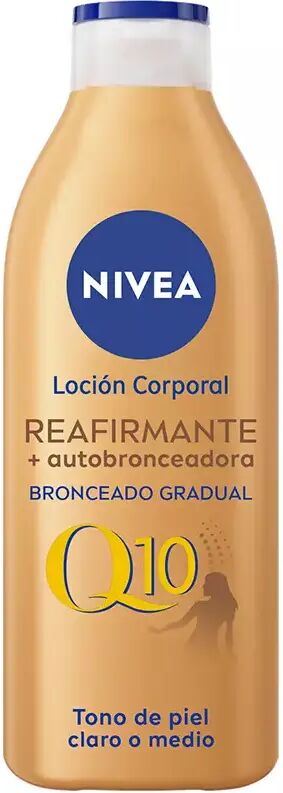
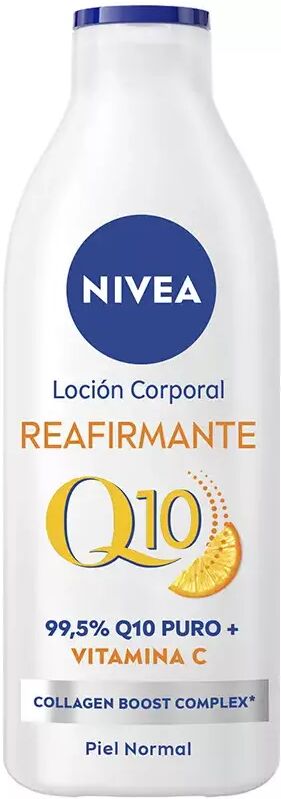
Similar search terms for Nivea-Q10-Firming-Self-Tanning
Top-Angebote
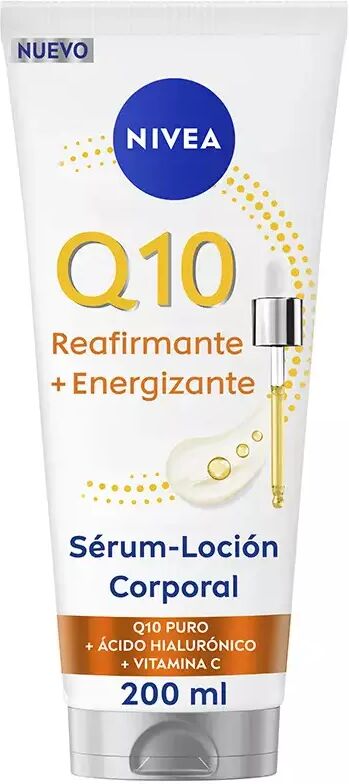
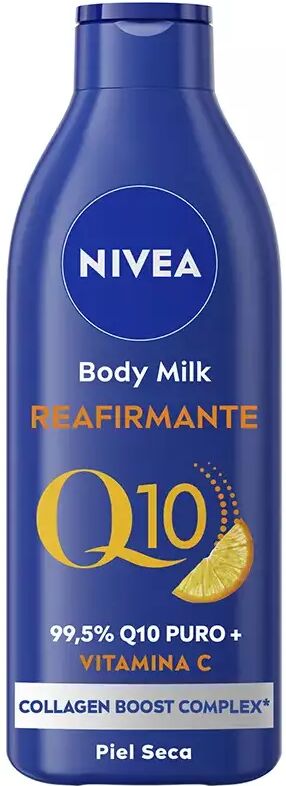
Products related to Nivea-Q10-Firming-Self-Tanning:


-
What is a self-tanning cream?
Self-tanning cream is a type of skincare product that is designed to give the skin a tan or bronzed appearance without the need for exposure to the sun. It typically contains an ingredient called dihydroxyacetone (DHA), which reacts with the amino acids in the top layer of the skin to produce a temporary color change. Self-tanning creams are a popular alternative to traditional tanning methods, as they can help achieve a sun-kissed look without the potential harmful effects of UV radiation. **
-
Does sunscreen prevent tanning?
Sunscreen helps to protect the skin from harmful UV rays that can cause sunburn and skin damage, but it does not completely prevent tanning. Tanning is the skin's natural defense mechanism against UV radiation, so some level of tanning may still occur even with sunscreen. However, using sunscreen with a high SPF and reapplying it regularly can help minimize the tanning effect and reduce the risk of skin damage. **
-
How long does self-tanning spray last?
Self-tanning spray typically lasts for about 3-7 days, depending on factors such as the quality of the product, how well it was applied, and how well it is maintained. Regular moisturizing and avoiding activities that can cause excessive sweating or rubbing against the skin can help prolong the longevity of the self-tanning spray. Additionally, reapplying the spray every few days can help maintain a consistent tan. **
-
Is tanning bed or self-tanner healthier?
Self-tanner is generally considered healthier than tanning beds because it does not expose the skin to harmful UV rays that can increase the risk of skin cancer and premature aging. Tanning beds emit UVA and UVB rays, which can damage the skin and increase the risk of skin cancer. Self-tanners work by coloring the outer layer of the skin without causing any damage, making them a safer option for achieving a tan. **

How is self-tanning mousse best applied?
Self-tanning mousse is best applied by first exfoliating the skin to ensure an even application. Then, using a tanning mitt, apply the mousse in circular motions, starting from the ankles and working your way up. Be sure to blend the product well, especially around the knees, elbows, and ankles to avoid streaks. Allow the mousse to dry completely before getting dressed, and wash your hands thoroughly after application to avoid staining. **
Is tanning oil the same as self-tanner?
No, tanning oil and self-tanner are not the same. Tanning oil is a product that is applied to the skin to help enhance and accelerate the tanning process by attracting more UV rays to the skin. On the other hand, self-tanner is a product that contains dihydroxyacetone (DHA) which reacts with the amino acids in the skin to produce a brown color, simulating a tan without exposure to UV rays. While tanning oil can help you tan faster, self-tanner provides a tan without the need for sun exposure. **
Top-Angebote
Products related to Nivea-Q10-Firming-Self-Tanning:
-
Is the Nivea firming body lotion harmful for young skin?
The Nivea firming body lotion is generally safe for young skin, as it is formulated to be gentle and suitable for all skin types. However, it is always important to check the ingredients list for any potential allergens or irritants, especially if the individual has sensitive skin. It is also recommended to do a patch test before using the lotion on a larger area of the body to ensure there are no adverse reactions. Overall, when used as directed, the Nivea firming body lotion should not be harmful for young skin. **
-
What is self-tanning foam?
Self-tanning foam is a type of self-tanning product that comes in a foam or mousse form. It is designed to be applied to the skin to create a sun-kissed tan without the need for exposure to harmful UV rays. The foam typically contains DHA (dihydroxyacetone), a colorless sugar that interacts with the amino acids in the top layer of the skin to produce a temporary tan. Self-tanning foam is easy to apply and provides a natural-looking tan that develops over a few hours. **
-
What is a self-tanning cream?
Self-tanning cream is a type of skincare product that is designed to give the skin a tan or bronzed appearance without the need for exposure to the sun. It typically contains an ingredient called dihydroxyacetone (DHA), which reacts with the amino acids in the top layer of the skin to produce a temporary color change. Self-tanning creams are a popular alternative to traditional tanning methods, as they can help achieve a sun-kissed look without the potential harmful effects of UV radiation. **
-
Does sunscreen prevent tanning?
Sunscreen helps to protect the skin from harmful UV rays that can cause sunburn and skin damage, but it does not completely prevent tanning. Tanning is the skin's natural defense mechanism against UV radiation, so some level of tanning may still occur even with sunscreen. However, using sunscreen with a high SPF and reapplying it regularly can help minimize the tanning effect and reduce the risk of skin damage. **
Similar search terms for Nivea-Q10-Firming-Self-Tanning
-
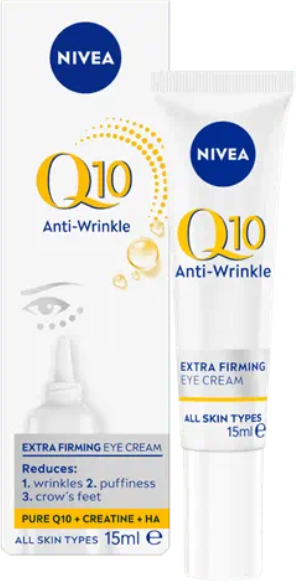
Nivea Q10 Power Anti Wrinkle & Firming Eye Cream 15ml 15mlNIVEA Q10 Power Anti-Wrinkle + Firming Eye Cream is the first anti-wrinkle moisturiser with 100% skin identical Q10 that works in perfect harmony with your skin. The eye cream is especially formulated for the delicate eye area – it’s suitable for all skin types. The formula with 100% skin identical Q10 and Creatine visibly reduces eye contour wrinkles and tangibly firms the skin around your eyes. In addition, this eye care reduces dark circles under your eyes. The skin compatibility of this eye treatment has been dermatologically and ophthalmologically approved. The product is suitable for contact lens wearers. Size: 15ml9,50 £*Shipping: 3,99 £Secure redirect to the provider
-
How long does self-tanning spray last?
Self-tanning spray typically lasts for about 3-7 days, depending on factors such as the quality of the product, how well it was applied, and how well it is maintained. Regular moisturizing and avoiding activities that can cause excessive sweating or rubbing against the skin can help prolong the longevity of the self-tanning spray. Additionally, reapplying the spray every few days can help maintain a consistent tan. **
-
Is tanning bed or self-tanner healthier?
Self-tanner is generally considered healthier than tanning beds because it does not expose the skin to harmful UV rays that can increase the risk of skin cancer and premature aging. Tanning beds emit UVA and UVB rays, which can damage the skin and increase the risk of skin cancer. Self-tanners work by coloring the outer layer of the skin without causing any damage, making them a safer option for achieving a tan. **
-
How is self-tanning mousse best applied?
Self-tanning mousse is best applied by first exfoliating the skin to ensure an even application. Then, using a tanning mitt, apply the mousse in circular motions, starting from the ankles and working your way up. Be sure to blend the product well, especially around the knees, elbows, and ankles to avoid streaks. Allow the mousse to dry completely before getting dressed, and wash your hands thoroughly after application to avoid staining. **
-
Is tanning oil the same as self-tanner?
No, tanning oil and self-tanner are not the same. Tanning oil is a product that is applied to the skin to help enhance and accelerate the tanning process by attracting more UV rays to the skin. On the other hand, self-tanner is a product that contains dihydroxyacetone (DHA) which reacts with the amino acids in the skin to produce a brown color, simulating a tan without exposure to UV rays. While tanning oil can help you tan faster, self-tanner provides a tan without the need for sun exposure. **
* All prices are inclusive of VAT and, if applicable, plus shipping costs. The offer information is based on the details provided by the respective shop and is updated through automated processes. Real-time updates do not occur, so deviations can occur in individual cases. ** Note: Parts of this content were created by AI.