Buy palba.eu ?
We are moving the project
palba.eu .
Are you interested in purchasing the domain
palba.eu ?
domain@kv-gmbh.de · 0541-91531010
Buy palba.eu ?
Types of melons
There are several types of melons, including cantaloupe, honeydew, watermelon, and casaba. Cantaloupe is known for its orange flesh and sweet flavor, while honeydew has a pale green flesh and a sweet, juicy taste. Watermelon is a popular summer fruit with its red flesh and refreshing flavor. Casaba melons have a yellow skin and sweet, white flesh. Each type of melon has its own unique flavor and texture, making them versatile for snacking, salads, and desserts. **
Do wolves eat melons?
No, wolves do not typically eat melons. Wolves are carnivores and their diet primarily consists of meat from large prey such as deer, elk, and moose. They are not known to seek out or consume fruits like melons as they do not provide the necessary nutrients and energy that wolves need to survive. **

Similar search terms for Melons
Top-Angebote
Products related to Melons:
-
Inspire Essentials ShadePaw UV Protection Dog Sunglasses ShadePaw UV Protection Dog SunglassesProtect your pets eyes while adding a stylish touch to every outdoor adventure. These dog sunglasses are designed to help shield your pets eyes from sunlight wind and dust during walks rides and outdoor activities. The lightweight soft frame and...34,98 $*Shipping: 0,00 $Secure redirect to the provider
-
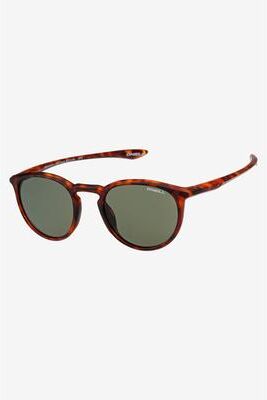
O'Neill 2.0 Sunglasses in TortoiseChannel timeless surf cool with the O'Neill Cloudbreak 2.0 polarized sunglasses, featuring a classic round eye shape paired with a vintage keyhole bridge and sleek beveled streamlined temples. This unisex retro-inspired silhouette brings effortless...69,00 $*Shipping: 0,00 $Secure redirect to the provider
-
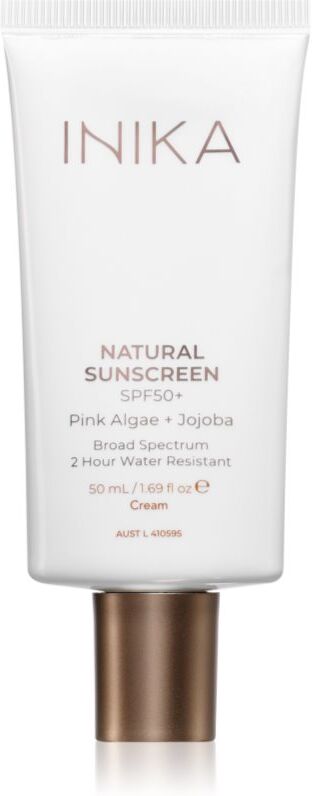
INIKA Organic Natural Sunscreen SPF 50+ sunscreen SPF 50+ 50 mlINIKA Organic Natural Sunscreen SPF 50+, 50 ml, Protection against Sunlight for Women, Protect your skin against premature ageing and other damage caused by sun exposure. The delicate skin on your face is far more sensitive than the skin on the rest of your body and is exposed to the sun all year round – another reason why it is important not to neglect skin protection. The INIKA Organic Natural Sunscreen SPF 50+ is a sunscreen that reliably protects your skin against UV rays and helps you prevent not just sunburn and pigment spots, but also reduced skin elasticity, collagen loss and other signs of skin ageing. Characteristics: protects skin against UVA and UVB radiation moisturises intensely is absorbed quickly nourishes skin easy to spread without leaving an oily film strengthens the skin barrier Ingredients: vegan product vitamin E – nourishes, provides antioxidant protection against premature ageing and damage caused by free radicals, helps smooth wrinkles and restore skin firmness and elasticity coconut oil – contains a large amount of antioxidants, helps prevent wrinkles and premature skin aging, intensively nourishes, softens and promotes hydration, regeneration and soothing of skin jojoba oil – keeps skin intensely hydrated, provides antioxidant protection, counteracts irritation and dryness, helps regulate sebum production and promotes regeneration How to use: Apply sun protection generously.32,73 £*Shipping: 3,99 £Secure redirect to the provider
-
INIKA Organic Tinted Natural Sunscreen toning sunscreen SPF 50+ 50 mlINIKA Organic Tinted Natural Sunscreen, 50 ml, Protection against Sunlight for Women, Protect your skin against premature ageing and other damage caused by sun exposure. The delicate skin on your face is far more sensitive than the skin on the rest of your body and is exposed to the sun all year round – another reason why it is important not to neglect skin protection. The INIKA Organic Tinted Natural Sunscreen is a sunscreen that reliably protects your skin against UV rays and helps you prevent not just sunburn and pigment spots, but also reduced skin elasticity, collagen loss and other signs of skin ageing. Characteristics: protects skin against UVA and UVB radiation is absorbed quickly nourishes skin hydrates and nourishes Ingredients: vegan product vitamin E – nourishes, provides antioxidant protection against premature ageing and damage caused by free radicals, helps smooth wrinkles and restore skin firmness and elasticity coconut oil – contains a large amount of antioxidants, helps prevent wrinkles and premature skin aging, intensively nourishes, softens and promotes hydration, regeneration and soothing of skin jojoba oil – keeps skin intensely hydrated, provides antioxidant protection, counteracts irritation and dryness, helps regulate sebum production and promotes regeneration How to use: Apply to clean skin before sun exposure.31,87 £*Shipping: 3,99 £Secure redirect to the provider


-
Do you like melons?
As an AI, I don't have personal preferences, but I can tell you that melons are a popular fruit enjoyed by many people around the world. They are known for their sweet and refreshing taste, and they can be enjoyed on their own or added to fruit salads, smoothies, and other dishes. Melons are also a good source of vitamins and minerals, making them a healthy choice for a snack or dessert. **
-
Do melons have brown leaves?
No, melons do not have brown leaves. Brown leaves on melon plants can be a sign of stress or disease, such as overwatering, nutrient deficiencies, or fungal infections. It is important to monitor the health of the plant and address any issues promptly to ensure the best growth and fruit production. **
-
How do you cultivate melons?
To cultivate melons, start by preparing well-drained soil with plenty of organic matter. Plant melon seeds or seedlings in a sunny location with plenty of space for the vines to spread out. Water the plants regularly, keeping the soil consistently moist but not waterlogged. Fertilize the plants with a balanced fertilizer throughout the growing season. As the melons start to develop, place a straw or cardboard under each fruit to prevent rot and keep them off the ground. Harvest the melons when they are fully ripe and have a sweet aroma. **
-
Are unripe honeydew melons poisonous?
No, unripe honeydew melons are not poisonous. However, they may not taste as sweet or have the same texture as ripe honeydew melons. It is safe to eat unripe honeydew melons, but they may not be as enjoyable as fully ripened ones. **

When are pepino melons ripe?
Pepino melons are ripe when their skin turns from green to a yellowish-orange color and they give off a sweet fragrance. Additionally, the fruit should feel slightly soft when gently pressed. It is important to note that pepino melons do not continue to ripen after they are picked, so it is best to wait until they are fully ripe before harvesting. **
How do you grow melons?
Melons can be grown by planting seeds or seedlings in well-drained soil with plenty of sunlight. It is important to provide regular watering, especially during the fruiting stage. Melons should be given space to spread out, so it is recommended to plant them in hills or mounds. Additionally, adding compost or fertilizer to the soil can help promote healthy growth and fruit production. Finally, it is important to monitor for pests and diseases and take appropriate measures to protect the melon plants. **
Top-Angebote
Products related to Melons:
-
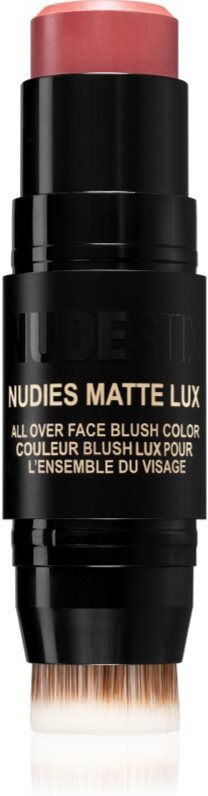
Nudestix Nudies Matte Lux multi-purpose makeup for eyes, lips and face shade Juicy Melons 7 gNudestix Nudies Matte Lux, 7 g, Eyeshadows for Women, Characteristics: long-lasting creamy texture high pigmentation matte effect easy to use gives your face a healthy colour Ingredients: vegan product21,68 £*Shipping: 3,99 £Secure redirect to the provider
-
Uplift Treasures Adjustable UV Protection Dog Sunglasses Adjustable UV Protection Dog SunglassesProduct Description: Protect your pets eyes in style with these adjustable dog sunglasses designed for small and medium breeds. Featuring UV protection, a soft comfortable frame, and windproof design, these pet goggles are perfect for outdoor walks,...75,97 $*Shipping: 0,00 $Secure redirect to the provider
-
Inspire Essentials ShadePaw UV Protection Dog Sunglasses ShadePaw UV Protection Dog SunglassesProtect your pets eyes while adding a stylish touch to every outdoor adventure. These dog sunglasses are designed to help shield your pets eyes from sunlight wind and dust during walks rides and outdoor activities. The lightweight soft frame and...34,98 $*Shipping: 0,00 $Secure redirect to the provider
-
O'Neill 2.0 Sunglasses in TortoiseChannel timeless surf cool with the O'Neill Cloudbreak 2.0 polarized sunglasses, featuring a classic round eye shape paired with a vintage keyhole bridge and sleek beveled streamlined temples. This unisex retro-inspired silhouette brings effortless...69,00 $*Shipping: 0,00 $Secure redirect to the provider
-
Types of melons
There are several types of melons, including cantaloupe, honeydew, watermelon, and casaba. Cantaloupe is known for its orange flesh and sweet flavor, while honeydew has a pale green flesh and a sweet, juicy taste. Watermelon is a popular summer fruit with its red flesh and refreshing flavor. Casaba melons have a yellow skin and sweet, white flesh. Each type of melon has its own unique flavor and texture, making them versatile for snacking, salads, and desserts. **
-
Do wolves eat melons?
No, wolves do not typically eat melons. Wolves are carnivores and their diet primarily consists of meat from large prey such as deer, elk, and moose. They are not known to seek out or consume fruits like melons as they do not provide the necessary nutrients and energy that wolves need to survive. **
-
Do you like melons?
As an AI, I don't have personal preferences, but I can tell you that melons are a popular fruit enjoyed by many people around the world. They are known for their sweet and refreshing taste, and they can be enjoyed on their own or added to fruit salads, smoothies, and other dishes. Melons are also a good source of vitamins and minerals, making them a healthy choice for a snack or dessert. **
-
Do melons have brown leaves?
No, melons do not have brown leaves. Brown leaves on melon plants can be a sign of stress or disease, such as overwatering, nutrient deficiencies, or fungal infections. It is important to monitor the health of the plant and address any issues promptly to ensure the best growth and fruit production. **
Similar search terms for Melons
-
INIKA Organic Natural Sunscreen SPF 50+ sunscreen SPF 50+ 50 mlINIKA Organic Natural Sunscreen SPF 50+, 50 ml, Protection against Sunlight for Women, Protect your skin against premature ageing and other damage caused by sun exposure. The delicate skin on your face is far more sensitive than the skin on the rest of your body and is exposed to the sun all year round – another reason why it is important not to neglect skin protection. The INIKA Organic Natural Sunscreen SPF 50+ is a sunscreen that reliably protects your skin against UV rays and helps you prevent not just sunburn and pigment spots, but also reduced skin elasticity, collagen loss and other signs of skin ageing. Characteristics: protects skin against UVA and UVB radiation moisturises intensely is absorbed quickly nourishes skin easy to spread without leaving an oily film strengthens the skin barrier Ingredients: vegan product vitamin E – nourishes, provides antioxidant protection against premature ageing and damage caused by free radicals, helps smooth wrinkles and restore skin firmness and elasticity coconut oil – contains a large amount of antioxidants, helps prevent wrinkles and premature skin aging, intensively nourishes, softens and promotes hydration, regeneration and soothing of skin jojoba oil – keeps skin intensely hydrated, provides antioxidant protection, counteracts irritation and dryness, helps regulate sebum production and promotes regeneration How to use: Apply sun protection generously.32,73 £*Shipping: 3,99 £Secure redirect to the provider
-
INIKA Organic Tinted Natural Sunscreen toning sunscreen SPF 50+ 50 mlINIKA Organic Tinted Natural Sunscreen, 50 ml, Protection against Sunlight for Women, Protect your skin against premature ageing and other damage caused by sun exposure. The delicate skin on your face is far more sensitive than the skin on the rest of your body and is exposed to the sun all year round – another reason why it is important not to neglect skin protection. The INIKA Organic Tinted Natural Sunscreen is a sunscreen that reliably protects your skin against UV rays and helps you prevent not just sunburn and pigment spots, but also reduced skin elasticity, collagen loss and other signs of skin ageing. Characteristics: protects skin against UVA and UVB radiation is absorbed quickly nourishes skin hydrates and nourishes Ingredients: vegan product vitamin E – nourishes, provides antioxidant protection against premature ageing and damage caused by free radicals, helps smooth wrinkles and restore skin firmness and elasticity coconut oil – contains a large amount of antioxidants, helps prevent wrinkles and premature skin aging, intensively nourishes, softens and promotes hydration, regeneration and soothing of skin jojoba oil – keeps skin intensely hydrated, provides antioxidant protection, counteracts irritation and dryness, helps regulate sebum production and promotes regeneration How to use: Apply to clean skin before sun exposure.31,87 £*Shipping: 3,99 £Secure redirect to the provider
-
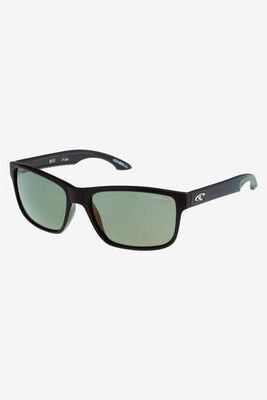
O'Neill 2.0 Sunglasses in Matte BlackEffortlessly cool, the O'Neill Coastline 2.0 men's polarized sunglasses feature a subtle square front with a vintage keyhole bridge that gives this frame a refined heritage edge. Versatile enough for everyday wear yet distinctive enough to make a...89,00 $*Shipping: 0,00 $Secure redirect to the provider
-
O'Neill 2.0 Sunglasses in Black GoldThe O'Neill Anso 2.0 men's polarized sunglasses deliver classic surf style with a confidently squared front shape that flatters every face. With bold color patterns and premium lens treatments, this versatile frame transitions effortlessly from...69,00 $*Shipping: 0,00 $Secure redirect to the provider
-
How do you cultivate melons?
To cultivate melons, start by preparing well-drained soil with plenty of organic matter. Plant melon seeds or seedlings in a sunny location with plenty of space for the vines to spread out. Water the plants regularly, keeping the soil consistently moist but not waterlogged. Fertilize the plants with a balanced fertilizer throughout the growing season. As the melons start to develop, place a straw or cardboard under each fruit to prevent rot and keep them off the ground. Harvest the melons when they are fully ripe and have a sweet aroma. **
-
Are unripe honeydew melons poisonous?
No, unripe honeydew melons are not poisonous. However, they may not taste as sweet or have the same texture as ripe honeydew melons. It is safe to eat unripe honeydew melons, but they may not be as enjoyable as fully ripened ones. **
-
When are pepino melons ripe?
Pepino melons are ripe when their skin turns from green to a yellowish-orange color and they give off a sweet fragrance. Additionally, the fruit should feel slightly soft when gently pressed. It is important to note that pepino melons do not continue to ripen after they are picked, so it is best to wait until they are fully ripe before harvesting. **
-
How do you grow melons?
Melons can be grown by planting seeds or seedlings in well-drained soil with plenty of sunlight. It is important to provide regular watering, especially during the fruiting stage. Melons should be given space to spread out, so it is recommended to plant them in hills or mounds. Additionally, adding compost or fertilizer to the soil can help promote healthy growth and fruit production. Finally, it is important to monitor for pests and diseases and take appropriate measures to protect the melon plants. **
* All prices are inclusive of VAT and, if applicable, plus shipping costs. The offer information is based on the details provided by the respective shop and is updated through automated processes. Real-time updates do not occur, so deviations can occur in individual cases. ** Note: Parts of this content were created by AI.