Buy palba.eu ?
We are moving the project
palba.eu .
Are you interested in purchasing the domain
palba.eu ?
domain@kv-gmbh.de · 0541-91531010
Buy palba.eu ?
What is the clos des chaulins 1989?
The Clos des Chaulins 1989 is a vintage wine from the Burgundy region of France. It is a red wine made from Pinot Noir grapes and is known for its complex flavors and aging potential. The 1989 vintage is highly regarded for its quality and is considered a classic example of Burgundian wine. It is sought after by wine enthusiasts and collectors for its rarity and exceptional taste. **
What happened in the year 1945?
In the year 1945, several significant events took place. World War II came to an end with the surrender of Nazi Germany in May and Japan in September. The United Nations was established in October to promote international cooperation and prevent future conflicts. Additionally, the atomic bombings of Hiroshima and Nagasaki in August marked the first and only use of nuclear weapons in warfare. **

Similar search terms for Malbec-Massal-1945-Clos
Top-Angebote
Products related to Malbec-Massal-1945-Clos:
-
Malbec 'Yacochuya' Bodega Rolland 2018Il Malbec “Yacochuya” di Bodega Rolland nasce in Argentina, in particolare nella zona di Mendoza. Arrivato in questa terra per una consulenza tecnica a un collega, l’enologo francese Michel Rolland si innamorò di questa terra e decise di fermarsi dando vita alla sua cantina in collaborazione con il collega Arnaldo Etchart, acquistando vecchie vigne e curandole con passione, affinché potessero produrre vini di qualità. Mantenendo attive le cantine in Francia, Michel ha investito molto in Argentina, perché convinto che questa terra potesse avere buone potenzialità nel mondo del vino. Oggi la cantina è gestita dalle figlie Stéphanie e Marie che si occupano rispettivamente della gestione logistica e del design dell’immagine dell’attività. Le uve Malbec del “Yacochuya” di Bodega Rolland provengono da un vecchio vigneto piantato nel 1915 a un’altitudine di circa 2030 metri sul livello del mare; in questa zona il suolo è principalmente composto da pietre, rivelandosi poco ricco di minerali. Il clima è caldo per la maggior parte dell’anno, quasi desertico, fatta eccezione per i rari venti provenienti dalle vicine Ande. È questo l’habitat ideale per dare vita a vini con bassa resa in vigna, ma che regalano grande intensità espressiva. Le uve sono attentamente selezionate in vigna e arrivate in cantina subiscono una fermentazione alcolica e malolattica in legno; il mosto affina 17 mesi in barrique francesi prima di passare in bottiglia. Il Malbec “Yacochuya” di Bodega Rolland appare alla vista di un rosso rubino con evidenti riflessi violacei. I profumi al naso ricordano i frutti di bosco e sul finale note tostate e di terra bagnata; in bocca si rivela pieno con tannini morbidi ben integrati nella struttura del vino con una buona persistenza finale che invoglia la beva. Perfetto con primi piatti a base di sughi di carne, ma anche con i tipici tagli di carne rossa della tradizione argenti cucinati alla griglia o in umido; interessante anche con i formaggi stagionati. Ottimo prodotto da consumare in occasioni di grigliate estive in famiglia o con gli amici, per regalarsi un prodotto dalla beva interessante e in continua evoluzione.60,00 £*Shipping: 48,00 £Secure redirect to the provider


-
How was Germany divided after 1945?
After 1945, Germany was divided into four occupation zones, each controlled by one of the Allied powers: the United States, Great Britain, France, and the Soviet Union. The capital city of Berlin was also divided into four sectors, despite being located within the Soviet zone. This division was a result of the agreements made at the Potsdam Conference in 1945, and it marked the beginning of the Cold War era in Germany. The division eventually led to the establishment of two separate German states: the Federal Republic of Germany (West Germany) in the western zones, and the German Democratic Republic (East Germany) in the Soviet zone. **
-
What happened from 1945 to 1998?
From 1945 to 1998, the world experienced significant events such as the end of World War II, the beginning of the Cold War, the Korean War, the Vietnam War, the Civil Rights Movement in the United States, the Space Race, the Cuban Missile Crisis, the fall of the Berlin Wall, and the dissolution of the Soviet Union. Additionally, there were advancements in technology, including the development of nuclear weapons, the creation of the internet, and the growth of the global economy. These years were marked by both conflict and progress, shaping the modern world as we know it today. **
-
Which democratic parties existed after 1945?
After 1945, several democratic parties emerged in various countries around the world. In the United States, the Democratic Party continued to be a major political force. In Germany, the Christian Democratic Union and the Social Democratic Party were established as democratic parties. In India, the Indian National Congress played a significant role in shaping the country's democratic system. Additionally, democratic parties emerged in countries such as Japan, Italy, and France, contributing to the global spread of democratic governance. **
-
What happened in the year 1944/1945?
In the year 1944/1945, World War II was reaching its climax. The Allied forces launched major offensives, such as the D-Day invasion in June 1944 and the Battle of the Bulge in December 1944. These events led to the liberation of Western Europe from Nazi control. Additionally, in 1945, the war in Europe came to an end with the unconditional surrender of Germany in May. The year 1945 also saw the dropping of atomic bombs on Hiroshima and Nagasaki, leading to the surrender of Japan and the end of World War II. **
What was the final victory in 1945?
The final victory in 1945 was the end of World War II. This victory was achieved when the Allied forces, including the United States, the Soviet Union, and Great Britain, defeated the Axis powers, primarily Germany and Japan. The war officially ended with the unconditional surrender of Germany in May 1945 and Japan in September 1945. This victory marked the beginning of a new era and brought an end to one of the deadliest conflicts in human history. **
What was the language crisis after 1945?
After 1945, the language crisis referred to the challenges faced by newly independent countries in Africa and Asia in choosing an official language. Many of these countries had multiple ethnic groups with their own languages, leading to debates over which language should be used for government, education, and communication. This decision was crucial as it could impact national unity, identity, and development. The language crisis highlighted the complexities of post-colonial nation-building and the need to balance linguistic diversity with practical considerations. **
Top-Angebote
Products related to Malbec-Massal-1945-Clos:
-
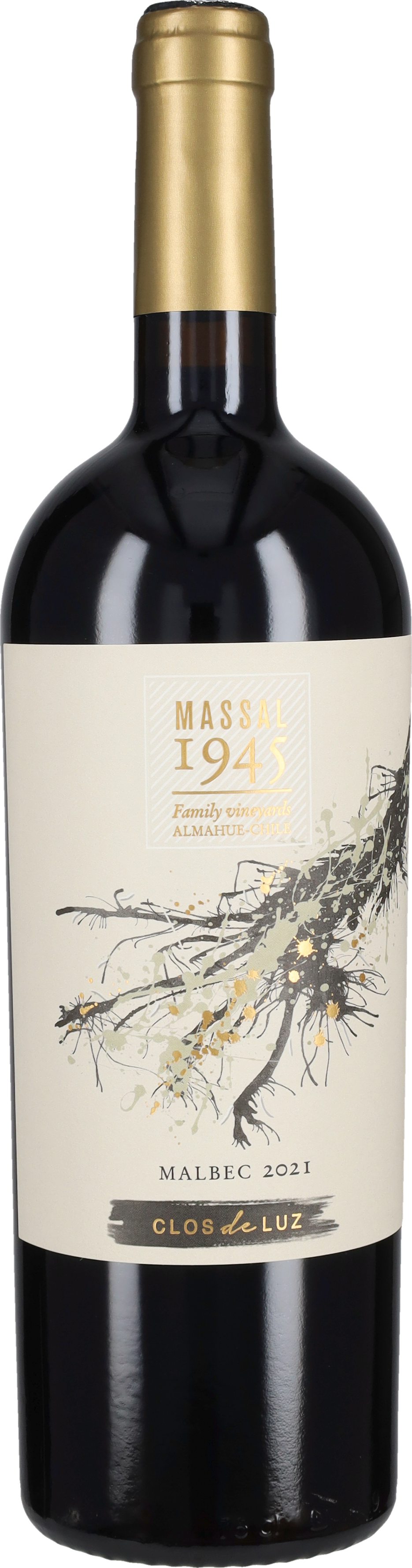
Malbec 'Massal 1945' Clos de Luz 2021The Malbec “Massal 1945” from Clos de Luz comes from a Chilean winery, founded in 1892 and located precisely in a small strip of land that has been involved in vine cultivation for centuries, extending over approximately 120 hectares. It is considered the winery that highlighted and gave longevity to the Carmenere grape, grafted already during the early Spanish colonization. Grandma Luz in 1945 started the activity as it is known today, which is also why the name of the winery refers to her. Around the vineyards, aromatic herbs, mustard, broad beans, and oats are cultivated, contributing to maintaining biodiversity, ensuring good growth and development of the vine plants. The pure Malbec grapes of the Malbec “Massal 1945” from Clos de Luz grow in predominantly Mediterranean climates: rains are concentrated in winter, while in spring and autumn, mild temperatures and sunny days are recorded. There are important temperature excursions that allow for a slow but complete ripening of the grapes at the time of harvest. The vineyards extend over an area of about 33 hectares, and the soil is mainly composed of quartz, iron, and granite rock sediments that provide character to the final product. Human intervention in the vineyard is kept to a minimum, and everything is done with non-invasive equipment and using horse-drawn methods. The harvest is manual, and in the winery, the grapes are still crushed by foot. Fermentation is spontaneous thanks to indigenous yeasts and ages in wood for about a year. In the glass, the Malbec “Massal 1945” from Clos de Luz presents an intense violet color with clean and bright reflections; given the age of the vineyard, aromas of dark fruits such as blueberries and some notes of dark chocolate and violet are recorded. On the palate, light tannins are felt, well integrated into the structure, in harmony with the freshness for a long and pleasant finish. It pairs excellently with pasta and seafood or pesto, grilled meat, or stewed and game; interesting also with spoon desserts based on dark chocolate. It is a product to reserve for formal lunches with work colleagues or for special celebrations, sipping a wine that expresses all the wonderful potentials of the Chilean land and conveys the wisdom and experience of those who have been working the land for over a century.27,00 £*Shipping: 48,00 £Secure redirect to the provider
-
Carmenere 'Massal 1945' Clos de Luz 2021tools pulled by horses; herbs, fava beans, mustard, and oats are also planted between the rows to break up the soil and enrich the land where the vine grows. The soil is of granitic origin with deposits of quartz and iron elements with significant rocky fragmentation for wines with character structure. The harvest is manual, and in the winery, alcoholic fermentation takes place with indigenous yeasts; it ages for 12 months in wood. The Carmenere “Massal 1945” from Clos de Luz presents itself in the glass with a deep purple color. On the nose, it reveals aromas of earth and ripe plum, while on the palate it is elegant and enveloping with good freshness and a lingering finish that invites drinking. It is ideal to accompany elaborate first courses based on truffles or mushrooms, grilled and stewed red meat, but also game. A product to be enjoyed with family to celebrate anniversaries or important events or with friends for summer barbecues, sharing a wine that is the result of the work of experience and attention to detail of a family dedicated to this activity for about a century.tools pulled by horses; herbs, fava beans, mustard, and oats are also planted between the rows to break up the soil and enrich the land where the vine grows. The soil is of granitic origin with deposits of quartz and iron elements with significant rocky fragmentation for wines with character structure. The harvest is manual, and in the winery, alcoholic fermentation takes place with indigenous yeasts; it ages for 12 months in wood. The Carmenere “Massal 1945” from Clos de Luz presents itself in the glass with a deep purple color. On the nose, it reveals aromas of earth and ripe plum, while on the palate it is elegant and enveloping with good freshness and a lingering finish that invites drinking. It is ideal to accompany elaborate first courses based on truffles or mushrooms, grilled and stewed red meat, but also game. A product to be enjoyed with family to celebrate anniversaries or important events or with friends for summer barbecues, sharing a wine that is the result of the work of experience and attention to detail of a family dedicated to this activity for about a century.28,00 £*Shipping: 48,00 £Secure redirect to the provider
-
Malbec 'Yacochuya' Bodega Rolland 2018Il Malbec “Yacochuya” di Bodega Rolland nasce in Argentina, in particolare nella zona di Mendoza. Arrivato in questa terra per una consulenza tecnica a un collega, l’enologo francese Michel Rolland si innamorò di questa terra e decise di fermarsi dando vita alla sua cantina in collaborazione con il collega Arnaldo Etchart, acquistando vecchie vigne e curandole con passione, affinché potessero produrre vini di qualità. Mantenendo attive le cantine in Francia, Michel ha investito molto in Argentina, perché convinto che questa terra potesse avere buone potenzialità nel mondo del vino. Oggi la cantina è gestita dalle figlie Stéphanie e Marie che si occupano rispettivamente della gestione logistica e del design dell’immagine dell’attività. Le uve Malbec del “Yacochuya” di Bodega Rolland provengono da un vecchio vigneto piantato nel 1915 a un’altitudine di circa 2030 metri sul livello del mare; in questa zona il suolo è principalmente composto da pietre, rivelandosi poco ricco di minerali. Il clima è caldo per la maggior parte dell’anno, quasi desertico, fatta eccezione per i rari venti provenienti dalle vicine Ande. È questo l’habitat ideale per dare vita a vini con bassa resa in vigna, ma che regalano grande intensità espressiva. Le uve sono attentamente selezionate in vigna e arrivate in cantina subiscono una fermentazione alcolica e malolattica in legno; il mosto affina 17 mesi in barrique francesi prima di passare in bottiglia. Il Malbec “Yacochuya” di Bodega Rolland appare alla vista di un rosso rubino con evidenti riflessi violacei. I profumi al naso ricordano i frutti di bosco e sul finale note tostate e di terra bagnata; in bocca si rivela pieno con tannini morbidi ben integrati nella struttura del vino con una buona persistenza finale che invoglia la beva. Perfetto con primi piatti a base di sughi di carne, ma anche con i tipici tagli di carne rossa della tradizione argenti cucinati alla griglia o in umido; interessante anche con i formaggi stagionati. Ottimo prodotto da consumare in occasioni di grigliate estive in famiglia o con gli amici, per regalarsi un prodotto dalla beva interessante e in continua evoluzione.60,00 £*Shipping: 48,00 £Secure redirect to the provider
-
What is the clos des chaulins 1989?
The Clos des Chaulins 1989 is a vintage wine from the Burgundy region of France. It is a red wine made from Pinot Noir grapes and is known for its complex flavors and aging potential. The 1989 vintage is highly regarded for its quality and is considered a classic example of Burgundian wine. It is sought after by wine enthusiasts and collectors for its rarity and exceptional taste. **
-
What happened in the year 1945?
In the year 1945, several significant events took place. World War II came to an end with the surrender of Nazi Germany in May and Japan in September. The United Nations was established in October to promote international cooperation and prevent future conflicts. Additionally, the atomic bombings of Hiroshima and Nagasaki in August marked the first and only use of nuclear weapons in warfare. **
-
How was Germany divided after 1945?
After 1945, Germany was divided into four occupation zones, each controlled by one of the Allied powers: the United States, Great Britain, France, and the Soviet Union. The capital city of Berlin was also divided into four sectors, despite being located within the Soviet zone. This division was a result of the agreements made at the Potsdam Conference in 1945, and it marked the beginning of the Cold War era in Germany. The division eventually led to the establishment of two separate German states: the Federal Republic of Germany (West Germany) in the western zones, and the German Democratic Republic (East Germany) in the Soviet zone. **
-
What happened from 1945 to 1998?
From 1945 to 1998, the world experienced significant events such as the end of World War II, the beginning of the Cold War, the Korean War, the Vietnam War, the Civil Rights Movement in the United States, the Space Race, the Cuban Missile Crisis, the fall of the Berlin Wall, and the dissolution of the Soviet Union. Additionally, there were advancements in technology, including the development of nuclear weapons, the creation of the internet, and the growth of the global economy. These years were marked by both conflict and progress, shaping the modern world as we know it today. **
Similar search terms for Malbec-Massal-1945-Clos
-
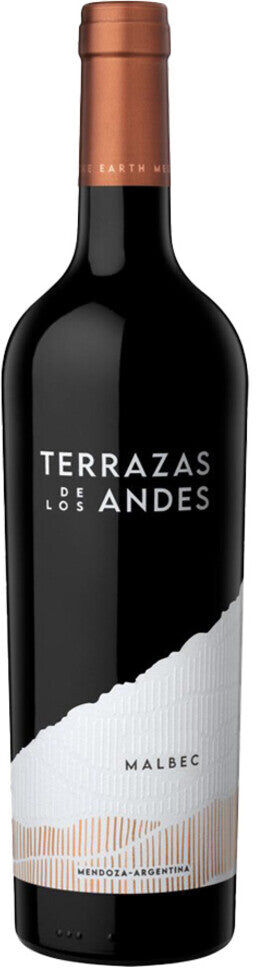
Malbec Terrazas de los Andes 2024The Malbec from the Argentine winery Terrazas de Los Andes is the classic version of the red that has made Argentina famous in the world. This grape variety, originally from the Bordeaux region, arrived in the New World during the 19th century and adapted very well, especially in the Mendoza area. Today it represents a global excellence, appreciated for its richness and pleasantness. It is the label that best summarizes the savoir-faire of the winery, through a selection of the best terroirs, which allows every year to obtain a wine harmonious and of extraordinary taste balance. The Malbec from Terrazas de Los Andes is born in a beautiful estate located in a very suitable area, rising towards the first foothills of the Andes Mountains. The altitude and extreme climate have proven perfect for quality viticulture, which today represents one of the excellences of Argentina. The grapes come from different plots cultivated at an altitude of about 1000 meters in the areas of Luján de Cuyo and the Uco Valley. The soils poor, very draining, and the warm and dry climate, with strong temperature fluctuations between day and night, create an ideal habitat for Malbec, which expresses itself at high quality levels, leading to slow maturation of grapes with particularly intense aromas. The best bunches are sent for fermentation with skin maceration. Before proceeding to bottling, the wine rests for a period of 12-14 months in French oak barrels. The red Malbec is produced by a historic winery in the area. Terrazas de Los Andes has been present in these lands since the late 19th century and its wines are the result of a deep knowledge of the area. In the glass, it presents a beautiful bright ruby red color. On the nose, it is intense and rich, with aromas of small red and black berries, hints of underbrush, spicy nuances, licorice root, and noble woods. The entry on the palate is soft and harmonious, with a ripe and expressive fruit, wrapped in fine and evolved tannins. The finish is long and very persistent.23,00 £*Shipping: 48,00 £Secure redirect to the provider
-
Which democratic parties existed after 1945?
After 1945, several democratic parties emerged in various countries around the world. In the United States, the Democratic Party continued to be a major political force. In Germany, the Christian Democratic Union and the Social Democratic Party were established as democratic parties. In India, the Indian National Congress played a significant role in shaping the country's democratic system. Additionally, democratic parties emerged in countries such as Japan, Italy, and France, contributing to the global spread of democratic governance. **
-
What happened in the year 1944/1945?
In the year 1944/1945, World War II was reaching its climax. The Allied forces launched major offensives, such as the D-Day invasion in June 1944 and the Battle of the Bulge in December 1944. These events led to the liberation of Western Europe from Nazi control. Additionally, in 1945, the war in Europe came to an end with the unconditional surrender of Germany in May. The year 1945 also saw the dropping of atomic bombs on Hiroshima and Nagasaki, leading to the surrender of Japan and the end of World War II. **
-
What was the final victory in 1945?
The final victory in 1945 was the end of World War II. This victory was achieved when the Allied forces, including the United States, the Soviet Union, and Great Britain, defeated the Axis powers, primarily Germany and Japan. The war officially ended with the unconditional surrender of Germany in May 1945 and Japan in September 1945. This victory marked the beginning of a new era and brought an end to one of the deadliest conflicts in human history. **
-
What was the language crisis after 1945?
After 1945, the language crisis referred to the challenges faced by newly independent countries in Africa and Asia in choosing an official language. Many of these countries had multiple ethnic groups with their own languages, leading to debates over which language should be used for government, education, and communication. This decision was crucial as it could impact national unity, identity, and development. The language crisis highlighted the complexities of post-colonial nation-building and the need to balance linguistic diversity with practical considerations. **
* All prices are inclusive of VAT and, if applicable, plus shipping costs. The offer information is based on the details provided by the respective shop and is updated through automated processes. Real-time updates do not occur, so deviations can occur in individual cases. ** Note: Parts of this content were created by AI.