Buy palba.eu ?
We are moving the project
palba.eu .
Are you interested in purchasing the domain
palba.eu ?
domain@kv-gmbh.de · 0541-91531010
Buy palba.eu ?
Is glyphosate an organic compound?
No, glyphosate is not an organic compound. It is a synthetic compound that is classified as an organophosphorus compound. Glyphosate is a broad-spectrum herbicide that is widely used in agriculture to kill weeds. Organic compounds, on the other hand, are compounds that contain carbon-hydrogen bonds and are typically found in living organisms. **
How does glyphosate affect surfaces?
Glyphosate, the active ingredient in many herbicides, can affect surfaces in several ways. When applied to plants, glyphosate is absorbed and inhibits the production of essential amino acids, leading to the death of the plant. This can result in the surfaces becoming dry and brittle as the plants die off. Additionally, glyphosate can also bind to soil particles, potentially affecting the soil surface and its ability to support plant growth. Overall, glyphosate can have a significant impact on the surfaces it comes into contact with, leading to changes in plant and soil health. **


Similar search terms for Glyphosate
Top-Angebote
Products related to Glyphosate:
-
Daily Deals Depot Cherry Crush Plunge Crop Top For Women Retro Summer Beachwear white sExperience the playful confidence of early2000s fashion with a flattering Y2K crop top designed to turn heads wherever you go. This charming cherry print top combines sweet vintageinspired style with a daring plunge neckline for the perfect balance...39,97 $*Shipping: 0,00 $Secure redirect to the provider
-
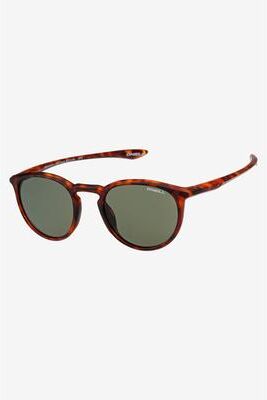
O'Neill 2.0 Sunglasses in TortoiseChannel timeless surf cool with the O'Neill Cloudbreak 2.0 polarized sunglasses, featuring a classic round eye shape paired with a vintage keyhole bridge and sleek beveled streamlined temples. This unisex retro-inspired silhouette brings effortless...69,00 $*Shipping: 0,00 $Secure redirect to the provider
-
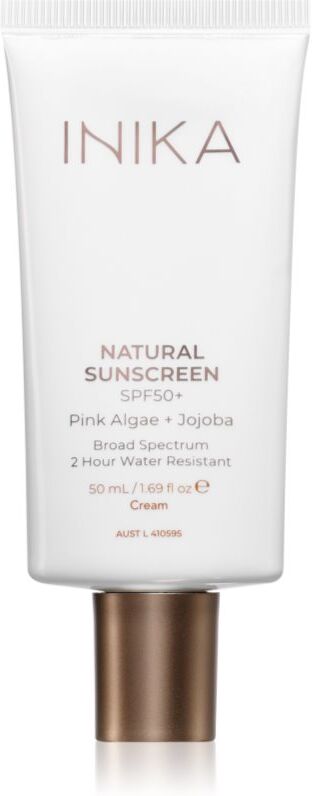
INIKA Organic Natural Sunscreen SPF 50+ sunscreen SPF 50+ 50 mlINIKA Organic Natural Sunscreen SPF 50+, 50 ml, Protection against Sunlight for Women, Protect your skin against premature ageing and other damage caused by sun exposure. The delicate skin on your face is far more sensitive than the skin on the rest of your body and is exposed to the sun all year round – another reason why it is important not to neglect skin protection. The INIKA Organic Natural Sunscreen SPF 50+ is a sunscreen that reliably protects your skin against UV rays and helps you prevent not just sunburn and pigment spots, but also reduced skin elasticity, collagen loss and other signs of skin ageing. Characteristics: protects skin against UVA and UVB radiation moisturises intensely is absorbed quickly nourishes skin easy to spread without leaving an oily film strengthens the skin barrier Ingredients: vegan product vitamin E – nourishes, provides antioxidant protection against premature ageing and damage caused by free radicals, helps smooth wrinkles and restore skin firmness and elasticity coconut oil – contains a large amount of antioxidants, helps prevent wrinkles and premature skin aging, intensively nourishes, softens and promotes hydration, regeneration and soothing of skin jojoba oil – keeps skin intensely hydrated, provides antioxidant protection, counteracts irritation and dryness, helps regulate sebum production and promotes regeneration How to use: Apply sun protection generously.32,73 £*Shipping: 3,99 £Secure redirect to the provider
-
INIKA Organic Tinted Natural Sunscreen toning sunscreen SPF 50+ 50 mlINIKA Organic Tinted Natural Sunscreen, 50 ml, Protection against Sunlight for Women, Protect your skin against premature ageing and other damage caused by sun exposure. The delicate skin on your face is far more sensitive than the skin on the rest of your body and is exposed to the sun all year round – another reason why it is important not to neglect skin protection. The INIKA Organic Tinted Natural Sunscreen is a sunscreen that reliably protects your skin against UV rays and helps you prevent not just sunburn and pigment spots, but also reduced skin elasticity, collagen loss and other signs of skin ageing. Characteristics: protects skin against UVA and UVB radiation is absorbed quickly nourishes skin hydrates and nourishes Ingredients: vegan product vitamin E – nourishes, provides antioxidant protection against premature ageing and damage caused by free radicals, helps smooth wrinkles and restore skin firmness and elasticity coconut oil – contains a large amount of antioxidants, helps prevent wrinkles and premature skin aging, intensively nourishes, softens and promotes hydration, regeneration and soothing of skin jojoba oil – keeps skin intensely hydrated, provides antioxidant protection, counteracts irritation and dryness, helps regulate sebum production and promotes regeneration How to use: Apply to clean skin before sun exposure.31,87 £*Shipping: 3,99 £Secure redirect to the provider


-
Should glyphosate be banned as far as possible?
The decision to ban glyphosate should be based on a thorough evaluation of its risks and benefits. While glyphosate is a widely used herbicide that helps control weeds and increase crop yields, there are concerns about its potential health and environmental impacts. If safer alternatives are available and feasible, then glyphosate should be phased out to minimize these risks. However, a complete ban may have negative consequences for farmers and food production, so a balanced approach considering all factors is necessary. **
-
How is a glyphosate-resistant soybean plant produced?
A glyphosate-resistant soybean plant is produced through a process called genetic engineering. Scientists identify and isolate the gene responsible for glyphosate resistance, often from a bacterium called Agrobacterium sp. strain CP4. This gene is then inserted into the soybean plant's genome using a technique called gene transfer. The resulting genetically modified soybean plant is able to produce an enzyme that degrades glyphosate, allowing it to survive exposure to the herbicide. This process allows farmers to effectively control weeds in their soybean fields without harming the crop. **
-
How can I create a research paper on glyphosate?
To create a research paper on glyphosate, start by conducting a thorough literature review to understand the current state of research on the topic. This will help you identify gaps in the existing knowledge and formulate a research question. Next, design a research methodology that will allow you to collect and analyze data related to glyphosate, such as its effects on human health, the environment, and its use in agriculture. Ensure that your research paper includes a clear introduction, literature review, methodology, results, discussion, and conclusion. Finally, make sure to cite all sources properly and adhere to the formatting guidelines provided by your instructor or the publication you are submitting to. **
-
What is the concentration of glyphosate in water bodies?
The concentration of glyphosate in water bodies can vary depending on factors such as agricultural runoff, application rates, and proximity to areas where glyphosate is used. Studies have found that glyphosate can be detected in surface water, groundwater, and even drinking water sources. The concentration of glyphosate in water bodies is a concern because of its potential impact on aquatic ecosystems and human health. Regulatory agencies in different countries have set limits on the allowable concentration of glyphosate in water to protect the environment and public health. **

Is a natural elimination of glyphosate from the body possible?
Yes, the human body can naturally eliminate glyphosate through a process called metabolism. Glyphosate is broken down in the liver by enzymes and then excreted through urine or feces. However, in cases of high or chronic exposure, the body may not be able to eliminate glyphosate fast enough, leading to potential health risks. It is important to limit exposure to glyphosate by following safety guidelines and consuming organic foods whenever possible. **
Is it possible for Glyphosate to naturally leave the body?
Glyphosate is not naturally broken down or metabolized by the human body, so it does not easily leave the body on its own. Instead, it is primarily excreted through urine and feces. The elimination half-life of glyphosate in the body is relatively short, around 3-5 days, meaning that it can be cleared from the body within a few days after exposure. However, prolonged or repeated exposure to glyphosate can lead to its accumulation in the body. **
Top-Angebote
Products related to Glyphosate:
-
Inspire Essentials ShadePaw UV Protection Dog Sunglasses ShadePaw UV Protection Dog SunglassesProtect your pets eyes while adding a stylish touch to every outdoor adventure. These dog sunglasses are designed to help shield your pets eyes from sunlight wind and dust during walks rides and outdoor activities. The lightweight soft frame and...34,98 $*Shipping: 0,00 $Secure redirect to the provider
-
Uplift Treasures Adjustable UV Protection Dog Sunglasses Adjustable UV Protection Dog SunglassesProduct Description: Protect your pets eyes in style with these adjustable dog sunglasses designed for small and medium breeds. Featuring UV protection, a soft comfortable frame, and windproof design, these pet goggles are perfect for outdoor walks,...75,97 $*Shipping: 0,00 $Secure redirect to the provider
-
Daily Deals Depot Cherry Crush Plunge Crop Top For Women Retro Summer Beachwear white sExperience the playful confidence of early2000s fashion with a flattering Y2K crop top designed to turn heads wherever you go. This charming cherry print top combines sweet vintageinspired style with a daring plunge neckline for the perfect balance...39,97 $*Shipping: 0,00 $Secure redirect to the provider
-
O'Neill 2.0 Sunglasses in TortoiseChannel timeless surf cool with the O'Neill Cloudbreak 2.0 polarized sunglasses, featuring a classic round eye shape paired with a vintage keyhole bridge and sleek beveled streamlined temples. This unisex retro-inspired silhouette brings effortless...69,00 $*Shipping: 0,00 $Secure redirect to the provider
-
Is glyphosate an organic compound?
No, glyphosate is not an organic compound. It is a synthetic compound that is classified as an organophosphorus compound. Glyphosate is a broad-spectrum herbicide that is widely used in agriculture to kill weeds. Organic compounds, on the other hand, are compounds that contain carbon-hydrogen bonds and are typically found in living organisms. **
-
How does glyphosate affect surfaces?
Glyphosate, the active ingredient in many herbicides, can affect surfaces in several ways. When applied to plants, glyphosate is absorbed and inhibits the production of essential amino acids, leading to the death of the plant. This can result in the surfaces becoming dry and brittle as the plants die off. Additionally, glyphosate can also bind to soil particles, potentially affecting the soil surface and its ability to support plant growth. Overall, glyphosate can have a significant impact on the surfaces it comes into contact with, leading to changes in plant and soil health. **
-
Should glyphosate be banned as far as possible?
The decision to ban glyphosate should be based on a thorough evaluation of its risks and benefits. While glyphosate is a widely used herbicide that helps control weeds and increase crop yields, there are concerns about its potential health and environmental impacts. If safer alternatives are available and feasible, then glyphosate should be phased out to minimize these risks. However, a complete ban may have negative consequences for farmers and food production, so a balanced approach considering all factors is necessary. **
-
How is a glyphosate-resistant soybean plant produced?
A glyphosate-resistant soybean plant is produced through a process called genetic engineering. Scientists identify and isolate the gene responsible for glyphosate resistance, often from a bacterium called Agrobacterium sp. strain CP4. This gene is then inserted into the soybean plant's genome using a technique called gene transfer. The resulting genetically modified soybean plant is able to produce an enzyme that degrades glyphosate, allowing it to survive exposure to the herbicide. This process allows farmers to effectively control weeds in their soybean fields without harming the crop. **
Similar search terms for Glyphosate
-
INIKA Organic Natural Sunscreen SPF 50+ sunscreen SPF 50+ 50 mlINIKA Organic Natural Sunscreen SPF 50+, 50 ml, Protection against Sunlight for Women, Protect your skin against premature ageing and other damage caused by sun exposure. The delicate skin on your face is far more sensitive than the skin on the rest of your body and is exposed to the sun all year round – another reason why it is important not to neglect skin protection. The INIKA Organic Natural Sunscreen SPF 50+ is a sunscreen that reliably protects your skin against UV rays and helps you prevent not just sunburn and pigment spots, but also reduced skin elasticity, collagen loss and other signs of skin ageing. Characteristics: protects skin against UVA and UVB radiation moisturises intensely is absorbed quickly nourishes skin easy to spread without leaving an oily film strengthens the skin barrier Ingredients: vegan product vitamin E – nourishes, provides antioxidant protection against premature ageing and damage caused by free radicals, helps smooth wrinkles and restore skin firmness and elasticity coconut oil – contains a large amount of antioxidants, helps prevent wrinkles and premature skin aging, intensively nourishes, softens and promotes hydration, regeneration and soothing of skin jojoba oil – keeps skin intensely hydrated, provides antioxidant protection, counteracts irritation and dryness, helps regulate sebum production and promotes regeneration How to use: Apply sun protection generously.32,73 £*Shipping: 3,99 £Secure redirect to the provider
-
INIKA Organic Tinted Natural Sunscreen toning sunscreen SPF 50+ 50 mlINIKA Organic Tinted Natural Sunscreen, 50 ml, Protection against Sunlight for Women, Protect your skin against premature ageing and other damage caused by sun exposure. The delicate skin on your face is far more sensitive than the skin on the rest of your body and is exposed to the sun all year round – another reason why it is important not to neglect skin protection. The INIKA Organic Tinted Natural Sunscreen is a sunscreen that reliably protects your skin against UV rays and helps you prevent not just sunburn and pigment spots, but also reduced skin elasticity, collagen loss and other signs of skin ageing. Characteristics: protects skin against UVA and UVB radiation is absorbed quickly nourishes skin hydrates and nourishes Ingredients: vegan product vitamin E – nourishes, provides antioxidant protection against premature ageing and damage caused by free radicals, helps smooth wrinkles and restore skin firmness and elasticity coconut oil – contains a large amount of antioxidants, helps prevent wrinkles and premature skin aging, intensively nourishes, softens and promotes hydration, regeneration and soothing of skin jojoba oil – keeps skin intensely hydrated, provides antioxidant protection, counteracts irritation and dryness, helps regulate sebum production and promotes regeneration How to use: Apply to clean skin before sun exposure.31,87 £*Shipping: 3,99 £Secure redirect to the provider
-
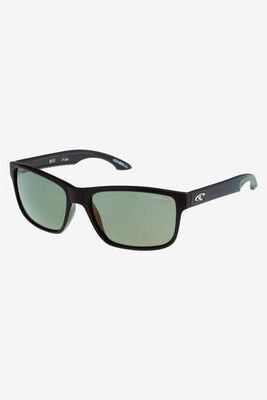
O'Neill 2.0 Sunglasses in Matte BlackEffortlessly cool, the O'Neill Coastline 2.0 men's polarized sunglasses feature a subtle square front with a vintage keyhole bridge that gives this frame a refined heritage edge. Versatile enough for everyday wear yet distinctive enough to make a...89,00 $*Shipping: 0,00 $Secure redirect to the provider
-
O'Neill 2.0 Sunglasses in Black GoldThe O'Neill Anso 2.0 men's polarized sunglasses deliver classic surf style with a confidently squared front shape that flatters every face. With bold color patterns and premium lens treatments, this versatile frame transitions effortlessly from...69,00 $*Shipping: 0,00 $Secure redirect to the provider
-
How can I create a research paper on glyphosate?
To create a research paper on glyphosate, start by conducting a thorough literature review to understand the current state of research on the topic. This will help you identify gaps in the existing knowledge and formulate a research question. Next, design a research methodology that will allow you to collect and analyze data related to glyphosate, such as its effects on human health, the environment, and its use in agriculture. Ensure that your research paper includes a clear introduction, literature review, methodology, results, discussion, and conclusion. Finally, make sure to cite all sources properly and adhere to the formatting guidelines provided by your instructor or the publication you are submitting to. **
-
What is the concentration of glyphosate in water bodies?
The concentration of glyphosate in water bodies can vary depending on factors such as agricultural runoff, application rates, and proximity to areas where glyphosate is used. Studies have found that glyphosate can be detected in surface water, groundwater, and even drinking water sources. The concentration of glyphosate in water bodies is a concern because of its potential impact on aquatic ecosystems and human health. Regulatory agencies in different countries have set limits on the allowable concentration of glyphosate in water to protect the environment and public health. **
-
Is a natural elimination of glyphosate from the body possible?
Yes, the human body can naturally eliminate glyphosate through a process called metabolism. Glyphosate is broken down in the liver by enzymes and then excreted through urine or feces. However, in cases of high or chronic exposure, the body may not be able to eliminate glyphosate fast enough, leading to potential health risks. It is important to limit exposure to glyphosate by following safety guidelines and consuming organic foods whenever possible. **
-
Is it possible for Glyphosate to naturally leave the body?
Glyphosate is not naturally broken down or metabolized by the human body, so it does not easily leave the body on its own. Instead, it is primarily excreted through urine and feces. The elimination half-life of glyphosate in the body is relatively short, around 3-5 days, meaning that it can be cleared from the body within a few days after exposure. However, prolonged or repeated exposure to glyphosate can lead to its accumulation in the body. **
* All prices are inclusive of VAT and, if applicable, plus shipping costs. The offer information is based on the details provided by the respective shop and is updated through automated processes. Real-time updates do not occur, so deviations can occur in individual cases. ** Note: Parts of this content were created by AI.