Buy palba.eu ?
We are moving the project
palba.eu .
Are you interested in purchasing the domain
palba.eu ?
domain@kv-gmbh.de · 0541-91531010
Buy palba.eu ?
What is the difference between il faut que and il faut?
"Il faut" is used to express a general necessity or obligation, while "il faut que" is used to introduce a specific action or event that is necessary or required. For example, "il faut manger" means "it is necessary to eat" in a general sense, while "il faut que tu manges" means "you need to eat" in a specific sense. "Il faut" is used to make a general statement about what is necessary, while "il faut que" is used to specify what needs to be done. **
When do you use il faut and il ne faut pas?
"Il faut" is used to express what is necessary or required, while "il ne faut pas" is used to express what is not allowed or should be avoided. For example, you would use "il faut" to say "il faut étudier pour réussir" (it is necessary to study to succeed), and "il ne faut pas" to say "il ne faut pas fumer dans ce lieu" (smoking is not allowed in this place). These expressions are used to give advice, make recommendations, or set rules. **
Similar search terms for Faut
Top-Angebote
Products related to Faut:
-
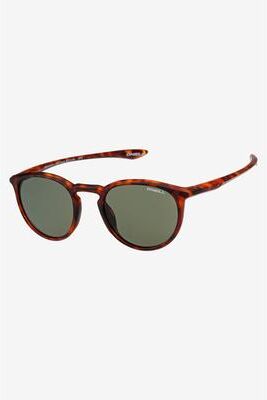
O'Neill 2.0 Sunglasses in TortoiseChannel timeless surf cool with the O'Neill Cloudbreak 2.0 polarized sunglasses, featuring a classic round eye shape paired with a vintage keyhole bridge and sleek beveled streamlined temples. This unisex retro-inspired silhouette brings effortless...69,00 $*Shipping: 0,00 $Secure redirect to the provider
-
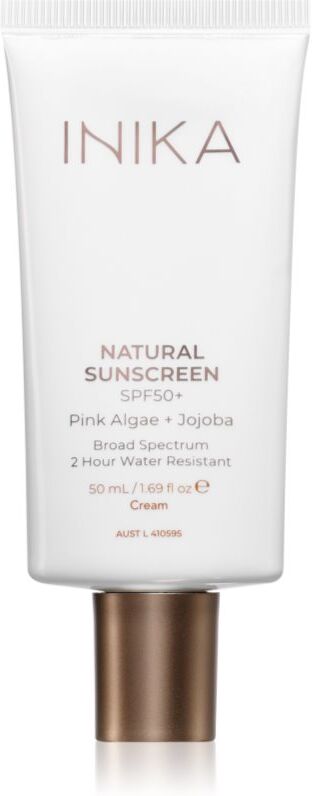
INIKA Organic Natural Sunscreen SPF 50+ sunscreen SPF 50+ 50 mlINIKA Organic Natural Sunscreen SPF 50+, 50 ml, Protection against Sunlight for Women, Protect your skin against premature ageing and other damage caused by sun exposure. The delicate skin on your face is far more sensitive than the skin on the rest of your body and is exposed to the sun all year round – another reason why it is important not to neglect skin protection. The INIKA Organic Natural Sunscreen SPF 50+ is a sunscreen that reliably protects your skin against UV rays and helps you prevent not just sunburn and pigment spots, but also reduced skin elasticity, collagen loss and other signs of skin ageing. Characteristics: protects skin against UVA and UVB radiation moisturises intensely is absorbed quickly nourishes skin easy to spread without leaving an oily film strengthens the skin barrier Ingredients: vegan product vitamin E – nourishes, provides antioxidant protection against premature ageing and damage caused by free radicals, helps smooth wrinkles and restore skin firmness and elasticity coconut oil – contains a large amount of antioxidants, helps prevent wrinkles and premature skin aging, intensively nourishes, softens and promotes hydration, regeneration and soothing of skin jojoba oil – keeps skin intensely hydrated, provides antioxidant protection, counteracts irritation and dryness, helps regulate sebum production and promotes regeneration How to use: Apply sun protection generously.32,73 £*Shipping: 3,99 £Secure redirect to the provider
-
INIKA Organic Tinted Natural Sunscreen toning sunscreen SPF 50+ 50 mlINIKA Organic Tinted Natural Sunscreen, 50 ml, Protection against Sunlight for Women, Protect your skin against premature ageing and other damage caused by sun exposure. The delicate skin on your face is far more sensitive than the skin on the rest of your body and is exposed to the sun all year round – another reason why it is important not to neglect skin protection. The INIKA Organic Tinted Natural Sunscreen is a sunscreen that reliably protects your skin against UV rays and helps you prevent not just sunburn and pigment spots, but also reduced skin elasticity, collagen loss and other signs of skin ageing. Characteristics: protects skin against UVA and UVB radiation is absorbed quickly nourishes skin hydrates and nourishes Ingredients: vegan product vitamin E – nourishes, provides antioxidant protection against premature ageing and damage caused by free radicals, helps smooth wrinkles and restore skin firmness and elasticity coconut oil – contains a large amount of antioxidants, helps prevent wrinkles and premature skin aging, intensively nourishes, softens and promotes hydration, regeneration and soothing of skin jojoba oil – keeps skin intensely hydrated, provides antioxidant protection, counteracts irritation and dryness, helps regulate sebum production and promotes regeneration How to use: Apply to clean skin before sun exposure.31,87 £*Shipping: 3,99 £Secure redirect to the provider
-
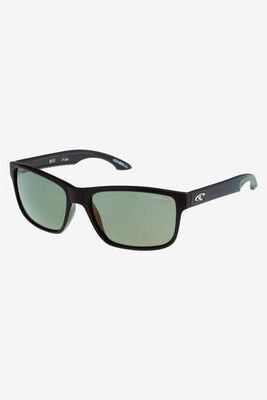
O'Neill 2.0 Sunglasses in Matte BlackEffortlessly cool, the O'Neill Coastline 2.0 men's polarized sunglasses feature a subtle square front with a vintage keyhole bridge that gives this frame a refined heritage edge. Versatile enough for everyday wear yet distinctive enough to make a...89,00 $*Shipping: 0,00 $Secure redirect to the provider


-
How does "il faut" work in French?
"Il faut" is a common expression in French that is used to convey the idea of necessity or obligation. It is followed by an infinitive verb and is used to express what needs to be done or what is necessary in a given situation. For example, "Il faut manger" means "It is necessary to eat." This expression is used to give advice, make suggestions, or express general truths. **
-
What is the past tense of il faut?
The past tense of "il faut" is "il a fallu." This is the third person singular form of the verb "falloir" in the past tense. It is used to indicate that something was necessary or required in the past. For example, "Il a fallu partir tôt ce matin" means "It was necessary to leave early this morning." **
-
Why do we say "il faut" in French instead of "on doit"? One reads "il faut" everywhere, very rarely "on doit." Why?
"We say 'il faut' in French instead of 'on doit' because 'il faut' is a more common and idiomatic expression in the French language. It is used to convey the idea of necessity or obligation in a more formal and impersonal way. On the other hand, 'on doit' is more direct and personal, implying a specific obligation or duty. Therefore, 'il faut' is preferred in a wider range of contexts and is considered more polite and appropriate in formal or general statements." **
-
Why do people say "il faut" in French instead of "on doit"? "Il faut" is read everywhere, while "on doit" is very, very rarely seen. Why?
The phrase "il faut" is used in French to express the idea of necessity or obligation, while "on doit" is used to express the idea of duty or responsibility. The use of "il faut" is more common because it is a more general and impersonal way of expressing necessity, whereas "on doit" is more specific and implies a direct responsibility or obligation. Additionally, "il faut" is a fixed expression in French, while "on doit" can be more easily replaced by other phrases or constructions. Therefore, "il faut" is used more frequently in written and spoken French. **

Has anyone of you ever read the book Il faut sauver Saïd?
As an AI language model, I don't have personal experiences or the ability to read books. However, "Il faut sauver Saïd" is a French novel written by Brigitte Smadja. It tells the story of a young boy named Saïd who is struggling to find his place in the world. The novel addresses themes of identity, immigration, and belonging, and has been well-received for its powerful storytelling and thought-provoking content. If you have read the book, I would love to hear your thoughts on it! **
What is the difference between "il faut" and "on a besoin" in French?
"Il faut" and "on a besoin" both express a need or necessity in French, but they are used in slightly different contexts. "Il faut" is used to express a general necessity or obligation, while "on a besoin" is used to express a specific need or requirement. For example, "Il faut manger pour vivre" (One must eat to live) expresses a general necessity, while "On a besoin de nourriture pour survivre" (We need food to survive) expresses a specific need. **
Top-Angebote
Products related to Faut:
-
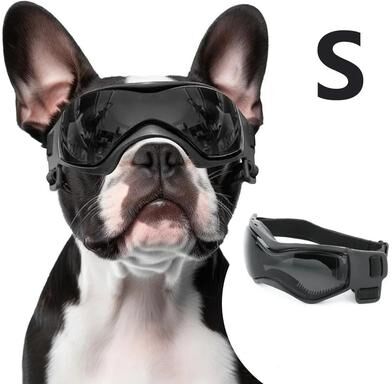
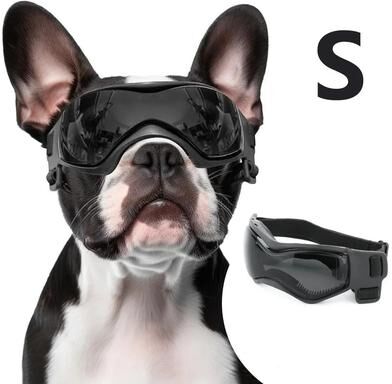
Uplift Treasures Adjustable UV Protection Dog Sunglasses Adjustable UV Protection Dog SunglassesProduct Description: Protect your pets eyes in style with these adjustable dog sunglasses designed for small and medium breeds. Featuring UV protection, a soft comfortable frame, and windproof design, these pet goggles are perfect for outdoor walks,...75,97 $*Shipping: 0,00 $Secure redirect to the provider
-
Inspire Essentials ShadePaw UV Protection Dog Sunglasses ShadePaw UV Protection Dog SunglassesProtect your pets eyes while adding a stylish touch to every outdoor adventure. These dog sunglasses are designed to help shield your pets eyes from sunlight wind and dust during walks rides and outdoor activities. The lightweight soft frame and...34,98 $*Shipping: 0,00 $Secure redirect to the provider
-
O'Neill 2.0 Sunglasses in TortoiseChannel timeless surf cool with the O'Neill Cloudbreak 2.0 polarized sunglasses, featuring a classic round eye shape paired with a vintage keyhole bridge and sleek beveled streamlined temples. This unisex retro-inspired silhouette brings effortless...69,00 $*Shipping: 0,00 $Secure redirect to the provider
-
INIKA Organic Natural Sunscreen SPF 50+ sunscreen SPF 50+ 50 mlINIKA Organic Natural Sunscreen SPF 50+, 50 ml, Protection against Sunlight for Women, Protect your skin against premature ageing and other damage caused by sun exposure. The delicate skin on your face is far more sensitive than the skin on the rest of your body and is exposed to the sun all year round – another reason why it is important not to neglect skin protection. The INIKA Organic Natural Sunscreen SPF 50+ is a sunscreen that reliably protects your skin against UV rays and helps you prevent not just sunburn and pigment spots, but also reduced skin elasticity, collagen loss and other signs of skin ageing. Characteristics: protects skin against UVA and UVB radiation moisturises intensely is absorbed quickly nourishes skin easy to spread without leaving an oily film strengthens the skin barrier Ingredients: vegan product vitamin E – nourishes, provides antioxidant protection against premature ageing and damage caused by free radicals, helps smooth wrinkles and restore skin firmness and elasticity coconut oil – contains a large amount of antioxidants, helps prevent wrinkles and premature skin aging, intensively nourishes, softens and promotes hydration, regeneration and soothing of skin jojoba oil – keeps skin intensely hydrated, provides antioxidant protection, counteracts irritation and dryness, helps regulate sebum production and promotes regeneration How to use: Apply sun protection generously.32,73 £*Shipping: 3,99 £Secure redirect to the provider
-
What is the difference between il faut que and il faut?
"Il faut" is used to express a general necessity or obligation, while "il faut que" is used to introduce a specific action or event that is necessary or required. For example, "il faut manger" means "it is necessary to eat" in a general sense, while "il faut que tu manges" means "you need to eat" in a specific sense. "Il faut" is used to make a general statement about what is necessary, while "il faut que" is used to specify what needs to be done. **
-
When do you use il faut and il ne faut pas?
"Il faut" is used to express what is necessary or required, while "il ne faut pas" is used to express what is not allowed or should be avoided. For example, you would use "il faut" to say "il faut étudier pour réussir" (it is necessary to study to succeed), and "il ne faut pas" to say "il ne faut pas fumer dans ce lieu" (smoking is not allowed in this place). These expressions are used to give advice, make recommendations, or set rules. **
-
How does "il faut" work in French?
"Il faut" is a common expression in French that is used to convey the idea of necessity or obligation. It is followed by an infinitive verb and is used to express what needs to be done or what is necessary in a given situation. For example, "Il faut manger" means "It is necessary to eat." This expression is used to give advice, make suggestions, or express general truths. **
-
What is the past tense of il faut?
The past tense of "il faut" is "il a fallu." This is the third person singular form of the verb "falloir" in the past tense. It is used to indicate that something was necessary or required in the past. For example, "Il a fallu partir tôt ce matin" means "It was necessary to leave early this morning." **
Similar search terms for Faut
-
INIKA Organic Tinted Natural Sunscreen toning sunscreen SPF 50+ 50 mlINIKA Organic Tinted Natural Sunscreen, 50 ml, Protection against Sunlight for Women, Protect your skin against premature ageing and other damage caused by sun exposure. The delicate skin on your face is far more sensitive than the skin on the rest of your body and is exposed to the sun all year round – another reason why it is important not to neglect skin protection. The INIKA Organic Tinted Natural Sunscreen is a sunscreen that reliably protects your skin against UV rays and helps you prevent not just sunburn and pigment spots, but also reduced skin elasticity, collagen loss and other signs of skin ageing. Characteristics: protects skin against UVA and UVB radiation is absorbed quickly nourishes skin hydrates and nourishes Ingredients: vegan product vitamin E – nourishes, provides antioxidant protection against premature ageing and damage caused by free radicals, helps smooth wrinkles and restore skin firmness and elasticity coconut oil – contains a large amount of antioxidants, helps prevent wrinkles and premature skin aging, intensively nourishes, softens and promotes hydration, regeneration and soothing of skin jojoba oil – keeps skin intensely hydrated, provides antioxidant protection, counteracts irritation and dryness, helps regulate sebum production and promotes regeneration How to use: Apply to clean skin before sun exposure.31,87 £*Shipping: 3,99 £Secure redirect to the provider
-
O'Neill 2.0 Sunglasses in Matte BlackEffortlessly cool, the O'Neill Coastline 2.0 men's polarized sunglasses feature a subtle square front with a vintage keyhole bridge that gives this frame a refined heritage edge. Versatile enough for everyday wear yet distinctive enough to make a...89,00 $*Shipping: 0,00 $Secure redirect to the provider
-
O'Neill 2.0 Sunglasses in Black GoldThe O'Neill Anso 2.0 men's polarized sunglasses deliver classic surf style with a confidently squared front shape that flatters every face. With bold color patterns and premium lens treatments, this versatile frame transitions effortlessly from...69,00 $*Shipping: 0,00 $Secure redirect to the provider
-
O'Neill 2.0 Sunglasses in CrystalChannel timeless surf cool with the O'Neill Cloudbreak 2.0 polarized sunglasses, featuring a classic round eye shape paired with a vintage keyhole bridge and sleek beveled streamlined temples. This unisex retro-inspired silhouette brings effortless...69,00 $*Shipping: 0,00 $Secure redirect to the provider
-
Why do we say "il faut" in French instead of "on doit"? One reads "il faut" everywhere, very rarely "on doit." Why?
"We say 'il faut' in French instead of 'on doit' because 'il faut' is a more common and idiomatic expression in the French language. It is used to convey the idea of necessity or obligation in a more formal and impersonal way. On the other hand, 'on doit' is more direct and personal, implying a specific obligation or duty. Therefore, 'il faut' is preferred in a wider range of contexts and is considered more polite and appropriate in formal or general statements." **
-
Why do people say "il faut" in French instead of "on doit"? "Il faut" is read everywhere, while "on doit" is very, very rarely seen. Why?
The phrase "il faut" is used in French to express the idea of necessity or obligation, while "on doit" is used to express the idea of duty or responsibility. The use of "il faut" is more common because it is a more general and impersonal way of expressing necessity, whereas "on doit" is more specific and implies a direct responsibility or obligation. Additionally, "il faut" is a fixed expression in French, while "on doit" can be more easily replaced by other phrases or constructions. Therefore, "il faut" is used more frequently in written and spoken French. **
-
Has anyone of you ever read the book Il faut sauver Saïd?
As an AI language model, I don't have personal experiences or the ability to read books. However, "Il faut sauver Saïd" is a French novel written by Brigitte Smadja. It tells the story of a young boy named Saïd who is struggling to find his place in the world. The novel addresses themes of identity, immigration, and belonging, and has been well-received for its powerful storytelling and thought-provoking content. If you have read the book, I would love to hear your thoughts on it! **
-
What is the difference between "il faut" and "on a besoin" in French?
"Il faut" and "on a besoin" both express a need or necessity in French, but they are used in slightly different contexts. "Il faut" is used to express a general necessity or obligation, while "on a besoin" is used to express a specific need or requirement. For example, "Il faut manger pour vivre" (One must eat to live) expresses a general necessity, while "On a besoin de nourriture pour survivre" (We need food to survive) expresses a specific need. **
* All prices are inclusive of VAT and, if applicable, plus shipping costs. The offer information is based on the details provided by the respective shop and is updated through automated processes. Real-time updates do not occur, so deviations can occur in individual cases. ** Note: Parts of this content were created by AI.