Buy palba.eu ?
We are moving the project
palba.eu .
Are you interested in purchasing the domain
palba.eu ?
domain@kv-gmbh.de · 0541-91531010
Buy palba.eu ?
How do you distinguish determinative compounds and possessive compounds?
Determinative compounds are formed by combining two words to create a new concept, where the first word determines the meaning of the second word. For example, "blackboard" is a determinative compound where "black" determines the type of "board." Possessive compounds, on the other hand, indicate possession or relationship between the two words. For example, "John's car" is a possessive compound where "John" possesses the "car." In summary, determinative compounds determine the meaning of the second word, while possessive compounds indicate possession or relationship between the two words. **
How can one distinguish ionic compounds from molecular compounds?
Ionic compounds are formed from the attraction between positively and negatively charged ions, while molecular compounds are formed from the sharing of electrons between atoms. One way to distinguish between the two is to look at their chemical formulas. Ionic compounds typically consist of a metal and a nonmetal, while molecular compounds consist of nonmetals only. Additionally, ionic compounds tend to have higher melting and boiling points compared to molecular compounds due to their strong electrostatic attractions. Finally, conducting a simple solubility test can also help distinguish between the two types of compounds, as ionic compounds are often soluble in water while molecular compounds may not be. **

Similar search terms for Compounds
Top-Angebote
Products related to Compounds:
-
Uplift Treasures Adjustable UV Protection Dog Sunglasses Adjustable UV Protection Dog SunglassesProduct Description: Protect your pets eyes in style with these adjustable dog sunglasses designed for small and medium breeds. Featuring UV protection, a soft comfortable frame, and windproof design, these pet goggles are perfect for outdoor walks,...75,97 $*Shipping: 0,00 $Secure redirect to the provider
-
Inspire Essentials ShadePaw UV Protection Dog Sunglasses ShadePaw UV Protection Dog SunglassesProtect your pets eyes while adding a stylish touch to every outdoor adventure. These dog sunglasses are designed to help shield your pets eyes from sunlight wind and dust during walks rides and outdoor activities. The lightweight soft frame and...34,98 $*Shipping: 0,00 $Secure redirect to the provider
-
O'Neill 2.0 Sunglasses in TortoiseChannel timeless surf cool with the O'Neill Cloudbreak 2.0 polarized sunglasses, featuring a classic round eye shape paired with a vintage keyhole bridge and sleek beveled streamlined temples. This unisex retro-inspired silhouette brings effortless...69,00 $*Shipping: 0,00 $Secure redirect to the provider
-
Daily Deals Depot Cherry Crush Plunge Crop Top For Women Retro Summer Beachwear black lExperience the playful confidence of early2000s fashion with a flattering Y2K crop top designed to turn heads wherever you go. This charming cherry print top combines sweet vintageinspired style with a daring plunge neckline for the perfect balance...39,97 $*Shipping: 0,00 $Secure redirect to the provider




-
Can you help me with chemistry? I need information about atomic compounds, metal compounds, and ionic compounds.
Of course! Atomic compounds are formed when two or more non-metal atoms are chemically bonded together, such as in molecules like water (H2O) and carbon dioxide (CO2). Metal compounds are formed when a metal atom is bonded to one or more non-metal atoms, such as in compounds like sodium chloride (NaCl) and iron oxide (Fe2O3). Ionic compounds are formed when a metal atom transfers one or more electrons to a non-metal atom, resulting in the formation of positively and negatively charged ions that are attracted to each other, such as in compounds like sodium chloride (NaCl) and calcium carbonate (CaCO3). Let me know if you need more specific information or examples! **
-
Why do molecular compounds have lower boiling points than ionic compounds?
Molecular compounds have lower boiling points than ionic compounds because the intermolecular forces holding the molecules together are generally weaker than the electrostatic forces holding ions together in ionic compounds. In molecular compounds, the intermolecular forces are typically van der Waals forces, dipole-dipole interactions, or hydrogen bonding, which are weaker than the strong ionic bonds in ionic compounds. As a result, less energy is required to overcome these weaker intermolecular forces, leading to lower boiling points for molecular compounds compared to ionic compounds. **
-
What are sodium compounds?
Sodium compounds are chemical compounds that contain sodium as one of their elements. These compounds can be found in various forms, such as sodium chloride (table salt), sodium hydroxide (lye), and sodium bicarbonate (baking soda). Sodium compounds are widely used in industry, agriculture, and everyday life due to their diverse properties and applications. **
-
Name the isomeric compounds.
Isomers are compounds that have the same molecular formula but different structural arrangements. Some examples of isomeric compounds include butane and isobutane, which both have the molecular formula C4H10 but differ in their structural arrangement. Another example is glucose and fructose, which both have the molecular formula C6H12O6 but have different structural arrangements and properties. **


What are atomic compounds?
Atomic compounds are chemical compounds that are composed of individual atoms of different elements bonded together. These compounds are held together by chemical bonds, such as ionic or covalent bonds, and do not contain any molecules. Examples of atomic compounds include sodium chloride (NaCl) and water (H2O). Unlike molecular compounds, which are made up of molecules, atomic compounds are made up of individual atoms. **
What are molecular compounds?
Molecular compounds are chemical compounds formed by the combination of two or more non-metal atoms. These atoms are held together by covalent bonds, which involve the sharing of electrons. Molecular compounds can exist as discrete molecules, such as water (H2O) and carbon dioxide (CO2), and they typically have lower melting and boiling points compared to ionic compounds. Examples of molecular compounds include methane (CH4), ammonia (NH3), and sulfur dioxide (SO2). **
Top-Angebote
Products related to Compounds:
-
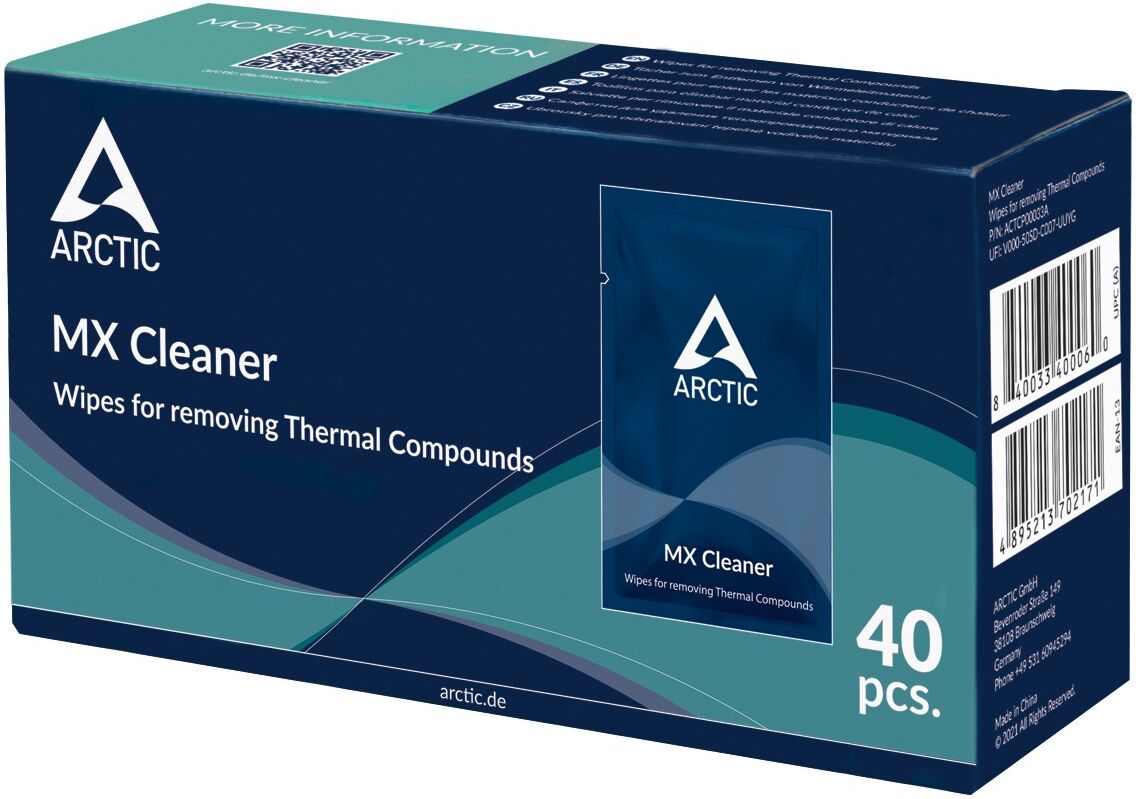
Arctic MX Cleaner - Wipes for removing Thermal Compounds (40 Pieces)ARCTIC MX Cleaner is a box of 40 individually sealed wet wipes for removing old thermal paste from CPUs, GPUs and heatsinks before reapplying compound. The cleaning fluid is limonene-based, derived from citrus oil, and contains no alcohol or benzene, so it is gentle on metals and alloys and leaves no residue. Each wipe is packed airtight to stay moist until it is used.12,99 £*Shipping: 0,00 £Secure redirect to the provider
-
Chicco Sunglasses 5 years+ sunglasses Boy Black/Green 1 pcChicco Sunglasses 5 years+, 1 pc, Supplements for children For Kids, Children’s eyes are far more sensitive to the sun than adults’ eyes, so don’t forget to protect them properly. The Chicco Sunglasses 5 years+ sunglasses will protect your little one’s eyes, whether they’re running around in the countryside or out in town. Characteristics: 100% UVA, UVB and UVC filters incredibly lightweight frames flexible frame; the arms will not break or twist a practical accessory ideal for walks and trips7,60 £*Shipping: 3,99 £Secure redirect to the provider
-
Uplift Treasures Adjustable UV Protection Dog Sunglasses Adjustable UV Protection Dog SunglassesProduct Description: Protect your pets eyes in style with these adjustable dog sunglasses designed for small and medium breeds. Featuring UV protection, a soft comfortable frame, and windproof design, these pet goggles are perfect for outdoor walks,...75,97 $*Shipping: 0,00 $Secure redirect to the provider
-
Inspire Essentials ShadePaw UV Protection Dog Sunglasses ShadePaw UV Protection Dog SunglassesProtect your pets eyes while adding a stylish touch to every outdoor adventure. These dog sunglasses are designed to help shield your pets eyes from sunlight wind and dust during walks rides and outdoor activities. The lightweight soft frame and...34,98 $*Shipping: 0,00 $Secure redirect to the provider
-
How do you distinguish determinative compounds and possessive compounds?
Determinative compounds are formed by combining two words to create a new concept, where the first word determines the meaning of the second word. For example, "blackboard" is a determinative compound where "black" determines the type of "board." Possessive compounds, on the other hand, indicate possession or relationship between the two words. For example, "John's car" is a possessive compound where "John" possesses the "car." In summary, determinative compounds determine the meaning of the second word, while possessive compounds indicate possession or relationship between the two words. **
-
How can one distinguish ionic compounds from molecular compounds?
Ionic compounds are formed from the attraction between positively and negatively charged ions, while molecular compounds are formed from the sharing of electrons between atoms. One way to distinguish between the two is to look at their chemical formulas. Ionic compounds typically consist of a metal and a nonmetal, while molecular compounds consist of nonmetals only. Additionally, ionic compounds tend to have higher melting and boiling points compared to molecular compounds due to their strong electrostatic attractions. Finally, conducting a simple solubility test can also help distinguish between the two types of compounds, as ionic compounds are often soluble in water while molecular compounds may not be. **
-
Can you help me with chemistry? I need information about atomic compounds, metal compounds, and ionic compounds.
Of course! Atomic compounds are formed when two or more non-metal atoms are chemically bonded together, such as in molecules like water (H2O) and carbon dioxide (CO2). Metal compounds are formed when a metal atom is bonded to one or more non-metal atoms, such as in compounds like sodium chloride (NaCl) and iron oxide (Fe2O3). Ionic compounds are formed when a metal atom transfers one or more electrons to a non-metal atom, resulting in the formation of positively and negatively charged ions that are attracted to each other, such as in compounds like sodium chloride (NaCl) and calcium carbonate (CaCO3). Let me know if you need more specific information or examples! **
-
Why do molecular compounds have lower boiling points than ionic compounds?
Molecular compounds have lower boiling points than ionic compounds because the intermolecular forces holding the molecules together are generally weaker than the electrostatic forces holding ions together in ionic compounds. In molecular compounds, the intermolecular forces are typically van der Waals forces, dipole-dipole interactions, or hydrogen bonding, which are weaker than the strong ionic bonds in ionic compounds. As a result, less energy is required to overcome these weaker intermolecular forces, leading to lower boiling points for molecular compounds compared to ionic compounds. **
Similar search terms for Compounds
-
O'Neill 2.0 Sunglasses in TortoiseChannel timeless surf cool with the O'Neill Cloudbreak 2.0 polarized sunglasses, featuring a classic round eye shape paired with a vintage keyhole bridge and sleek beveled streamlined temples. This unisex retro-inspired silhouette brings effortless...69,00 $*Shipping: 0,00 $Secure redirect to the provider
-
Daily Deals Depot Cherry Crush Plunge Crop Top For Women Retro Summer Beachwear black lExperience the playful confidence of early2000s fashion with a flattering Y2K crop top designed to turn heads wherever you go. This charming cherry print top combines sweet vintageinspired style with a daring plunge neckline for the perfect balance...39,97 $*Shipping: 0,00 $Secure redirect to the provider
-
O'Neill 2.0 Sunglasses in CrystalChannel timeless surf cool with the O'Neill Cloudbreak 2.0 polarized sunglasses, featuring a classic round eye shape paired with a vintage keyhole bridge and sleek beveled streamlined temples. This unisex retro-inspired silhouette brings effortless...69,00 $*Shipping: 0,00 $Secure redirect to the provider
-
Daily Deals Depot Cherry Crush Plunge Crop Top For Women Retro Summer Beachwear white mExperience the playful confidence of early2000s fashion with a flattering Y2K crop top designed to turn heads wherever you go. This charming cherry print top combines sweet vintageinspired style with a daring plunge neckline for the perfect balance...39,97 $*Shipping: 0,00 $Secure redirect to the provider
-
What are sodium compounds?
Sodium compounds are chemical compounds that contain sodium as one of their elements. These compounds can be found in various forms, such as sodium chloride (table salt), sodium hydroxide (lye), and sodium bicarbonate (baking soda). Sodium compounds are widely used in industry, agriculture, and everyday life due to their diverse properties and applications. **
-
Name the isomeric compounds.
Isomers are compounds that have the same molecular formula but different structural arrangements. Some examples of isomeric compounds include butane and isobutane, which both have the molecular formula C4H10 but differ in their structural arrangement. Another example is glucose and fructose, which both have the molecular formula C6H12O6 but have different structural arrangements and properties. **
-
What are atomic compounds?
Atomic compounds are chemical compounds that are composed of individual atoms of different elements bonded together. These compounds are held together by chemical bonds, such as ionic or covalent bonds, and do not contain any molecules. Examples of atomic compounds include sodium chloride (NaCl) and water (H2O). Unlike molecular compounds, which are made up of molecules, atomic compounds are made up of individual atoms. **
-
What are molecular compounds?
Molecular compounds are chemical compounds formed by the combination of two or more non-metal atoms. These atoms are held together by covalent bonds, which involve the sharing of electrons. Molecular compounds can exist as discrete molecules, such as water (H2O) and carbon dioxide (CO2), and they typically have lower melting and boiling points compared to ionic compounds. Examples of molecular compounds include methane (CH4), ammonia (NH3), and sulfur dioxide (SO2). **
* All prices are inclusive of VAT and, if applicable, plus shipping costs. The offer information is based on the details provided by the respective shop and is updated through automated processes. Real-time updates do not occur, so deviations can occur in individual cases. ** Note: Parts of this content were created by AI.