Buy palba.eu ?
We are moving the project
palba.eu .
Are you interested in purchasing the domain
palba.eu ?
domain@kv-gmbh.de · 0541-91531010
Buy palba.eu ?
What are self-luminous bodies?
Self-luminous bodies are objects that emit their own light, as opposed to reflecting light from another source. Examples of self-luminous bodies include stars, the sun, and certain types of light bulbs. These objects generate their own energy through processes like nuclear fusion or electrical current, which produces light as a byproduct. **
Is the luminous clock radioactive?
No, the luminous clock is not radioactive. The luminescence in the clock is typically achieved using a phosphorescent material that absorbs light and then slowly releases it over time. This process does not involve any radioactive materials. The glow from the clock is simply a result of this light-absorption and emission process. **


Similar search terms for Barski-Luminous-Highball-Glasses
Top-Angebote
Products related to Barski-Luminous-Highball-Glasses:
-
Dartington Exmoor Set Of 2 Highball GlassesServe long drinks or cocktails in this set of two Dartington Exmoor Lead Crystal Highball Glasses. Handmade in England from high quality crystal glass, these Highball Glasses have a beautifully simplistic design with a hefty weight and quality feel and the bases feature a unique bubble that defines the Exmoor collection. Each Highball Glass has a capacity of 390ml and a height of 165mm. Suitable for use in the dishwasher.55,00 £*Shipping: 0,00 £Secure redirect to the provider
-
Dartington Cheers! Set Of 4 Highball GlassesUpgrade your drink experience with the Dartington Cheers! Set of 4 Highball Glasses. Whether you're sipping cocktails or enjoying a refreshing G&T,; these high-quality crystal tumblers are your versatile companions. Impress your guests with the sophistication and elegance of this glassware collection. These glasses are meticulously crafted from lead-free crystal, ensuring both style and safety. Plus, they're a breeze to clean as they are dishwasher safe. With a generous 500ml capacity and elegant dimensions of H140mm x W85mm, these highball glasses are the epitome of both form and function.15,00 £*Shipping: 3,50 £Secure redirect to the provider
-
Dartington Six Set Of 6 Highball GlassesIntroducing the Dartington Six Set of 6 Highball Glasses - a blend of sophistication and practicality for every occasion. Crafted from exquisite crystal glass, these highballs feature a modern, eye-catching design that complements a variety of beverages, from refreshing soft drinks to classic cocktails like the iconic G&T. Whether; for your personal collection or a thoughtful gift, these highballs are a versatile choice. Plus, they're conveniently dishwasher safe for easy maintenance. With a generous capacity of 500ml and dimensions of H144mm x W79mm, they're both elegant and functional additions to your glassware collection.24,00 £*Shipping: 3,50 £Secure redirect to the provider
-
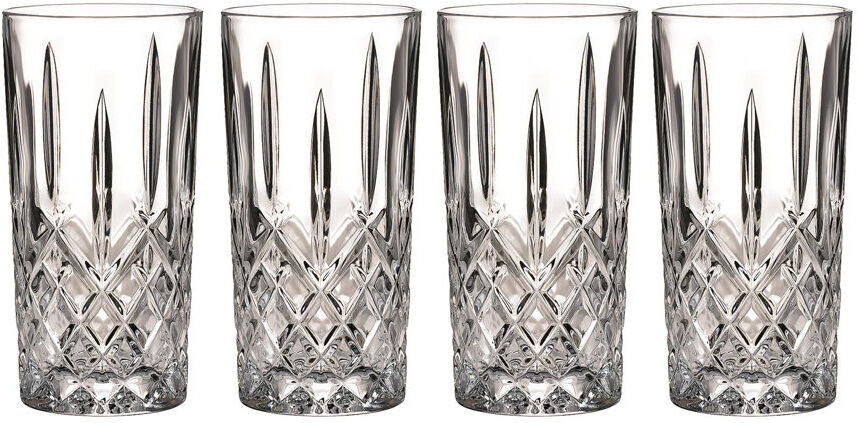
Waterford, Marquis Markham - Highball Glasses Clear 384mlThe Markham Collection combines traditional-style cutting and quality with Marquis's value. Markham lends an air of sophistication to any event, with stemware featuring a classic cut pattern design and sculpted stems. Lend an air of sophistication to any event with this HiBall Set. Perfect to serve a mouthwatering gin and tonic, scotch and soda, or a refreshing glass of water. Brand Name: Waterford.60,00 £*Shipping: 0,00 £Secure redirect to the provider


-
What is a luminous point?
A luminous point is a theoretical concept used in physics and optics to represent a source of light that emits light in all directions. It is often used as a simplification in the study of light and its behavior, allowing for easier calculations and analysis. In reality, a luminous point does not exist as a physical object, but it is a useful tool for understanding the behavior of light in various systems. **
-
Why is the luminous intensity and not the luminous flux specified for reflector lamps?
The luminous intensity is specified for reflector lamps because it measures the amount of light emitted in a specific direction, which is important for directional lighting applications such as spotlights and floodlights. Reflectors are designed to control and direct light in a specific direction, so specifying luminous intensity helps to ensure that the lamp is suitable for its intended purpose. Luminous flux, on the other hand, measures the total amount of visible light emitted by a source in all directions, which may not be as relevant for reflector lamps where the focus is on directing light in a specific direction. **
-
What is the difference between a self-luminous and an externally luminous object in physics?
In physics, a self-luminous object is one that produces its own light, such as the sun or a light bulb. These objects emit light due to internal processes, such as nuclear fusion or electrical excitation. On the other hand, an externally luminous object is one that reflects light from another source, such as the moon or a mirror. These objects do not produce their own light but appear illuminated due to the light they reflect from another source. **
-
How do you calculate luminous flux?
Luminous flux is calculated by multiplying the illuminance (in lux) by the area over which the light is distributed. The formula for calculating luminous flux is: Luminous flux (in lumens) = illuminance (in lux) × area (in square meters) This formula takes into account the intensity of the light (illuminance) and the size of the area over which the light is spread to determine the total luminous flux emitted by the light source. **

What are self-luminous celestial bodies?
Self-luminous celestial bodies are objects in space that emit their own light and heat. This includes stars, which generate energy through nuclear fusion in their cores, as well as other luminous objects such as brown dwarfs and hot gas giants. These bodies are able to shine and be visible from Earth due to the light they produce, unlike non-luminous celestial bodies such as planets and moons, which reflect light from the Sun. **
What are Genshin Impact Luminous Crystals?
Genshin Impact Luminous Crystals are a type of valuable resource that can be found in the game world of Teyvat. They are used for crafting and upgrading weapons, as well as for character ascension. Luminous Crystals come in different elemental varieties, such as Anemo, Geo, Electro, and so on, and players can collect them by mining or defeating certain enemies. These crystals are essential for progressing and strengthening characters and equipment in Genshin Impact. **
Top-Angebote
Products related to Barski-Luminous-Highball-Glasses:
-
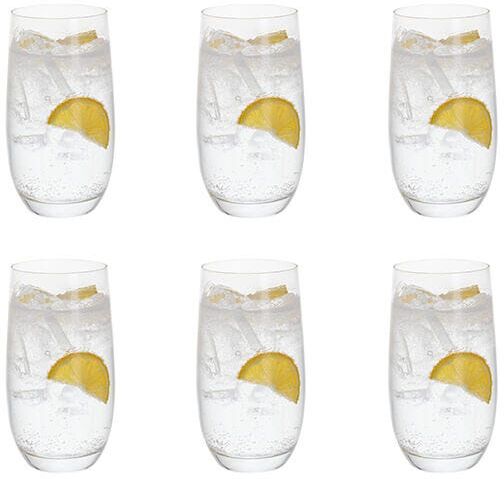
Barski Luminous Highball Glasses, 11 Oz., Set of 6Since 1997, Barski has been dedicated to enhancing everyday life through timeless design and exceptional quality. With a legacy rooted in craftsmanship and elegance, each piece is thoughtfully created to add sophistication and meaning to your moments.68,49 $*Shipping: 0,00 $Secure redirect to the provider
-
Dartington Dimple Set Of 2 Highball GlassesThis set of two Dartington Dimple Lead Crystal Highball Glasses is ideal for serving long drinks and cocktails in style. Featuring a chunky, weighty base with an attractive and distinctive dimple from which the range gets its name, these Highball Glasses are handmade in England from high quality crystal glass. Each Highball has a capacity of 370ml and a height of 165mm. Suitable for washing by hand.55,00 £*Shipping: 0,00 £Secure redirect to the provider
-
Dartington Exmoor Set Of 2 Highball GlassesServe long drinks or cocktails in this set of two Dartington Exmoor Lead Crystal Highball Glasses. Handmade in England from high quality crystal glass, these Highball Glasses have a beautifully simplistic design with a hefty weight and quality feel and the bases feature a unique bubble that defines the Exmoor collection. Each Highball Glass has a capacity of 390ml and a height of 165mm. Suitable for use in the dishwasher.55,00 £*Shipping: 0,00 £Secure redirect to the provider
-
Dartington Cheers! Set Of 4 Highball GlassesUpgrade your drink experience with the Dartington Cheers! Set of 4 Highball Glasses. Whether you're sipping cocktails or enjoying a refreshing G&T,; these high-quality crystal tumblers are your versatile companions. Impress your guests with the sophistication and elegance of this glassware collection. These glasses are meticulously crafted from lead-free crystal, ensuring both style and safety. Plus, they're a breeze to clean as they are dishwasher safe. With a generous 500ml capacity and elegant dimensions of H140mm x W85mm, these highball glasses are the epitome of both form and function.15,00 £*Shipping: 3,50 £Secure redirect to the provider
-
What are self-luminous bodies?
Self-luminous bodies are objects that emit their own light, as opposed to reflecting light from another source. Examples of self-luminous bodies include stars, the sun, and certain types of light bulbs. These objects generate their own energy through processes like nuclear fusion or electrical current, which produces light as a byproduct. **
-
Is the luminous clock radioactive?
No, the luminous clock is not radioactive. The luminescence in the clock is typically achieved using a phosphorescent material that absorbs light and then slowly releases it over time. This process does not involve any radioactive materials. The glow from the clock is simply a result of this light-absorption and emission process. **
-
What is a luminous point?
A luminous point is a theoretical concept used in physics and optics to represent a source of light that emits light in all directions. It is often used as a simplification in the study of light and its behavior, allowing for easier calculations and analysis. In reality, a luminous point does not exist as a physical object, but it is a useful tool for understanding the behavior of light in various systems. **
-
Why is the luminous intensity and not the luminous flux specified for reflector lamps?
The luminous intensity is specified for reflector lamps because it measures the amount of light emitted in a specific direction, which is important for directional lighting applications such as spotlights and floodlights. Reflectors are designed to control and direct light in a specific direction, so specifying luminous intensity helps to ensure that the lamp is suitable for its intended purpose. Luminous flux, on the other hand, measures the total amount of visible light emitted by a source in all directions, which may not be as relevant for reflector lamps where the focus is on directing light in a specific direction. **
Similar search terms for Barski-Luminous-Highball-Glasses
-
Dartington Six Set Of 6 Highball GlassesIntroducing the Dartington Six Set of 6 Highball Glasses - a blend of sophistication and practicality for every occasion. Crafted from exquisite crystal glass, these highballs feature a modern, eye-catching design that complements a variety of beverages, from refreshing soft drinks to classic cocktails like the iconic G&T. Whether; for your personal collection or a thoughtful gift, these highballs are a versatile choice. Plus, they're conveniently dishwasher safe for easy maintenance. With a generous capacity of 500ml and dimensions of H144mm x W79mm, they're both elegant and functional additions to your glassware collection.24,00 £*Shipping: 3,50 £Secure redirect to the provider
-
Waterford, Marquis Markham - Highball Glasses Clear 384mlThe Markham Collection combines traditional-style cutting and quality with Marquis's value. Markham lends an air of sophistication to any event, with stemware featuring a classic cut pattern design and sculpted stems. Lend an air of sophistication to any event with this HiBall Set. Perfect to serve a mouthwatering gin and tonic, scotch and soda, or a refreshing glass of water. Brand Name: Waterford.60,00 £*Shipping: 0,00 £Secure redirect to the provider
-
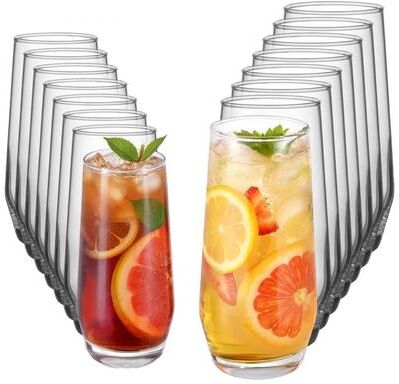
Tools, Home & Hobby Drinking Glasses Set With Highball & Cocktail Crystal Glassware Drinking Glasses Set With Highball & Cocktail Crystal GlasswareTurn everyday drinks into a more elegant experience with this beautifully crafted glassware set designed for modern homes and memorable gatherings. Featuring 16 crystalclear glasses in two versatile sizes, this set is perfect for serving cocktails,...97,97 $*Shipping: 0,00 $Secure redirect to the provider
-
Barski Sparkle Crystal Red Wine Glasses (Set of 4)This set of 4 hand cut and mouth blown crystal wine glasses 16oz., decorated with genuine crystal elements are a beauty both in quality and style. Includes a stunning gift box that makes wrapping unnecessary.149,99 $*Shipping: 0,00 $Secure redirect to the provider
-
What is the difference between a self-luminous and an externally luminous object in physics?
In physics, a self-luminous object is one that produces its own light, such as the sun or a light bulb. These objects emit light due to internal processes, such as nuclear fusion or electrical excitation. On the other hand, an externally luminous object is one that reflects light from another source, such as the moon or a mirror. These objects do not produce their own light but appear illuminated due to the light they reflect from another source. **
-
How do you calculate luminous flux?
Luminous flux is calculated by multiplying the illuminance (in lux) by the area over which the light is distributed. The formula for calculating luminous flux is: Luminous flux (in lumens) = illuminance (in lux) × area (in square meters) This formula takes into account the intensity of the light (illuminance) and the size of the area over which the light is spread to determine the total luminous flux emitted by the light source. **
-
What are self-luminous celestial bodies?
Self-luminous celestial bodies are objects in space that emit their own light and heat. This includes stars, which generate energy through nuclear fusion in their cores, as well as other luminous objects such as brown dwarfs and hot gas giants. These bodies are able to shine and be visible from Earth due to the light they produce, unlike non-luminous celestial bodies such as planets and moons, which reflect light from the Sun. **
-
What are Genshin Impact Luminous Crystals?
Genshin Impact Luminous Crystals are a type of valuable resource that can be found in the game world of Teyvat. They are used for crafting and upgrading weapons, as well as for character ascension. Luminous Crystals come in different elemental varieties, such as Anemo, Geo, Electro, and so on, and players can collect them by mining or defeating certain enemies. These crystals are essential for progressing and strengthening characters and equipment in Genshin Impact. **
* All prices are inclusive of VAT and, if applicable, plus shipping costs. The offer information is based on the details provided by the respective shop and is updated through automated processes. Real-time updates do not occur, so deviations can occur in individual cases. ** Note: Parts of this content were created by AI.