Buy palba.eu ?
We are moving the project
palba.eu .
Are you interested in purchasing the domain
palba.eu ?
domain@kv-gmbh.de · 0541-91531010
Buy palba.eu ?
What are the differences between respiratory muscles and accessory respiratory muscles?
Respiratory muscles are the primary muscles involved in the process of breathing, including the diaphragm and intercostal muscles. These muscles are essential for the expansion and contraction of the lungs during inhalation and exhalation. On the other hand, accessory respiratory muscles are secondary muscles that can assist in breathing when the primary respiratory muscles are under increased demand or compromised. Accessory respiratory muscles include muscles in the neck, shoulders, and chest, and they help to further expand the chest cavity and aid in breathing during times of increased respiratory effort or when there is airway obstruction. **
What is respiratory depression?
Respiratory depression is a condition in which a person's breathing becomes dangerously slow or shallow, leading to decreased oxygen levels in the blood. This can be caused by the use of certain medications, such as opioids or sedatives, which can suppress the body's natural drive to breathe. Respiratory depression can be life-threatening and requires immediate medical attention. Symptoms may include confusion, drowsiness, and bluish skin or lips. **
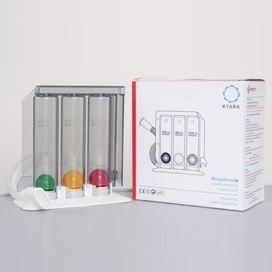

Similar search terms for Anota-Triflo-II-Respiratory
Top-Angebote
Products related to Anota-Triflo-II-Respiratory:
-
Anota pulsioximetro BeurerHealth and Beauty Orthopedics Anota pulsioximetro Beurer - Measurement of the oxygen concentration and heart rate - Color display with 4 prospects - Graphical display pulse - Metal case with strap and belt included - Small and light: for home and travel - Suitable for people with: heart failure, chronic obstructive pulmonary disease, bronchial asthma and high sports - Batteries (2xAAA) included - Dimensions: 3,6x6,1x3,225,66 £*Shipping: 4,99 £Secure redirect to the provider
-
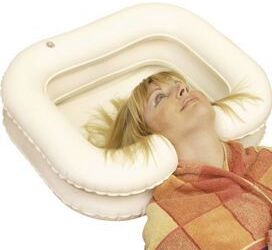
Anota Wc Lift Record with Brazos aon cover 5-10-15cm AnotaHealth and Beauty Orthopedics Anota Wc Lift Record with Brazos aon cover 5-10-15cm Anota It incorporates folding armrest can be adjusted to 3 different heights and also can be adjusted in inclination. ,. It provides maximum security as this elevator is mounted directly into the holes that have the toilet bowls. - Adjustable Height 5 -10 or 15 cm. - Overall width 54 cm. - 42.5 cm Width between arms. - Maximum weight 100 kg bearing120,59 £*Shipping: 4,99 £Secure redirect to the provider
-
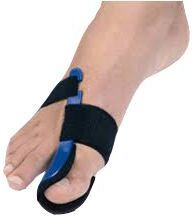
Anota Bunion Corrector Night MHealth and Beauty Orthopedics Anota Bunion Corrector Night M Thermoplastic hallux-valgus night corrector -Position the first finger. -Closure with micro-hook incorporates a shock-absorbing pad, achieving a progressive alignment of the soft tissues and joints.12,39 £*Shipping: 3,99 £Secure redirect to the provider

-
What is the respiratory quotient?
The respiratory quotient (RQ) is a ratio that represents the amount of carbon dioxide produced to the amount of oxygen consumed during cellular respiration. It provides information about the type of fuel being used by the body for energy production. An RQ of 1 indicates that carbohydrates are the primary fuel source, while an RQ of 0.7 indicates that fats are being used. The RQ can vary depending on the metabolic state of an individual, such as during exercise or fasting. **
-
What is the respiratory chain?
The respiratory chain is a series of protein complexes located in the inner mitochondrial membrane that are involved in the production of ATP, the cell's main energy source. These complexes work together to transfer electrons from molecules like NADH and FADH2 to oxygen, generating a proton gradient across the membrane. This proton gradient is used by ATP synthase to produce ATP through a process called oxidative phosphorylation. The respiratory chain is a crucial component of cellular respiration and plays a key role in generating energy for various cellular processes. **
-
What is the respiratory system?
The respiratory system is a network of organs and tissues that work together to help us breathe. It includes the nose, mouth, throat, voice box, windpipe, and lungs. The main function of the respiratory system is to take in oxygen from the air and expel carbon dioxide, a waste product of the body's cells. This process is essential for the body to function properly and for the cells to produce energy. **
-
Can you dye respiratory masks?
Yes, you can dye respiratory masks, but it is important to use dyes that are safe and non-toxic, as the mask will be worn close to the face and may come into contact with the skin. It is also important to follow the manufacturer's instructions for washing and care, as some dyes may affect the effectiveness of the mask's filtration. Additionally, be mindful of any regulations or guidelines regarding the coloring of respiratory masks, especially if they are being used in a professional or medical setting. **

What exactly is a respiratory mask?
A respiratory mask is a protective device that covers the nose and mouth to help filter out harmful particles in the air. It is commonly used to prevent the inhalation of pollutants, allergens, and infectious agents, such as viruses and bacteria. Respiratory masks come in various forms, including disposable masks, cloth masks, and respirators, with different levels of filtration efficiency. They are essential for maintaining good respiratory health, especially in environments with poor air quality or during outbreaks of respiratory illnesses. **
What does the respiratory rate indicate?
The respiratory rate indicates how many breaths a person takes per minute. It is an important vital sign that can provide information about a person's overall health and lung function. A normal respiratory rate for adults is typically between 12-20 breaths per minute. Changes in respiratory rate can indicate various medical conditions such as respiratory distress, lung disease, or infections. Monitoring respiratory rate is crucial in assessing a person's respiratory status and response to treatment. **
Top-Angebote
Products related to Anota-Triflo-II-Respiratory:
-
Anota Triflo II Respiratory ApparatusHealth and Beauty Orthopedics Anota Triflo II Respiratory Apparatus The Triflo is a respiratory incentive spirometer. It strengthens respiratory muscles and is indicated for patients with chronic bronchitis. Instructions for use: - Get into a semi-sitting or sitting position - Position the Spirometric Incentive (triflo) at face level - Exhale normally, sealing your lips around the Triflo mouthpiece - Breathe slowly and deeply to raise 1 or 2 cylinders and hold the inspiration without the cylinders falling for a few seconds (up to 6 seconds) - Repeat the procedure 10 to 15 times every hour.15,75 £*Shipping: 4,99 £Secure redirect to the provider
-
Anota pulsioximetro BeurerHealth and Beauty Orthopedics Anota pulsioximetro Beurer - Measurement of the oxygen concentration and heart rate - Color display with 4 prospects - Graphical display pulse - Metal case with strap and belt included - Small and light: for home and travel - Suitable for people with: heart failure, chronic obstructive pulmonary disease, bronchial asthma and high sports - Batteries (2xAAA) included - Dimensions: 3,6x6,1x3,225,66 £*Shipping: 4,99 £Secure redirect to the provider
-
Anota Wc Lift Record with Brazos aon cover 5-10-15cm AnotaHealth and Beauty Orthopedics Anota Wc Lift Record with Brazos aon cover 5-10-15cm Anota It incorporates folding armrest can be adjusted to 3 different heights and also can be adjusted in inclination. ,. It provides maximum security as this elevator is mounted directly into the holes that have the toilet bowls. - Adjustable Height 5 -10 or 15 cm. - Overall width 54 cm. - 42.5 cm Width between arms. - Maximum weight 100 kg bearing120,59 £*Shipping: 4,99 £Secure redirect to the provider
-
What are the differences between respiratory muscles and accessory respiratory muscles?
Respiratory muscles are the primary muscles involved in the process of breathing, including the diaphragm and intercostal muscles. These muscles are essential for the expansion and contraction of the lungs during inhalation and exhalation. On the other hand, accessory respiratory muscles are secondary muscles that can assist in breathing when the primary respiratory muscles are under increased demand or compromised. Accessory respiratory muscles include muscles in the neck, shoulders, and chest, and they help to further expand the chest cavity and aid in breathing during times of increased respiratory effort or when there is airway obstruction. **
-
What is respiratory depression?
Respiratory depression is a condition in which a person's breathing becomes dangerously slow or shallow, leading to decreased oxygen levels in the blood. This can be caused by the use of certain medications, such as opioids or sedatives, which can suppress the body's natural drive to breathe. Respiratory depression can be life-threatening and requires immediate medical attention. Symptoms may include confusion, drowsiness, and bluish skin or lips. **
-
What is the respiratory quotient?
The respiratory quotient (RQ) is a ratio that represents the amount of carbon dioxide produced to the amount of oxygen consumed during cellular respiration. It provides information about the type of fuel being used by the body for energy production. An RQ of 1 indicates that carbohydrates are the primary fuel source, while an RQ of 0.7 indicates that fats are being used. The RQ can vary depending on the metabolic state of an individual, such as during exercise or fasting. **
-
What is the respiratory chain?
The respiratory chain is a series of protein complexes located in the inner mitochondrial membrane that are involved in the production of ATP, the cell's main energy source. These complexes work together to transfer electrons from molecules like NADH and FADH2 to oxygen, generating a proton gradient across the membrane. This proton gradient is used by ATP synthase to produce ATP through a process called oxidative phosphorylation. The respiratory chain is a crucial component of cellular respiration and plays a key role in generating energy for various cellular processes. **
Similar search terms for Anota-Triflo-II-Respiratory
-
Anota Bunion Corrector Night MHealth and Beauty Orthopedics Anota Bunion Corrector Night M Thermoplastic hallux-valgus night corrector -Position the first finger. -Closure with micro-hook incorporates a shock-absorbing pad, achieving a progressive alignment of the soft tissues and joints.12,39 £*Shipping: 3,99 £Secure redirect to the provider
-
Anota Long Arm Cast CoverHealth and Beauty Orthopedics Anota Long Arm Cast Cover The cast cover consists of a cinching appendage with a Velcro closure to ensure its secure fit. It is white. Suitable for protecting the cast or bandage of the indicated limb. Insert the casted or bandaged arm into the protector until the area to be protected is covered. Close with the tape, applying the necessary pressure to prevent water from entering.10,83 £*Shipping: 4,99 £Secure redirect to the provider
-
What is the respiratory system?
The respiratory system is a network of organs and tissues that work together to help us breathe. It includes the nose, mouth, throat, voice box, windpipe, and lungs. The main function of the respiratory system is to take in oxygen from the air and expel carbon dioxide, a waste product of the body's cells. This process is essential for the body to function properly and for the cells to produce energy. **
-
Can you dye respiratory masks?
Yes, you can dye respiratory masks, but it is important to use dyes that are safe and non-toxic, as the mask will be worn close to the face and may come into contact with the skin. It is also important to follow the manufacturer's instructions for washing and care, as some dyes may affect the effectiveness of the mask's filtration. Additionally, be mindful of any regulations or guidelines regarding the coloring of respiratory masks, especially if they are being used in a professional or medical setting. **
-
What exactly is a respiratory mask?
A respiratory mask is a protective device that covers the nose and mouth to help filter out harmful particles in the air. It is commonly used to prevent the inhalation of pollutants, allergens, and infectious agents, such as viruses and bacteria. Respiratory masks come in various forms, including disposable masks, cloth masks, and respirators, with different levels of filtration efficiency. They are essential for maintaining good respiratory health, especially in environments with poor air quality or during outbreaks of respiratory illnesses. **
-
What does the respiratory rate indicate?
The respiratory rate indicates how many breaths a person takes per minute. It is an important vital sign that can provide information about a person's overall health and lung function. A normal respiratory rate for adults is typically between 12-20 breaths per minute. Changes in respiratory rate can indicate various medical conditions such as respiratory distress, lung disease, or infections. Monitoring respiratory rate is crucial in assessing a person's respiratory status and response to treatment. **
* All prices are inclusive of VAT and, if applicable, plus shipping costs. The offer information is based on the details provided by the respective shop and is updated through automated processes. Real-time updates do not occur, so deviations can occur in individual cases. ** Note: Parts of this content were created by AI.