Buy palba.eu ?
We are moving the project
palba.eu .
Are you interested in purchasing the domain
palba.eu ?
domain@kv-gmbh.de · 0541-91531010
Buy palba.eu ?
How do I become an anesthesiologist?
To become an anesthesiologist, you will need to complete a bachelor's degree, preferably in a science-related field, followed by medical school to earn a Doctor of Medicine (MD) or Doctor of Osteopathic Medicine (DO) degree. After medical school, you will need to complete a residency program in anesthesiology, which typically lasts four years. Finally, you will need to obtain a state medical license and pass the board certification exam in anesthesiology to practice as a licensed anesthesiologist. **
Is the profession of anesthesiologist interesting?
Yes, the profession of anesthesiologist is interesting as it involves a combination of medical knowledge, technical skills, and the ability to make quick decisions in high-pressure situations. Anesthesiologists play a crucial role in ensuring the safety and comfort of patients during surgical procedures, and they must stay up-to-date with the latest advancements in anesthesia techniques and medications. Additionally, anesthesiologists often work closely with other medical professionals, making the profession dynamic and collaborative. Overall, the field of anesthesiology offers a challenging and rewarding career for those interested in medicine and patient care. **


Similar search terms for Anesthesiologist
Top-Angebote
Products related to Anesthesiologist:
-
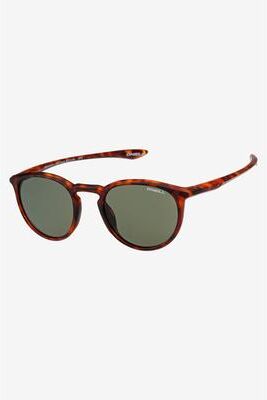
O'Neill 2.0 Sunglasses in TortoiseChannel timeless surf cool with the O'Neill Cloudbreak 2.0 polarized sunglasses, featuring a classic round eye shape paired with a vintage keyhole bridge and sleek beveled streamlined temples. This unisex retro-inspired silhouette brings effortless...69,00 $*Shipping: 0,00 $Secure redirect to the provider
-
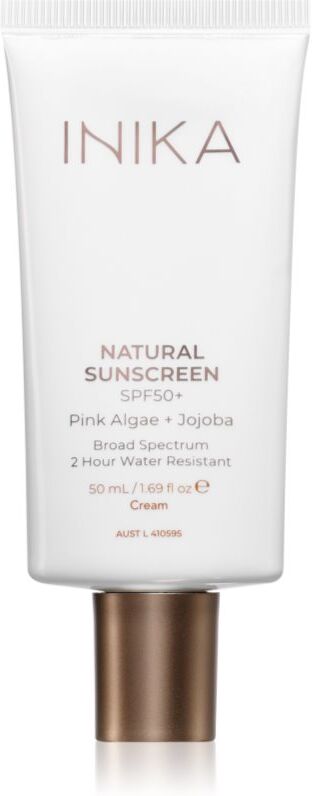
INIKA Organic Natural Sunscreen SPF 50+ sunscreen SPF 50+ 50 mlINIKA Organic Natural Sunscreen SPF 50+, 50 ml, Protection against Sunlight for Women, Protect your skin against premature ageing and other damage caused by sun exposure. The delicate skin on your face is far more sensitive than the skin on the rest of your body and is exposed to the sun all year round – another reason why it is important not to neglect skin protection. The INIKA Organic Natural Sunscreen SPF 50+ is a sunscreen that reliably protects your skin against UV rays and helps you prevent not just sunburn and pigment spots, but also reduced skin elasticity, collagen loss and other signs of skin ageing. Characteristics: protects skin against UVA and UVB radiation moisturises intensely is absorbed quickly nourishes skin easy to spread without leaving an oily film strengthens the skin barrier Ingredients: vegan product vitamin E – nourishes, provides antioxidant protection against premature ageing and damage caused by free radicals, helps smooth wrinkles and restore skin firmness and elasticity coconut oil – contains a large amount of antioxidants, helps prevent wrinkles and premature skin aging, intensively nourishes, softens and promotes hydration, regeneration and soothing of skin jojoba oil – keeps skin intensely hydrated, provides antioxidant protection, counteracts irritation and dryness, helps regulate sebum production and promotes regeneration How to use: Apply sun protection generously.32,73 £*Shipping: 3,99 £Secure redirect to the provider
-
INIKA Organic Tinted Natural Sunscreen toning sunscreen SPF 50+ 50 mlINIKA Organic Tinted Natural Sunscreen, 50 ml, Protection against Sunlight for Women, Protect your skin against premature ageing and other damage caused by sun exposure. The delicate skin on your face is far more sensitive than the skin on the rest of your body and is exposed to the sun all year round – another reason why it is important not to neglect skin protection. The INIKA Organic Tinted Natural Sunscreen is a sunscreen that reliably protects your skin against UV rays and helps you prevent not just sunburn and pigment spots, but also reduced skin elasticity, collagen loss and other signs of skin ageing. Characteristics: protects skin against UVA and UVB radiation is absorbed quickly nourishes skin hydrates and nourishes Ingredients: vegan product vitamin E – nourishes, provides antioxidant protection against premature ageing and damage caused by free radicals, helps smooth wrinkles and restore skin firmness and elasticity coconut oil – contains a large amount of antioxidants, helps prevent wrinkles and premature skin aging, intensively nourishes, softens and promotes hydration, regeneration and soothing of skin jojoba oil – keeps skin intensely hydrated, provides antioxidant protection, counteracts irritation and dryness, helps regulate sebum production and promotes regeneration How to use: Apply to clean skin before sun exposure.31,87 £*Shipping: 3,99 £Secure redirect to the provider
-
O'Neill 2.0 Sunglasses in Matte BlackEffortlessly cool, the O'Neill Coastline 2.0 men's polarized sunglasses feature a subtle square front with a vintage keyhole bridge that gives this frame a refined heritage edge. Versatile enough for everyday wear yet distinctive enough to make a...89,00 $*Shipping: 0,00 $Secure redirect to the provider


-
What skills are required for an anesthesiologist?
Anesthesiologists need a strong foundation in medical knowledge, including pharmacology, physiology, and anatomy. They must have excellent critical thinking and problem-solving skills to make quick decisions in high-pressure situations. Communication skills are also crucial as they need to effectively communicate with patients, surgical teams, and other healthcare professionals. Attention to detail, manual dexterity, and the ability to stay calm under stress are also important skills for an anesthesiologist. **
-
How long does it take to become an anesthesiologist?
Becoming an anesthesiologist typically takes around 12 years of education and training after high school. This includes 4 years of undergraduate study, 4 years of medical school, and 4 years of residency training in anesthesiology. Some anesthesiologists may also choose to pursue additional fellowship training in a specialized area of anesthesiology, which can add 1-2 more years to the process. Overall, the path to becoming an anesthesiologist is a long and rigorous one, but it ultimately leads to a rewarding and fulfilling career in medicine. **
-
What did the anesthesiologist give me before the actual general anesthesia?
Before the actual general anesthesia, the anesthesiologist likely gave you a pre-anesthetic medication to help you relax and reduce anxiety. This medication may have been administered through an IV or as a pill. The purpose of this pre-anesthetic medication is to make the induction of general anesthesia smoother and to help you feel more comfortable before the procedure. It may also have some pain-relieving properties to help manage any discomfort during the transition to general anesthesia. **
-
Does the anesthesiologist regularly monitor the depth of anesthesia during the surgery?
Yes, the anesthesiologist regularly monitors the depth of anesthesia during surgery to ensure the patient remains at an appropriate level of unconsciousness. This is typically done using a combination of clinical assessment, monitoring of vital signs, and specialized equipment such as anesthetic gas analyzers and depth of anesthesia monitors. By closely monitoring the depth of anesthesia, the anesthesiologist can make adjustments to the anesthesia delivery to ensure the patient's safety and comfort throughout the procedure. **

How much does an anesthesiologist earn and how many hours does he work?
An anesthesiologist in the United States earns an average annual salary of around $270,000, according to the Bureau of Labor Statistics. Anesthesiologists typically work long and irregular hours, often exceeding 40 hours per week. They may be required to work nights, weekends, and holidays, and may also be on call for emergencies. The demanding nature of the job and the extensive education and training required contribute to the high salary and long hours of work for anesthesiologists. **
Should one rather turn to an anesthesiologist or an intensive care nurse in case of emergency?
In case of an emergency, it is generally recommended to turn to an anesthesiologist as they are specialized in administering anesthesia and managing pain during surgical procedures. An anesthesiologist is trained to handle critical situations and can provide immediate medical intervention if needed. However, an intensive care nurse also plays a crucial role in monitoring and caring for critically ill patients, so they can also provide valuable support in emergency situations. Ultimately, the decision may depend on the specific needs of the situation and the availability of medical professionals. **
Top-Angebote
Products related to Anesthesiologist:
-
Inspire Essentials ShadePaw UV Protection Dog Sunglasses ShadePaw UV Protection Dog SunglassesProtect your pets eyes while adding a stylish touch to every outdoor adventure. These dog sunglasses are designed to help shield your pets eyes from sunlight wind and dust during walks rides and outdoor activities. The lightweight soft frame and...34,98 $*Shipping: 0,00 $Secure redirect to the provider
-
Uplift Treasures Adjustable UV Protection Dog Sunglasses Adjustable UV Protection Dog SunglassesProduct Description: Protect your pets eyes in style with these adjustable dog sunglasses designed for small and medium breeds. Featuring UV protection, a soft comfortable frame, and windproof design, these pet goggles are perfect for outdoor walks,...75,97 $*Shipping: 0,00 $Secure redirect to the provider
-
O'Neill 2.0 Sunglasses in TortoiseChannel timeless surf cool with the O'Neill Cloudbreak 2.0 polarized sunglasses, featuring a classic round eye shape paired with a vintage keyhole bridge and sleek beveled streamlined temples. This unisex retro-inspired silhouette brings effortless...69,00 $*Shipping: 0,00 $Secure redirect to the provider
-
INIKA Organic Natural Sunscreen SPF 50+ sunscreen SPF 50+ 50 mlINIKA Organic Natural Sunscreen SPF 50+, 50 ml, Protection against Sunlight for Women, Protect your skin against premature ageing and other damage caused by sun exposure. The delicate skin on your face is far more sensitive than the skin on the rest of your body and is exposed to the sun all year round – another reason why it is important not to neglect skin protection. The INIKA Organic Natural Sunscreen SPF 50+ is a sunscreen that reliably protects your skin against UV rays and helps you prevent not just sunburn and pigment spots, but also reduced skin elasticity, collagen loss and other signs of skin ageing. Characteristics: protects skin against UVA and UVB radiation moisturises intensely is absorbed quickly nourishes skin easy to spread without leaving an oily film strengthens the skin barrier Ingredients: vegan product vitamin E – nourishes, provides antioxidant protection against premature ageing and damage caused by free radicals, helps smooth wrinkles and restore skin firmness and elasticity coconut oil – contains a large amount of antioxidants, helps prevent wrinkles and premature skin aging, intensively nourishes, softens and promotes hydration, regeneration and soothing of skin jojoba oil – keeps skin intensely hydrated, provides antioxidant protection, counteracts irritation and dryness, helps regulate sebum production and promotes regeneration How to use: Apply sun protection generously.32,73 £*Shipping: 3,99 £Secure redirect to the provider
-
How do I become an anesthesiologist?
To become an anesthesiologist, you will need to complete a bachelor's degree, preferably in a science-related field, followed by medical school to earn a Doctor of Medicine (MD) or Doctor of Osteopathic Medicine (DO) degree. After medical school, you will need to complete a residency program in anesthesiology, which typically lasts four years. Finally, you will need to obtain a state medical license and pass the board certification exam in anesthesiology to practice as a licensed anesthesiologist. **
-
Is the profession of anesthesiologist interesting?
Yes, the profession of anesthesiologist is interesting as it involves a combination of medical knowledge, technical skills, and the ability to make quick decisions in high-pressure situations. Anesthesiologists play a crucial role in ensuring the safety and comfort of patients during surgical procedures, and they must stay up-to-date with the latest advancements in anesthesia techniques and medications. Additionally, anesthesiologists often work closely with other medical professionals, making the profession dynamic and collaborative. Overall, the field of anesthesiology offers a challenging and rewarding career for those interested in medicine and patient care. **
-
What skills are required for an anesthesiologist?
Anesthesiologists need a strong foundation in medical knowledge, including pharmacology, physiology, and anatomy. They must have excellent critical thinking and problem-solving skills to make quick decisions in high-pressure situations. Communication skills are also crucial as they need to effectively communicate with patients, surgical teams, and other healthcare professionals. Attention to detail, manual dexterity, and the ability to stay calm under stress are also important skills for an anesthesiologist. **
-
How long does it take to become an anesthesiologist?
Becoming an anesthesiologist typically takes around 12 years of education and training after high school. This includes 4 years of undergraduate study, 4 years of medical school, and 4 years of residency training in anesthesiology. Some anesthesiologists may also choose to pursue additional fellowship training in a specialized area of anesthesiology, which can add 1-2 more years to the process. Overall, the path to becoming an anesthesiologist is a long and rigorous one, but it ultimately leads to a rewarding and fulfilling career in medicine. **
Similar search terms for Anesthesiologist
-
INIKA Organic Tinted Natural Sunscreen toning sunscreen SPF 50+ 50 mlINIKA Organic Tinted Natural Sunscreen, 50 ml, Protection against Sunlight for Women, Protect your skin against premature ageing and other damage caused by sun exposure. The delicate skin on your face is far more sensitive than the skin on the rest of your body and is exposed to the sun all year round – another reason why it is important not to neglect skin protection. The INIKA Organic Tinted Natural Sunscreen is a sunscreen that reliably protects your skin against UV rays and helps you prevent not just sunburn and pigment spots, but also reduced skin elasticity, collagen loss and other signs of skin ageing. Characteristics: protects skin against UVA and UVB radiation is absorbed quickly nourishes skin hydrates and nourishes Ingredients: vegan product vitamin E – nourishes, provides antioxidant protection against premature ageing and damage caused by free radicals, helps smooth wrinkles and restore skin firmness and elasticity coconut oil – contains a large amount of antioxidants, helps prevent wrinkles and premature skin aging, intensively nourishes, softens and promotes hydration, regeneration and soothing of skin jojoba oil – keeps skin intensely hydrated, provides antioxidant protection, counteracts irritation and dryness, helps regulate sebum production and promotes regeneration How to use: Apply to clean skin before sun exposure.31,87 £*Shipping: 3,99 £Secure redirect to the provider
-
O'Neill 2.0 Sunglasses in Matte BlackEffortlessly cool, the O'Neill Coastline 2.0 men's polarized sunglasses feature a subtle square front with a vintage keyhole bridge that gives this frame a refined heritage edge. Versatile enough for everyday wear yet distinctive enough to make a...89,00 $*Shipping: 0,00 $Secure redirect to the provider
-
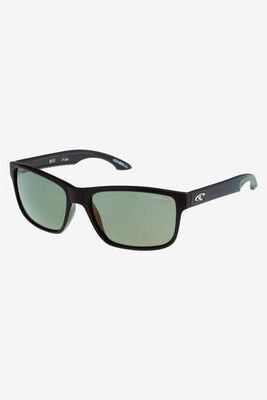
O'Neill 2.0 Sunglasses in Black GoldThe O'Neill Anso 2.0 men's polarized sunglasses deliver classic surf style with a confidently squared front shape that flatters every face. With bold color patterns and premium lens treatments, this versatile frame transitions effortlessly from...69,00 $*Shipping: 0,00 $Secure redirect to the provider
-
O'Neill 2.0 Sunglasses in CrystalChannel timeless surf cool with the O'Neill Cloudbreak 2.0 polarized sunglasses, featuring a classic round eye shape paired with a vintage keyhole bridge and sleek beveled streamlined temples. This unisex retro-inspired silhouette brings effortless...69,00 $*Shipping: 0,00 $Secure redirect to the provider
-
What did the anesthesiologist give me before the actual general anesthesia?
Before the actual general anesthesia, the anesthesiologist likely gave you a pre-anesthetic medication to help you relax and reduce anxiety. This medication may have been administered through an IV or as a pill. The purpose of this pre-anesthetic medication is to make the induction of general anesthesia smoother and to help you feel more comfortable before the procedure. It may also have some pain-relieving properties to help manage any discomfort during the transition to general anesthesia. **
-
Does the anesthesiologist regularly monitor the depth of anesthesia during the surgery?
Yes, the anesthesiologist regularly monitors the depth of anesthesia during surgery to ensure the patient remains at an appropriate level of unconsciousness. This is typically done using a combination of clinical assessment, monitoring of vital signs, and specialized equipment such as anesthetic gas analyzers and depth of anesthesia monitors. By closely monitoring the depth of anesthesia, the anesthesiologist can make adjustments to the anesthesia delivery to ensure the patient's safety and comfort throughout the procedure. **
-
How much does an anesthesiologist earn and how many hours does he work?
An anesthesiologist in the United States earns an average annual salary of around $270,000, according to the Bureau of Labor Statistics. Anesthesiologists typically work long and irregular hours, often exceeding 40 hours per week. They may be required to work nights, weekends, and holidays, and may also be on call for emergencies. The demanding nature of the job and the extensive education and training required contribute to the high salary and long hours of work for anesthesiologists. **
-
Should one rather turn to an anesthesiologist or an intensive care nurse in case of emergency?
In case of an emergency, it is generally recommended to turn to an anesthesiologist as they are specialized in administering anesthesia and managing pain during surgical procedures. An anesthesiologist is trained to handle critical situations and can provide immediate medical intervention if needed. However, an intensive care nurse also plays a crucial role in monitoring and caring for critically ill patients, so they can also provide valuable support in emergency situations. Ultimately, the decision may depend on the specific needs of the situation and the availability of medical professionals. **
* All prices are inclusive of VAT and, if applicable, plus shipping costs. The offer information is based on the details provided by the respective shop and is updated through automated processes. Real-time updates do not occur, so deviations can occur in individual cases. ** Note: Parts of this content were created by AI.