Buy palba.eu ?
We are moving the project
palba.eu .
Are you interested in purchasing the domain
palba.eu ?
domain@kv-gmbh.de · 0541-91531010
Buy palba.eu ?
What are similarity ratios?
Similarity ratios are ratios that compare the corresponding sides of two similar figures. They help us understand the relationship between the sides of similar shapes. The ratio of corresponding sides in similar figures is always the same, which means that if you know the ratio of one pair of sides, you can use it to find the ratio of other pairs of sides. Similarity ratios are important in geometry and are used to solve problems involving similar figures. **
What is the difference between similarity theorem 1 and similarity theorem 2?
Similarity theorem 1, also known as the Angle-Angle (AA) similarity theorem, states that if two angles of one triangle are congruent to two angles of another triangle, then the triangles are similar. On the other hand, similarity theorem 2, also known as the Side-Angle-Side (SAS) similarity theorem, states that if two sides of one triangle are proportional to two sides of another triangle and the included angles are congruent, then the triangles are similar. The main difference between the two theorems is the criteria for establishing similarity - AA theorem focuses on angle congruence, while SAS theorem focuses on both side proportionality and angle congruence. **


Similar search terms for Similarity
Top-Angebote
Products related to Similarity:
-
Uplift Treasures Adjustable UV Protection Dog Sunglasses Adjustable UV Protection Dog SunglassesProduct Description: Protect your pets eyes in style with these adjustable dog sunglasses designed for small and medium breeds. Featuring UV protection, a soft comfortable frame, and windproof design, these pet goggles are perfect for outdoor walks,...75,97 $*Shipping: 0,00 $Secure redirect to the provider
-
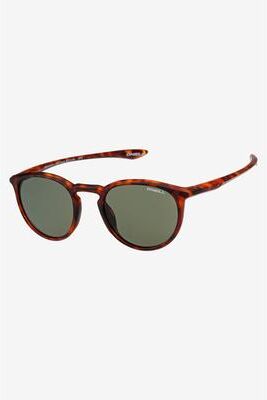
O'Neill 2.0 Sunglasses in TortoiseChannel timeless surf cool with the O'Neill Cloudbreak 2.0 polarized sunglasses, featuring a classic round eye shape paired with a vintage keyhole bridge and sleek beveled streamlined temples. This unisex retro-inspired silhouette brings effortless...69,00 $*Shipping: 0,00 $Secure redirect to the provider
-
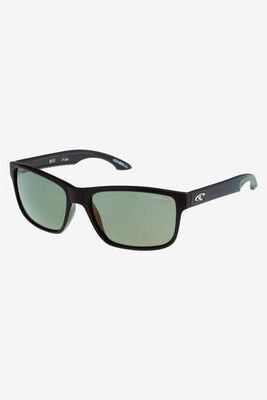
O'Neill 2.0 Sunglasses in Matte BlackEffortlessly cool, the O'Neill Coastline 2.0 men's polarized sunglasses feature a subtle square front with a vintage keyhole bridge that gives this frame a refined heritage edge. Versatile enough for everyday wear yet distinctive enough to make a...89,00 $*Shipping: 0,00 $Secure redirect to the provider
-
O'Neill 2.0 Sunglasses in Black GoldThe O'Neill Anso 2.0 men's polarized sunglasses deliver classic surf style with a confidently squared front shape that flatters every face. With bold color patterns and premium lens treatments, this versatile frame transitions effortlessly from...69,00 $*Shipping: 0,00 $Secure redirect to the provider


-
How can the similarity factor for determining the similarity of triangles be calculated?
The similarity factor for determining the similarity of triangles can be calculated by comparing the corresponding sides of the two triangles. If the ratio of the lengths of the corresponding sides of the two triangles is the same, then the triangles are similar. This ratio can be calculated by dividing the length of one side of a triangle by the length of the corresponding side of the other triangle. If all three ratios of corresponding sides are equal, then the triangles are similar. This is known as the similarity factor and is used to determine the similarity of triangles. **
-
How can one calculate the similarity factor to determine the similarity of triangles?
The similarity factor can be calculated by comparing the corresponding sides of two triangles. To do this, one can divide the length of one side of the first triangle by the length of the corresponding side of the second triangle. This process is repeated for all three pairs of corresponding sides. If the ratios of the corresponding sides are equal, then the triangles are similar, and the similarity factor will be 1. If the ratios are not equal, the similarity factor will be the ratio of the two triangles' areas. **
-
What is similarity in mathematics?
In mathematics, similarity refers to the relationship between two objects or shapes that have the same shape but are not necessarily the same size. This means that the objects are proportional to each other, with corresponding angles being equal and corresponding sides being in the same ratio. Similarity is often used in geometry to compare and analyze shapes, allowing for the transfer of properties and measurements from one shape to another. **
-
What is the similarity ratio?
The similarity ratio is a comparison of the corresponding sides of two similar figures. It is used to determine how the dimensions of one figure compare to the dimensions of another figure when they are similar. The ratio is calculated by dividing the length of a side of one figure by the length of the corresponding side of the other figure. This ratio remains constant for all pairs of corresponding sides in similar figures. **


Is there a similarity here?
Yes, there is a similarity here. Both situations involve individuals or groups facing challenges and obstacles, and needing to find creative solutions to overcome them. In both cases, there is a need for resilience, determination, and adaptability in order to succeed. Additionally, both situations highlight the importance of teamwork and collaboration in achieving a common goal. **
Is mirroring allowed in similarity?
Yes, mirroring is allowed in similarity. Mirroring is a technique used to create similarity by reflecting the actions, behaviors, or emotions of another person. It can help to establish rapport and build connections with others by showing that you understand and relate to their experiences. However, it is important to use mirroring in a genuine and respectful way, and to be mindful of the other person's comfort level and boundaries. **
Top-Angebote
Products related to Similarity:
-
Daily Deals Depot Cherry Crush Plunge Crop Top For Women Retro Summer Beachwear white xlExperience the playful confidence of early2000s fashion with a flattering Y2K crop top designed to turn heads wherever you go. This charming cherry print top combines sweet vintageinspired style with a daring plunge neckline for the perfect balance...39,97 $*Shipping: 0,00 $Secure redirect to the provider
-
Inspire Essentials ShadePaw UV Protection Dog Sunglasses ShadePaw UV Protection Dog SunglassesProtect your pets eyes while adding a stylish touch to every outdoor adventure. These dog sunglasses are designed to help shield your pets eyes from sunlight wind and dust during walks rides and outdoor activities. The lightweight soft frame and...34,98 $*Shipping: 0,00 $Secure redirect to the provider
-
Uplift Treasures Adjustable UV Protection Dog Sunglasses Adjustable UV Protection Dog SunglassesProduct Description: Protect your pets eyes in style with these adjustable dog sunglasses designed for small and medium breeds. Featuring UV protection, a soft comfortable frame, and windproof design, these pet goggles are perfect for outdoor walks,...75,97 $*Shipping: 0,00 $Secure redirect to the provider
-
O'Neill 2.0 Sunglasses in TortoiseChannel timeless surf cool with the O'Neill Cloudbreak 2.0 polarized sunglasses, featuring a classic round eye shape paired with a vintage keyhole bridge and sleek beveled streamlined temples. This unisex retro-inspired silhouette brings effortless...69,00 $*Shipping: 0,00 $Secure redirect to the provider
-
What are similarity ratios?
Similarity ratios are ratios that compare the corresponding sides of two similar figures. They help us understand the relationship between the sides of similar shapes. The ratio of corresponding sides in similar figures is always the same, which means that if you know the ratio of one pair of sides, you can use it to find the ratio of other pairs of sides. Similarity ratios are important in geometry and are used to solve problems involving similar figures. **
-
What is the difference between similarity theorem 1 and similarity theorem 2?
Similarity theorem 1, also known as the Angle-Angle (AA) similarity theorem, states that if two angles of one triangle are congruent to two angles of another triangle, then the triangles are similar. On the other hand, similarity theorem 2, also known as the Side-Angle-Side (SAS) similarity theorem, states that if two sides of one triangle are proportional to two sides of another triangle and the included angles are congruent, then the triangles are similar. The main difference between the two theorems is the criteria for establishing similarity - AA theorem focuses on angle congruence, while SAS theorem focuses on both side proportionality and angle congruence. **
-
How can the similarity factor for determining the similarity of triangles be calculated?
The similarity factor for determining the similarity of triangles can be calculated by comparing the corresponding sides of the two triangles. If the ratio of the lengths of the corresponding sides of the two triangles is the same, then the triangles are similar. This ratio can be calculated by dividing the length of one side of a triangle by the length of the corresponding side of the other triangle. If all three ratios of corresponding sides are equal, then the triangles are similar. This is known as the similarity factor and is used to determine the similarity of triangles. **
-
How can one calculate the similarity factor to determine the similarity of triangles?
The similarity factor can be calculated by comparing the corresponding sides of two triangles. To do this, one can divide the length of one side of the first triangle by the length of the corresponding side of the second triangle. This process is repeated for all three pairs of corresponding sides. If the ratios of the corresponding sides are equal, then the triangles are similar, and the similarity factor will be 1. If the ratios are not equal, the similarity factor will be the ratio of the two triangles' areas. **
Similar search terms for Similarity
-
O'Neill 2.0 Sunglasses in Matte BlackEffortlessly cool, the O'Neill Coastline 2.0 men's polarized sunglasses feature a subtle square front with a vintage keyhole bridge that gives this frame a refined heritage edge. Versatile enough for everyday wear yet distinctive enough to make a...89,00 $*Shipping: 0,00 $Secure redirect to the provider
-
O'Neill 2.0 Sunglasses in Black GoldThe O'Neill Anso 2.0 men's polarized sunglasses deliver classic surf style with a confidently squared front shape that flatters every face. With bold color patterns and premium lens treatments, this versatile frame transitions effortlessly from...69,00 $*Shipping: 0,00 $Secure redirect to the provider
-
O'Neill 2.0 Sunglasses in Blk SilverGet ultimate coverage with the O'Neill Sultans 2.0 men's polarized sunglasses, featuring sunset color fades, beach-inspired vibes, and a unique skull-fit design that makes them perfect for wear under helmets, hats, hoods, and other headgear. Whether...89,00 $*Shipping: 0,00 $Secure redirect to the provider
-
O'Neill 2.0 Sunglasses in CrystalChannel timeless surf cool with the O'Neill Cloudbreak 2.0 polarized sunglasses, featuring a classic round eye shape paired with a vintage keyhole bridge and sleek beveled streamlined temples. This unisex retro-inspired silhouette brings effortless...69,00 $*Shipping: 0,00 $Secure redirect to the provider
-
What is similarity in mathematics?
In mathematics, similarity refers to the relationship between two objects or shapes that have the same shape but are not necessarily the same size. This means that the objects are proportional to each other, with corresponding angles being equal and corresponding sides being in the same ratio. Similarity is often used in geometry to compare and analyze shapes, allowing for the transfer of properties and measurements from one shape to another. **
-
What is the similarity ratio?
The similarity ratio is a comparison of the corresponding sides of two similar figures. It is used to determine how the dimensions of one figure compare to the dimensions of another figure when they are similar. The ratio is calculated by dividing the length of a side of one figure by the length of the corresponding side of the other figure. This ratio remains constant for all pairs of corresponding sides in similar figures. **
-
Is there a similarity here?
Yes, there is a similarity here. Both situations involve individuals or groups facing challenges and obstacles, and needing to find creative solutions to overcome them. In both cases, there is a need for resilience, determination, and adaptability in order to succeed. Additionally, both situations highlight the importance of teamwork and collaboration in achieving a common goal. **
-
Is mirroring allowed in similarity?
Yes, mirroring is allowed in similarity. Mirroring is a technique used to create similarity by reflecting the actions, behaviors, or emotions of another person. It can help to establish rapport and build connections with others by showing that you understand and relate to their experiences. However, it is important to use mirroring in a genuine and respectful way, and to be mindful of the other person's comfort level and boundaries. **
* All prices are inclusive of VAT and, if applicable, plus shipping costs. The offer information is based on the details provided by the respective shop and is updated through automated processes. Real-time updates do not occur, so deviations can occur in individual cases. ** Note: Parts of this content were created by AI.