Buy palba.eu ?
We are moving the project
palba.eu .
Are you interested in purchasing the domain
palba.eu ?
domain@kv-gmbh.de · 0541-91531010
Buy palba.eu ?
What is the pattern of the second row of the same tile?
The pattern of the second row of the tile is a repetition of the first row, but shifted one position to the right. Each shape in the second row is the same as the shape directly above it in the first row. This creates a diagonal pattern from the top left to the bottom right of the tile. **
What are sandals with snake pattern?
Sandals with snake pattern are footwear that feature a design resembling the skin of a snake. This pattern can be achieved through various methods such as embossing, printing, or using actual snake skin. The snake pattern can add a stylish and exotic touch to the sandals, making them a popular choice for those looking for a unique and fashionable footwear option. **
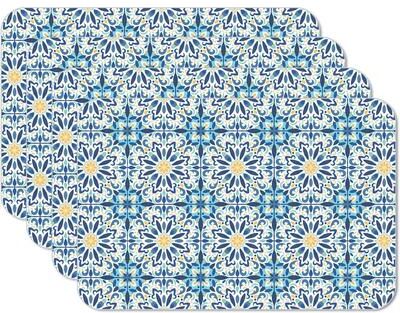
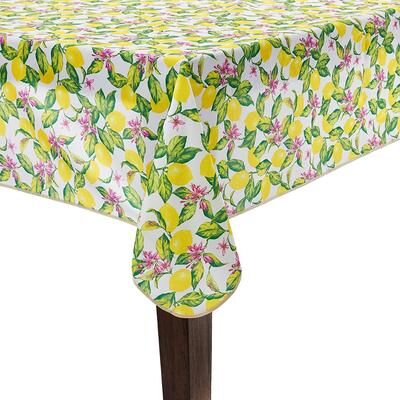
Similar search terms for CounterArt-Lemon-Tile-Pattern
Top-Angebote
Products related to CounterArt-Lemon-Tile-Pattern:
-
"CounterArt Cottage Tile 4mm Tempered Glass Lazy Susan Turntable 13"" Diameter Condiment Caddy Cake Plate Pizza Server"DURABLE CONSTRUCTION-Constructed of 4mm Tempered Glass. Includes a mechanism that allows for a smooth 360 Degree rotation. FEATURES-Lazy Susan Turntable features a slightly textured surface to keep items from slipping while in motion.34,99 $*Shipping: 0,00 $Secure redirect to the provider


-
What is better, tile paint or tile color?
The choice between tile paint and tile color depends on personal preference and the desired outcome. Tile paint is a quick and cost-effective way to update the look of tiles, but it may not be as durable or long-lasting as tile color. On the other hand, tile color involves replacing the tiles entirely, providing a more permanent solution with a wider range of color options. Ultimately, the decision between tile paint and tile color should be based on factors such as budget, time constraints, and the desired longevity of the update. **
-
Instead of lemon zest, lemon juice?
Using lemon juice instead of lemon zest will provide a different flavor profile to your dish. Lemon zest contains the essential oils from the lemon peel, which give a more concentrated and intense lemon flavor compared to lemon juice. If you choose to use lemon juice instead of zest, you may need to adjust the quantity to achieve the desired level of lemon flavor in your recipe. Additionally, lemon juice adds acidity to a dish, which may affect the overall balance of flavors. **
-
Who knows this crochet pattern or knitting pattern?
The person who knows the crochet pattern or knitting pattern would typically be the individual who created it or someone who has learned it through a tutorial, class, or pattern book. Additionally, experienced crocheters or knitters who have encountered the pattern before may also be familiar with it. Online crafting communities or forums can also be a helpful resource for finding individuals who know specific patterns. **
-
Is lemon extract the same as lemon juice?
No, lemon extract is not the same as lemon juice. Lemon extract is made by extracting the oils from the lemon peel, while lemon juice is the liquid extracted from the flesh of the lemon. Lemon extract has a more concentrated flavor and is often used in baking and cooking to add a strong lemon flavor, while lemon juice is commonly used in recipes for its tartness and acidity. **
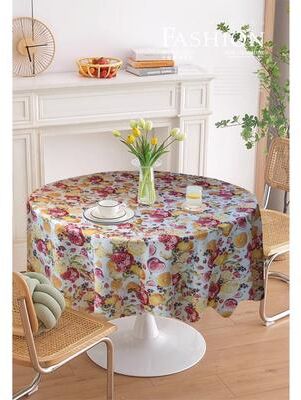
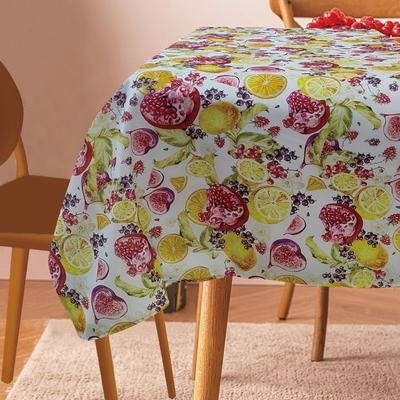
Are germinating lemon seeds inside the lemon toxic?
No, germinating lemon seeds inside the lemon are not toxic. In fact, the germinating seeds are a natural part of the lemon's life cycle and are not harmful to consume. However, the seeds may have a bitter taste, so it's best to remove them before eating the lemon. **
How thick is the tile adhesive after drying, including the tile?
The thickness of the tile adhesive after drying, including the tile, can vary depending on the type of adhesive used and the application method. Generally, the adhesive layer can range from 1/8 inch to 1/4 inch thick. It is important to follow the manufacturer's recommendations for the specific adhesive being used to ensure proper adhesion and long-term durability of the tile installation. **
Top-Angebote
Products related to CounterArt-Lemon-Tile-Pattern:
-
CounterArt Fresh Tile Pattern 4 Pack Reversible Easy Care Flexible Plastic Placemats Made in The USA BPA Free PVC Free Easily Wipes CleanFresh Tile Pattern 4 Pack Reversible Easy Care Flexible Plastic Placemats. Made in the USA in our Florida facility. Placemats are constructed of BPA and PVC Free flexible plastic.27,99 $*Shipping: 0,00 $Secure redirect to the provider
-
"CounterArt Cottage Tile 4mm Tempered Glass Lazy Susan Turntable 13"" Diameter Condiment Caddy Cake Plate Pizza Server"DURABLE CONSTRUCTION-Constructed of 4mm Tempered Glass. Includes a mechanism that allows for a smooth 360 Degree rotation. FEATURES-Lazy Susan Turntable features a slightly textured surface to keep items from slipping while in motion.34,99 $*Shipping: 0,00 $Secure redirect to the provider
-
What is the pattern of the second row of the same tile?
The pattern of the second row of the tile is a repetition of the first row, but shifted one position to the right. Each shape in the second row is the same as the shape directly above it in the first row. This creates a diagonal pattern from the top left to the bottom right of the tile. **
-
What are sandals with snake pattern?
Sandals with snake pattern are footwear that feature a design resembling the skin of a snake. This pattern can be achieved through various methods such as embossing, printing, or using actual snake skin. The snake pattern can add a stylish and exotic touch to the sandals, making them a popular choice for those looking for a unique and fashionable footwear option. **
-
What is better, tile paint or tile color?
The choice between tile paint and tile color depends on personal preference and the desired outcome. Tile paint is a quick and cost-effective way to update the look of tiles, but it may not be as durable or long-lasting as tile color. On the other hand, tile color involves replacing the tiles entirely, providing a more permanent solution with a wider range of color options. Ultimately, the decision between tile paint and tile color should be based on factors such as budget, time constraints, and the desired longevity of the update. **
-
Instead of lemon zest, lemon juice?
Using lemon juice instead of lemon zest will provide a different flavor profile to your dish. Lemon zest contains the essential oils from the lemon peel, which give a more concentrated and intense lemon flavor compared to lemon juice. If you choose to use lemon juice instead of zest, you may need to adjust the quantity to achieve the desired level of lemon flavor in your recipe. Additionally, lemon juice adds acidity to a dish, which may affect the overall balance of flavors. **
Similar search terms for CounterArt-Lemon-Tile-Pattern
-
Who knows this crochet pattern or knitting pattern?
The person who knows the crochet pattern or knitting pattern would typically be the individual who created it or someone who has learned it through a tutorial, class, or pattern book. Additionally, experienced crocheters or knitters who have encountered the pattern before may also be familiar with it. Online crafting communities or forums can also be a helpful resource for finding individuals who know specific patterns. **
-
Is lemon extract the same as lemon juice?
No, lemon extract is not the same as lemon juice. Lemon extract is made by extracting the oils from the lemon peel, while lemon juice is the liquid extracted from the flesh of the lemon. Lemon extract has a more concentrated flavor and is often used in baking and cooking to add a strong lemon flavor, while lemon juice is commonly used in recipes for its tartness and acidity. **
-
Are germinating lemon seeds inside the lemon toxic?
No, germinating lemon seeds inside the lemon are not toxic. In fact, the germinating seeds are a natural part of the lemon's life cycle and are not harmful to consume. However, the seeds may have a bitter taste, so it's best to remove them before eating the lemon. **
-
How thick is the tile adhesive after drying, including the tile?
The thickness of the tile adhesive after drying, including the tile, can vary depending on the type of adhesive used and the application method. Generally, the adhesive layer can range from 1/8 inch to 1/4 inch thick. It is important to follow the manufacturer's recommendations for the specific adhesive being used to ensure proper adhesion and long-term durability of the tile installation. **
* All prices are inclusive of VAT and, if applicable, plus shipping costs. The offer information is based on the details provided by the respective shop and is updated through automated processes. Real-time updates do not occur, so deviations can occur in individual cases. ** Note: Parts of this content were created by AI.